The Emerald Foundry
We build the system, run it, and write the policy from what it shows.
Engineering that carries a legislative argument
The position
Most policy is written a long way from the thing it regulates. A rule gets drafted, published, and handed to the people who have to live under it. They are the ones who find out what it costs, what it accidentally prohibits, and whether it could have been built in the first place.
We treat that as a problem of legitimacy, not efficiency. If you want to require something of an industry, you should have built the system that has to meet the requirement, and you should publish both so anyone can check the work.
So we build first. Every framework we publish arrives with a working version of the system it describes, and we say plainly what building it changed about the framework.
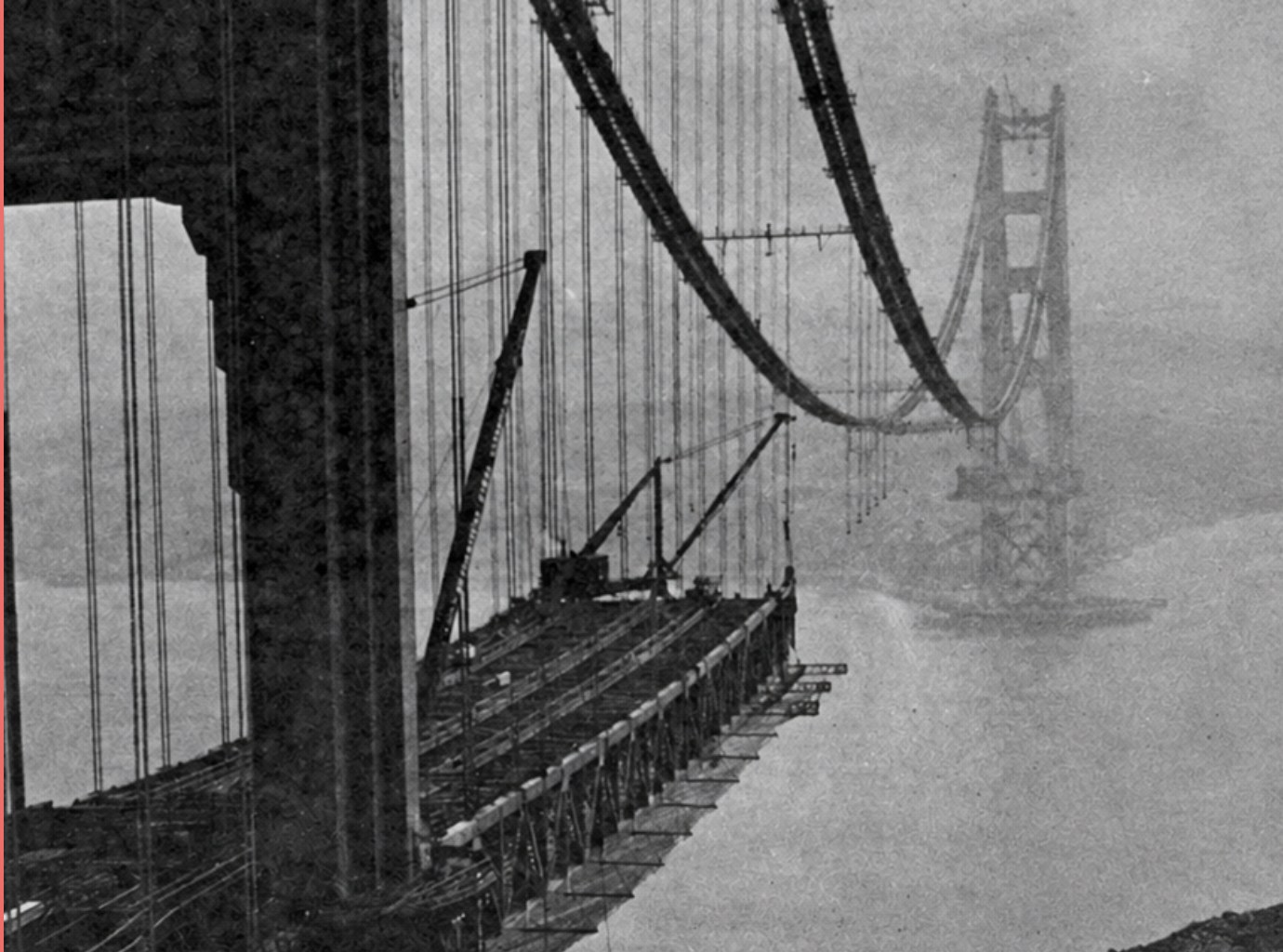
The programme
The Emerald Foundry
The Emerald Foundry builds engineering solutions and uses them to inform policy. Every project has three parts: a working system that exists physically, that system offered as a service to anyone who needs it, and a specific legislative proposal it supports.
Building first changes what we are able to say. When a committee asks what a rule would cost, or whether industry can actually meet it, we answer with figures from a system we operate rather than an estimate.
How a piece of work moves
04 stagesFind the failure
Start from the system itself rather than the existing rulebook. What does it do, to whom, and which parts carry the weight? Most policy inherits the last draft's assumptions, and this stage is where we throw those out.
Engineer it, physically
Build the system as it would have to exist under the rule we intend to propose. Not a prototype for a demonstration: hardware and software that run, in the world, under real conditions.
Run it as a service
Operate it, and make it available to whoever needs it. Running it produces real figures on cost, throughput and failure, and it puts a working model in the hands of the people who would have to comply.
Take it to legislators
Publish the framework with the operating record behind it, including the places where building the system forced the framework to change. That last part is what a paper on its own can never report.
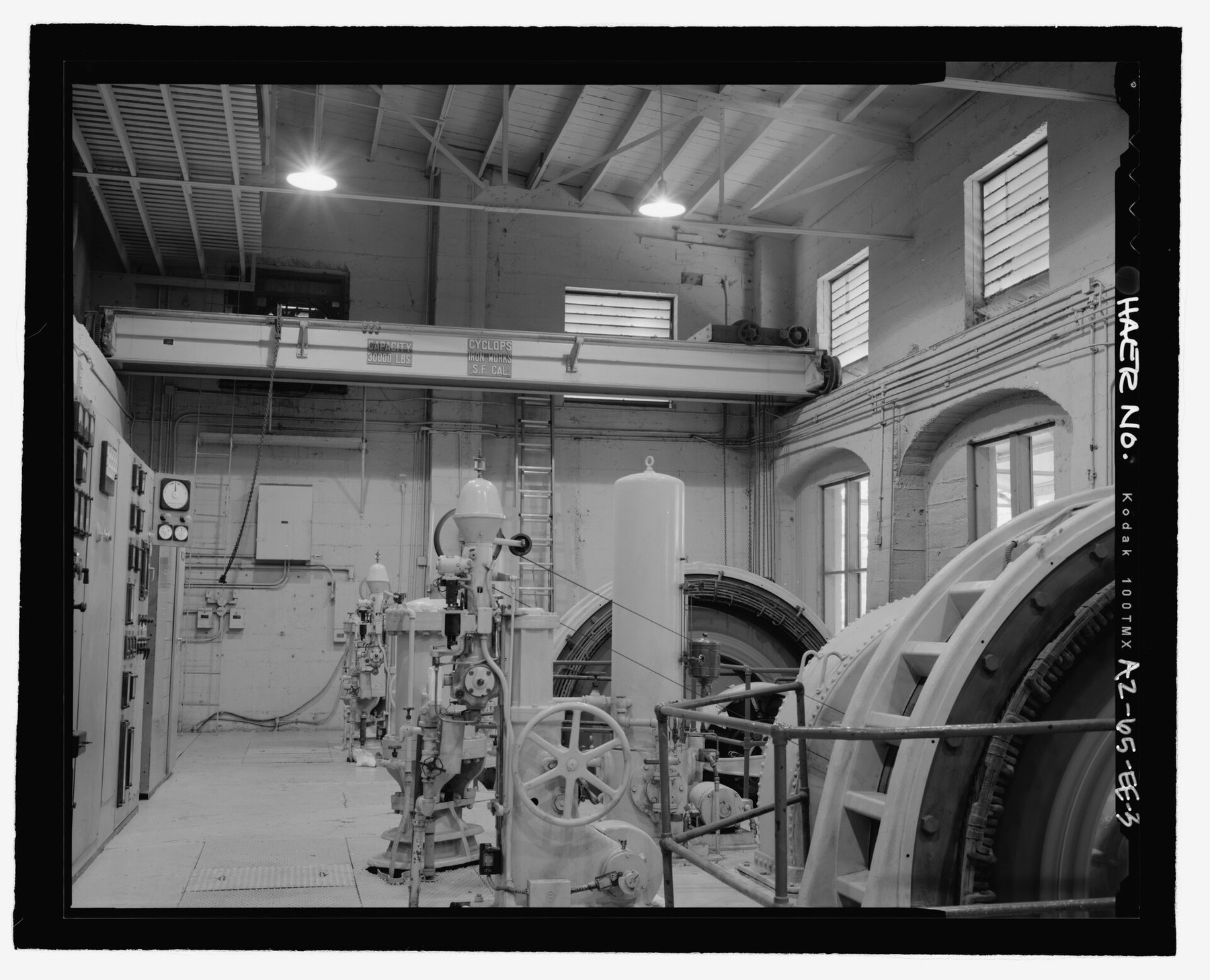
Where the Foundry works
05 areasEnergy & Industry
How can we make it cheaper and faster to build in the world of atoms?
Cryptocurrency & Future of Money
How can value move without asking permission, and still be safe to hold?
AI & Robotics
How can we get capable machines into the physical work nobody is left to do?
Innovation & Digital Economy
How can we stop good ideas dying between the laboratory and the market?
Safe AI and Regulation
How can a frontier system be made answerable before it fails rather than after?
We take on problems where the engineering and the regulation have to be worked out together. If that is what you are stuck on, put it in the subject line.