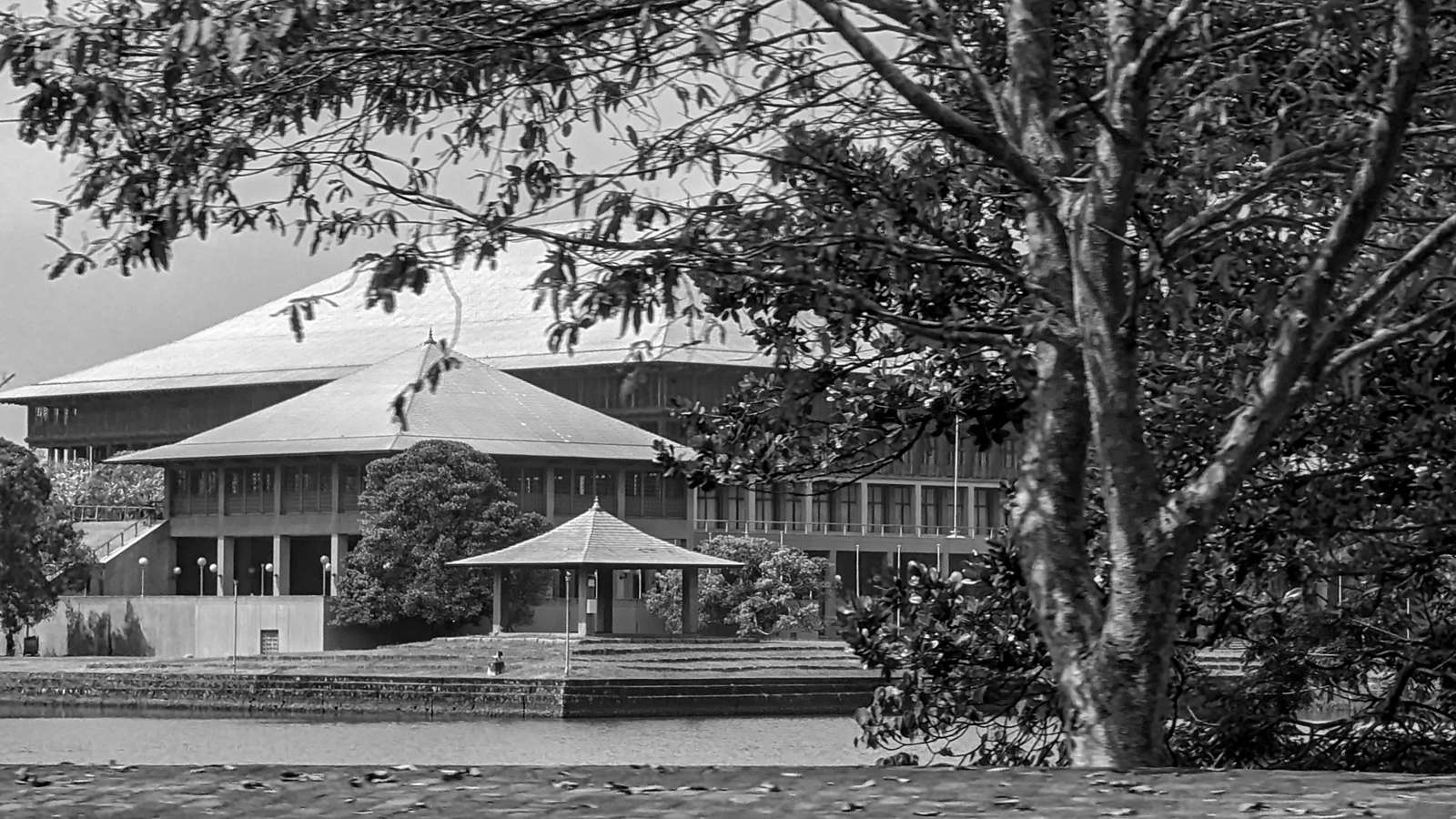
Sri Lankan women are becoming increasingly involved in politics, a positive sign for democracy in the country. Despite a majority female population, Sri Lanka has consistently had few opportunities for women in politics. The victory of Anura Kumara Dissanayake in Sri Lanka's 2022 presidential election marked the beginning of a more progressive political era in Sri Lanka, paving the way for increased female representation in parliament.
An Uphill Battle
Women in Sri Lanka have faced—and continue to face—barriers preventing their participation in politics.
Barriers, such as a lack of funding to run due to the prevailing wage gap, societal discrimination, and violence against women, have historically made involvement nearly impossible. Social perception of political jobs as masculine and the role of primary caretakers in the household as feminine discourages most women from running for office.
Sri Lanka was the first country to have a female prime minister and establish voting rights for women in 1931. Ironically, however, it has also been globally ranked among the lowest percentages of female representation in parliament.
To combat this, Sri Lanka embarked on a 20-year-long journey to create a 25% quota of seats reserved for women. Despite their efforts, this progressive policy did not achieve the change it had hoped to see, as Sri Lankan women continued to stray away from political involvement.
In light of rising concern for women’s rights issues, more attention has been directed to the Sri Lankan government's need for women in power. The civil war in Sri Lanka posed hardships for entire communities, but most pertinently, women—almost 90,000 wives were made widows, leaving them more prone to displacement, poverty, and sexual violence.
Violence against women is an issue that plagues women in Sri Lanka. The Women's Wellbeing 2019 survey revealed that “women in Sri Lanka are more than twice as likely to have experienced physical violence by a partner in their lifetime (17.4%) rather than by anybody else (7.2%).”
A lack of policy protecting women from gender-based violence led to a movement of Sri Lankan women wanting to make their voices heard on the legislative level.
Turn of the Tide
Despite the absence of female presidential candidates in the recent 2024 election being heavily criticized, each male candidate did promise to advocate for increased prioritization of women's rights.
The winning candidate, Dissanayake, promised to amend laws to address gender-based violence, provide social and psychological support to victims of violence, and alter law enforcement standards to better accommodate women. However, it is just as crucial that the other presidential candidates, Wickremesinghe and Premadasa, also planned initiatives regarding systematic gender change.
The NPP, a left-wing political alliance, nominated Amarasuriya as its candidate for prime minister. She is the first female prime minister to identify as a feminist and has made countless declarations of the goals she has for Sri Lanka and its women. Her victory for office is especially momentous as she was not elected due to family ties or nepotism. Another sign of change was the recent election of twenty-two women to parliament.
Not only has Sri Lanka seen growth in representation, but it has also taken direct action, as seen by the passing of the Women Empowerment Act, No. 37, in 2024. Amarasuriya launched the She Trades Sri Lanka Hub, an initiative that aims to establish 200 women-led cooperatives, increase opportunities for women entrepreneurs, and provide overall support to women in Sri Lanka's economy.
Similarly, during International Women's Day, Sri Lanka launched the installation Sama Theevu, a "glimpse into an island where everyone, regardless of gender, has equal rights and opportunities in all aspects of life." The exhibit also invited school students to visit and participate in workshops promoting interest in STEM.
Another gender equality initiative started in Sri Lanka is THRIVE (Together for Her: Resilience-building, Inclusivity, and Voices for Equality). Prime Minister Amarasuriya launched THRIVE as part of the UN Sustainable Development Cooperation Framework for Sri Lanka for 2023-2027.
These courses of action show positive signs for a new democratic future for Sri Lankan women. Amarasuriya addresses the progress Sri Lanka has made in her speech for International Women's Day: "Although the women's representation in parliament has been doubled, it remains at approximately 10%. A greater representation of women is essential in political spheres, decision-making, and leadership roles."
Continued Concerns
The introduction of the 25% quota is seen as a formative step for gender equality in parliament—however, there are concerns that the quota may not be correctly implemented.
The framework of the quota, specifically Section 65AA of the Local Authorities Elections Ordinance, allows for legal loopholes that can be exploited to avoid implementing equitable female representation.
There are multiple instances in which the quota does not have to be met—for example, parties that receive less than twenty percent of total votes in an authorized local area and receive less than three seats in the local body do not have to follow the quota.
For the Tamil minority in Sri Lanka, women's rights are even more of a concern. Tamil women must face intersectional oppression as they were especially victimized by the state during the civil war, which rarely serves them justice. This leaves them in an even more vulnerable state than other Sri Lankan women, making fair political representation that much more urgent.
Despite what women in Sri Lanka have already accomplished to move the goalpost, progress is not linear—there is still more work to be done. Empowering female candidates to run for presidency, properly implementing the quota, and tackling the financial and safety barriers that prevent participation are simply some starting steps the nation of Sri Lanka should consider in overcoming gender disparity in the race to office.