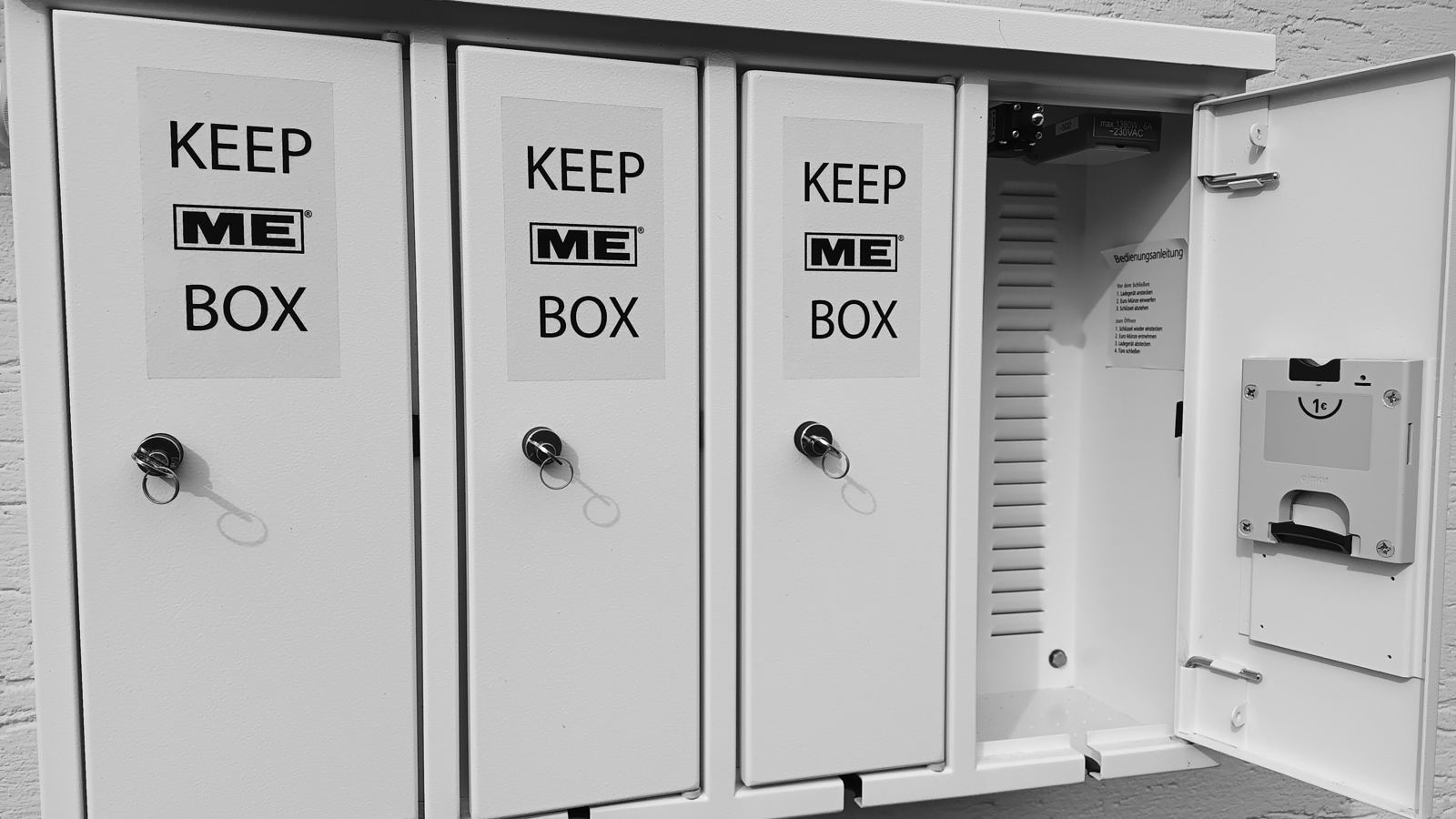
On June 24th, 2025, Stratford High School introduced a radical new phone policy for the 2025-2026 school year. The policy prohibits students from bringing their cell phones out during school time, from the first to the final bell. Each phone must be kept within student lockers or turned off and contained within sealed storage compartments that serve as locking mechanisms and only opened after the day. Exceptions are made only for medical treatment, emergencies, and instructional uses approved by an instructor. The goal is to create a learning, concentration, and interpersonal interaction-conducive environment.
Stratford's new policy did not just magically appear. Teachers and administrators over the past few years witnessed sharply elevated usage of phones by students during class hours following repeated attempts to limit it at the classroom level through light touch enforcement. Despite their efforts, students were scrolling screens in class, texting under desks, and tuning out academics and peer relationships.
In the spring of 2025, a parent, student, administrator, and faculty committee came together to more formally examine the issue. They reviewed school statistics on academic performance, surveyed teachers and students, and even shadowed students through classes, viewing use in real-time. The most alarming statistic, perhaps, was that over 60% of the students indicated that they used their phones once or more during each class period, typically for purposes other than classwork.
Based on its examination of national studies and existing models for schools, the committee proposed the blanket ban. The Stratford Board of Education passed it unanimously in May, attributing it to overwhelming evidence linking phone usage with decreased attention spans and lower academic engagement.
There is no federal mandate for phone use in American schools, with the choice left up to individual states and school districts. However, that is changing. In 2023, Florida became the first state to mandate keeping phones out of reach during class time in all public schools. Several other states, including Ohio, Utah, and Indiana, have since signed into law or introduced the same measure.
District policies vary widely at the district level. Some allow phones during lunch and recess; others have strict prohibitions with storage bags like Yondr. District policies in cities like Los Angeles and New York City discourage phones but have minimal enforcement at the school level. Stratford's policy is on the more restrictive side of policy, joining a larger set of schools seeking more drastic changes in the classroom culture.
The link between cell phone use and attention in class isn't anecdotal: it's proven. In 2020, one study at the London School of Economics reported that schools that banned mobile phones saw an enormous jump in test scores, with the largest increases for students who were previously performing at a lower level. Other research shows that simply having a phone, turned off but visible, reduces working memory and mental capacity.
Phones are engineered to capture attention: notifications, social media algorithms, and games discharge dopamine bursts that make it difficult for users (especially teenagers) to let go. In a classroom setting, that means instruction lost, surface-level instruction, and diminished participation. Stratford teachers have long complained that phones are fracturing student attention and diminishing classroom culture.
Stratford is not the sole school to increase regulations. Throughout the nation, many cell phone policies have been implemented as a reaction to the same issue.
Yondr pouches are used in numerous schools, including San Mateo, California and Dayton, Ohio. The systems restrict phone use physically during the school day but allow students to have their devices on their person. The method has proven effective in reducing off-task behavior and increasing student engagement. Some districts have designated phone-free "red zones" in libraries and classrooms but allow phones in hallways or cafeterias. More flexible, but harder to enforce. Alternative high-tech schools encourage positive phone use by integrating phones into instruction. These models rely heavily on teacher discretion and strong digital citizenship programs, which can be variable in their effectiveness.
By contrast with these alternatives, Stratford's approach is more standardized and restrictive, aimed at eliminating confusion and imposing consistency in classroom practices.
How effectively it's enforced and whether or not the school provides substantive screen-free alternatives will ultimately decide the success of Stratford's ban. The school is already investing in park space, lounges for students, and screen-free activities at lunch and recess to provide students with healthy outlets for relaxation. Teachers are also being trained in more active, interactive pedagogies to keep their students engaged.
The administration has emphasized that the policy is not an issue of punishment but of possibility: creating a school culture where students are more present, more engaged, and more connected. There will perhaps be initial resistance, as change never comes easily. But if Stratford can persist and assist students through the transition, the school could become a model for those traveling down the same path.
As Principal Lewis explained at the school's June board meeting: "This isn't about phones. It's
about taking back the classroom as a place for learning, imagination, and connection."
Stratford's policy is a significant step in that direction, and its ripple effects will be watched closely by educators well outside its borders.