The Pandemic Changed How We Work, But Is It Here to Stay?
More than four years after the COVID-19 pandemic forced millions of Americans to work from home, the U.S. labor market is still adjusting to what the "new normal" really means. While the shift to remote work was once seen as temporary, it's now clear that it's become a permanent part of the employment landscape. But even as many workers continue logging in from home, a growing number of companies are pushing for a return to the office. So, is the future of U.S. labor online, in person, or somewhere in between?
The answer, unsurprisingly, is complicated, and heavily dependent on the industry, geography, and company culture.
Remote Work: Flexibility with Trade-offs
Remote work, once a perk reserved for a few tech or freelance jobs, became the default for millions during the pandemic. According to a 2023 Pew Research report, around 35% of U.S. workers in jobs that can be done remotely work at home very regularly, if not all the time. Workers consistently cite greater flexibility, improved work-life balance, and time saved from commuting as major benefits.
For employers, remote work can also cut costs. Businesses can downsize their office space, reduce overhead, and even tap into a wider talent pool by hiring across different states or time zones.
One benefit that is often overlooked is the positive environmental impact. With fewer people commuting by car every day, remote work has helped reduce emissions and alleviate traffic congestion, especially in urban areas. While it's true that working from home increases residential energy use and digital activity, the drop in transportation-related pollution still makes remote work a net win for the environment in most cases.
But it is not all upside. One of the biggest challenges with remote work is collaboration. While tools like Zoom and Slack help bridge the distance, they cannot fully replace the spontaneous conversations or idea-sharing that happens in person. There are also concerns about productivity, isolation, and company culture, especially for new employees entering the workforce for the first time.
Additionally, not all jobs can be done remotely. Many roles in healthcare, manufacturing, retail, and food service remain fully in person, which has created a divide between "remote-eligible" workers and those who don't have that option.
The Push to Return to the Office
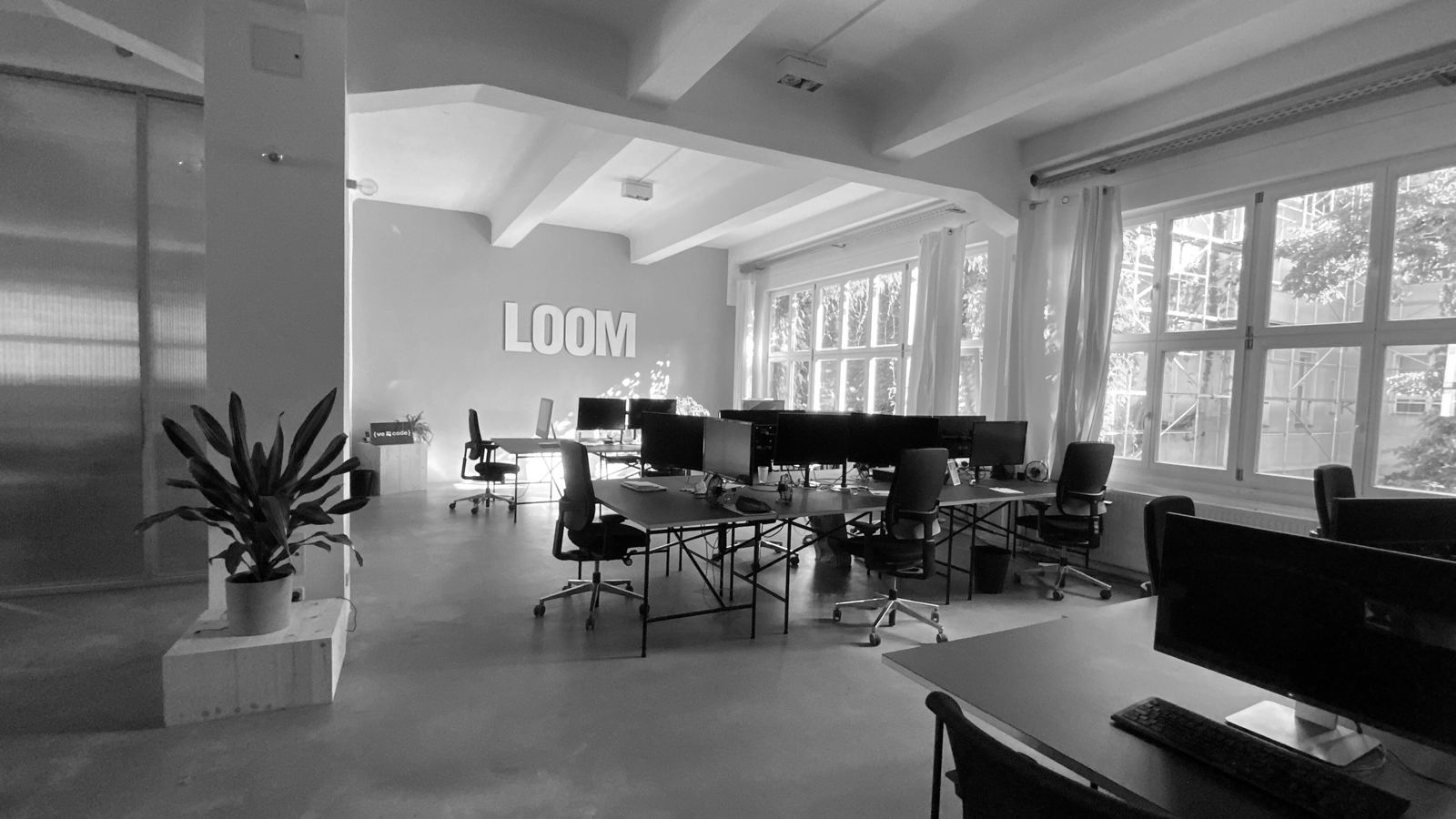
Over the past year, major corporations like Amazon, Google, and Goldman Sachs have increased their return-to-office requirements, citing reasons like productivity, mentorship, and innovation. Some companies now require workers to be in the office three to five days a week, while others are experimenting with hybrid models, a middle ground between full-time remote and in-person work.
Supporters of in-person work argue that physical offices help foster stronger team bonds, improve communication, and make it easier for managers to support and evaluate employees. Many also believe that junior employees, in particular, benefit from the structure and learning that comes from being physically present with colleagues.
On the other hand, critics see some return-to-office mandates as less about productivity and more about reasserting managerial control. They argue that the pandemic proved remote work can be effective and that flexibility should remain a core part of the modern workplace.
A Workforce Divided
The broader reality is that the labor market is now deeply segmented. Highly skilled, white-collar professionals are more likely to have hybrid or remote options, while lower-wage or frontline workers are not. This divide could worsen existing inequalities, especially in terms of job satisfaction, mobility, and even health outcomes.
There are also generational differences: Younger workers often want in-person opportunities for networking and growth, while mid-career professionals may prefer remote options that give them more control over their schedules.
The Road Ahead
Where U.S. labor goes next will depend on many factors: economic shifts, technological change, labor organizing, and evolving social norms. But one thing is clear: the post-COVID work landscape is no longer one size fits all.
For many, hybrid work may become the new standard. It offers the flexibility of remote work with the connection of office life. But to make it work, companies will need to rethink how they support employees, measure success, and build culture across both physical and digital spaces.