Advancements in artificial intelligence are growing – AI systems that can analyze large documents, diagnose medical conditions, and generate thoughtful marketing campaigns are becoming extremely popular among the public. Tools like ChatGPT, Gemini, and AI coding assistants are being adopted by businesses– not just to support workers, but to replace them in many cases.
AI is now a daily reality in offices, factories, and homes, but as AI becomes more accessible and powerful, many pressing questions arise: Which jobs are safe, which are at risk, and how will we prepare for the disruption ahead?
Cognitive vs. Non-Cognitive?
Non-cognitive tasks are repetitive, predictable work that follow a set procedure. Some examples could include financial data collection, proof-reading, or customer service. These types of jobs can easily be automated by basic artificial intelligence with a simple algorithm and therefore, have the most risk of being replaced by AI. In fact, 30% of companies have replaced workers with AI tools such as ChatGPT.
On the other hand, cognitive tasks are specific, mental tasks that require creativity, problem-solving, and emotional intelligence. Some examples could include teaching children, providing therapy, or writing a novel. These types of tasks are more variable and are more difficult for AI to replace.
Blue-Collar vs. White-Collar Disruption?
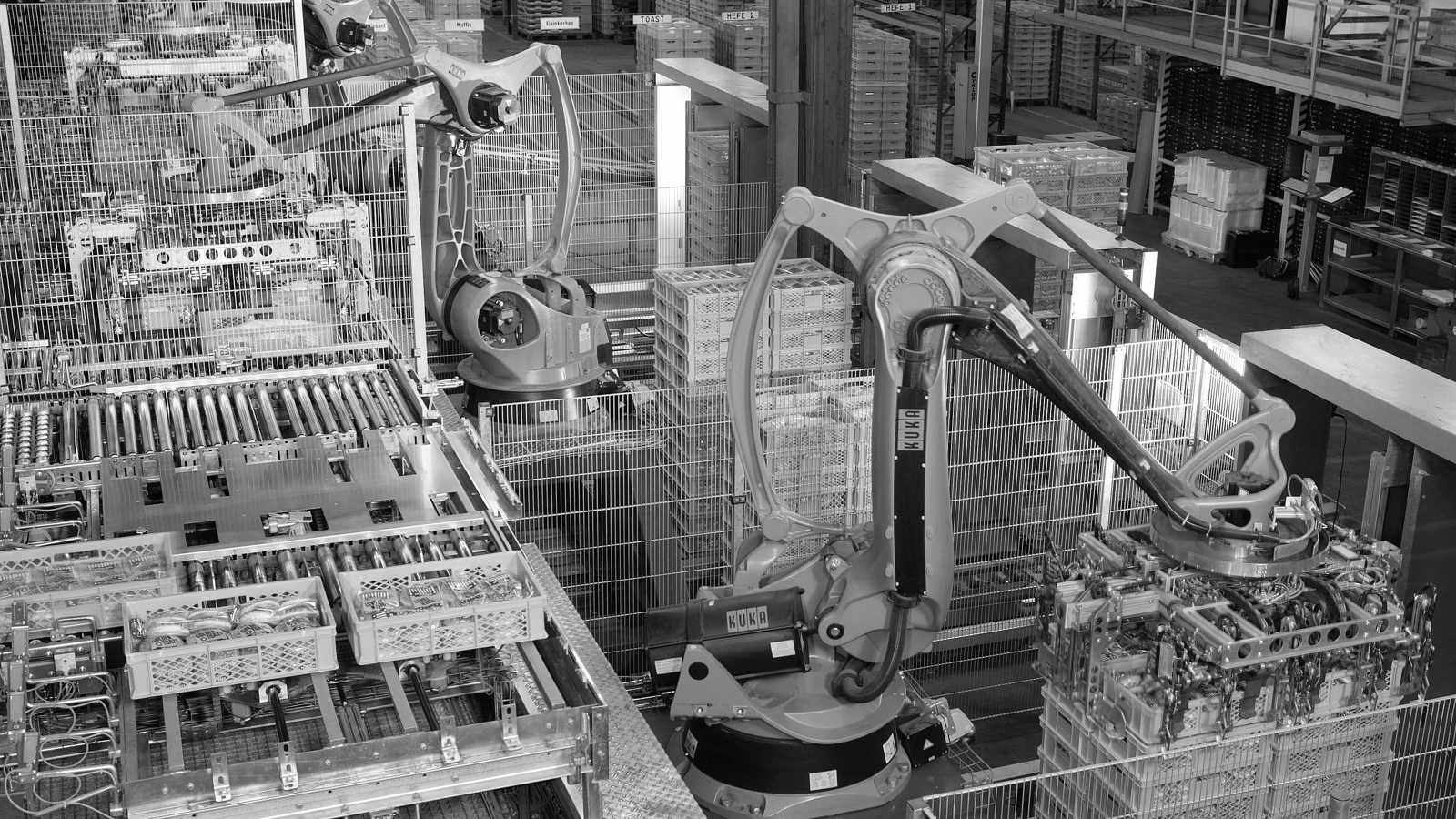
White-collar jobs are professional, office-based jobs that require the completion of cognitive tasks unlike blue-collar jobs, which require non-cognitive tasks. Previously, AI automation was only affecting blue-collar jobs – factory workers, warehouse staff, and others that perform manual labor, however, the current wave of AI is also replacing white-collar jobs.
Unlike previous misconceptions about AI automation that only repetitive blue-collar jobs would be affected, because of the rise of generative AI and LLMs, certain white-collar jobs are now also being replaced. Legal research can be performed using an AI tool that scans thousands of cases, summarizes arguments, and drafts memos faster than junior associates. Report writing and analysis, especially in finance, are being automated to predict forecasts and generate summaries from raw data. Content creation such as articles and social media posts can be produced by ChatGPT, completely eliminating the need for entry-level marketers or writers. Software development is also rapidly changing; AI coding assistants such as Loveable or Cursor AI can now rapidly generate code, creating an advanced framework for developers, making junior programmer roles increasingly automatable.
In contrast, some jobs remain static to AI automation due to their unique human requirements such as physical adaptability where examples of jobs could include plumbers, electricians, or mechanics. Occupations that rely on emotional intelligence such as therapists, counselors, nurses, and teachers, are also extremely resilient to automation due to their human connection. AI also struggles with ethical reasoning and therefore, roles rooted in judgement and human accountability like review boards or negotiators, remain stable.
In summary, jobs that handle tasks such as data entry, online customer support, warehouse support, and record keeping, are at the highest risk of being replaced by AI. Jobs with a medium risk of being replaced by AI would include jobs such as junior legal assistants, graphic designers, and paralegals while jobs such as nurses, teachers, and therapists, are the least vulnerable to be replaced by AI.
Socioeconomic Impacts?
The rise of AI automation only exacerbates the existing inequalities that lie in the different income and education groups, particularly, workers in low-paying and low-skilled environments. Cashiers, warehouse staff, and call center agents are often the first to be displaced since these are routine jobs, jobs that require predictable, repetitive tasks that AI can easily replicate. Without proper safety nets, these displaced workers will struggle to re-enter the labor market, leading to long-term unemployment and possible poverty.
By contrast, many higher-income, higher-skilled jobs will thrive due to the incredible boost in productivity that AI can potentially bring to their workflow. In finance, software development, or marketing, workers can focus on the higher-value aspects of their jobs while letting the AI focus on the tedious parts of their jobs. Since these workers are more skilled, they are also easily able to adapt to new changes in their workflow, giving them an advantage as their industries evolve.
Communities that rely heavily on industrial or low-service jobs could be economically devastated while technological hubs could thrive and grow even more wealthier. This imbalance mirrors what happened during the early stages of globalization and the offshoring of manufacturing, just faster and more widespread.
What can we do to our Workforce Policies?
AI systems evolve overnight and the government must have the right workforce policies to support our evolving labor market and avoid deepening inequality. To help workers adapt to the growing economy, actions like reskilling and upskilling are essential. This could involve partnerships with employers and educational institutions to align skills with job demand, online learning platforms, or short-term training programs. Companies such as Microsoft and Amazon already offer internal reskilling programs, however, broad public support is crucial for widespread adoption. Additionally, a safety net for workers would be in their best interest – UBI, direct cash payments to citizens, could be provided in a world where stable jobs are not open for everyone.
Significant educational reform would also be in the government’s best interest to future-proof the workforce where AI is a constant. This could involve teaching AI fluency and digital literacy from an early age, incorporating critical thinking and creativity into student’s daily workflows.
The future of labor will not only be defined by advancements in technology, but how we respond to it. With the proper knowledge and policies, we can ensure that innovation empowers workers rather than replacing them.