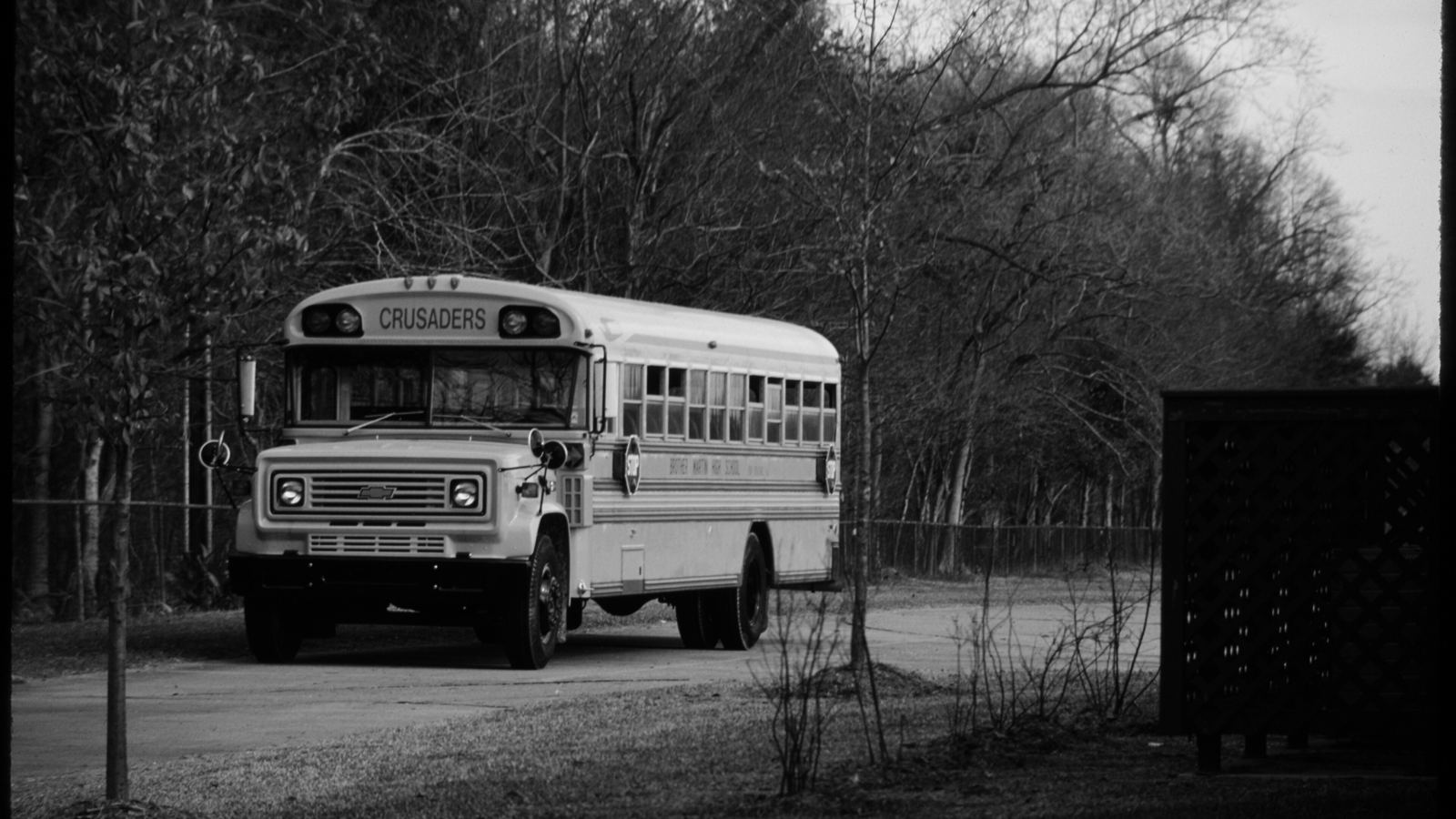
The first day of school is typically one of celebration—hallways buzzing with reunions, classrooms filled with new supplies, and teachers welcoming students back with open arms. But for many immigrant families in 2025, that excitement has been replaced with dread. Instead of cheerful “welcome back” posters, some schools now display “Know Your Rights” flyers and banners declaring “This is a safe space”—urgent reassurances in the face of heightened immigration enforcement.
As the Trump administration intensifies its push for mass deportations, schools have become frontlines of fear. Parents are keeping children home, students carry the weight of possible separation, and educators scramble to shield their classrooms from the looming shadow of ICE.
How Fear is Affecting Communities
Fear of such raids sparks widespread panic, particularly in neighborhoods where immigrants comprise a vital part of the community’s diversity. For instance, California has been heavily targeted for ICE raids. Unlike many states, it has no ethnic majority and is home to the largest immigrant population in the U.S., with over 10 million foreign-born residents—helping explain the recent spike in immigration raids.. In fact, by June 1, the number of ICE detentions in California had already reached over 51,000, the highest number since 2019.
Given that schools in California are beginning a brand new school year and that California remains the state with the largest population of unauthorized immigrants as well, there are significant ramifications on school attendance and other aspects of life as a result of raids. In California, there are an estimated 1.8 million individuals residing without legal authorization, according to the Pew Research Center. This means that communities like Los Angeles have immigrants hiding out of fear of one day being discovered.
This fear once only existed in large public spaces, where people could easily be spotted and detained by ICE. However, in early 2025, these fears began evolving as the federal government rescinded the long-standing policy that treated schools, hospitals, and churches as “sensitive locations” off-limits to enforcement. With this decision, such safe havens became further areas of danger, sparking further fear among immigrant families.
As a result, attendance has dropped in numerous school districts as students and parents became increasingly anxious about ICE's presence near schools. Even those students brave enough to stay in school were still fearful. Educators and staff reported noticeable psychological distress among their students due to these raids.
For instance, Roy, a second-grade public school teacher, who has noticed this shift, said, "Our attendance was pretty bad across the city (Chicago). There was like 50 to 80 percent attendance.".
Roy’s school, in Illinois, was another area where illegal immigration was high. In fact, as of January 2025, there were approximately 425,000 undocumented immigrants residing in the state of Illinois.
Aside from decreases in overall school attendance, teachers and students have experienced severe mental health issues from such raids. With fear that entire families might get separated and deported, some educators have recounted their students personally expressing their fears.
Roy’s students are no exception. The day after President Trump’s inauguration, one of Roy’s 7-year-old students from Honduras told the class, " Trump won. You know what that means? If you're from Venezuela, you're going back to Venezuela. If you're from Honduras, you're going to go back to Honduras."
While the student’s words may have once seemed exaggerated, they now ring painfully true. In the first 100 days of President Trump’s administration, ICE made 66,463 arrests.
Across the nation, hundreds of thousands of people fear for their safety, keep their children home from school, and endure profound mental health challenges—all because of the constant threat of being discovered.
Real Incidents Amplify the Crisis
Stories in the local and national news only intensify the fear and anxiety many families are experiencing.
In Los Angeles, for instance, a 15-year-old disabled student was mistakenly detained by Border Patrol near a school, despite law enforcement previously indicating that it would be limited to individuals with criminal records.
In New Haven, Connecticut, an unaccompanied minor student was detained in the middle of his workday, during an ICE action.
How the Community is Fighting Back
As immigrants make up a large part of communities, contributing to the unique diversity of the United States, many communities have quickly responded with policies aimed at shielding students from ICE interventions.
For instance, in New York City, ICE's access to school grounds or records without a judicial warrant was barred. Meanwhile, in Los Angeles, “safe zones,” altered bus routes, and distributed family preparedness materials were prepared in case any raids occurred. They also deployed staff to high-risk areas and connected families with support resources.
Meanwhile, some school districts are taking direct legal action, declaring such action by the Trump Administration unjust. Denver Public Schools initiated a federal lawsuit, arguing it depletes educational resources and harms attendance—especially in districts heavily impacted by immigration enforcement.
Across the country, school districts are taking training on legal rights, learning to “Know Your Rights”. With this, educators and administrators can help guide under FERPA (Family Educational Rights and Privacy Act) to preserve student privacy from ICE immigration use. States like Michigan and California have explicitly issued formal memos reminding educators that all students have a right to education and that FERPA restricts sharing student information.
From 24/7 mental health hotlines and organized rapid response networks to monitor ICE activity and alert communities to “Know Your Rights” workshops, advocates and school districts are emphasizing community-based support.
Schools, once symbols of safety, now carry the shadow of deportation. Teachers hand out “Know Your Rights” flyers alongside textbooks, and children learn fear before math. Yet parents, educators, and advocates continue to fight back—reminding us that classrooms belong to students, not federal agents.