Unionization Against the Odds on the Strip
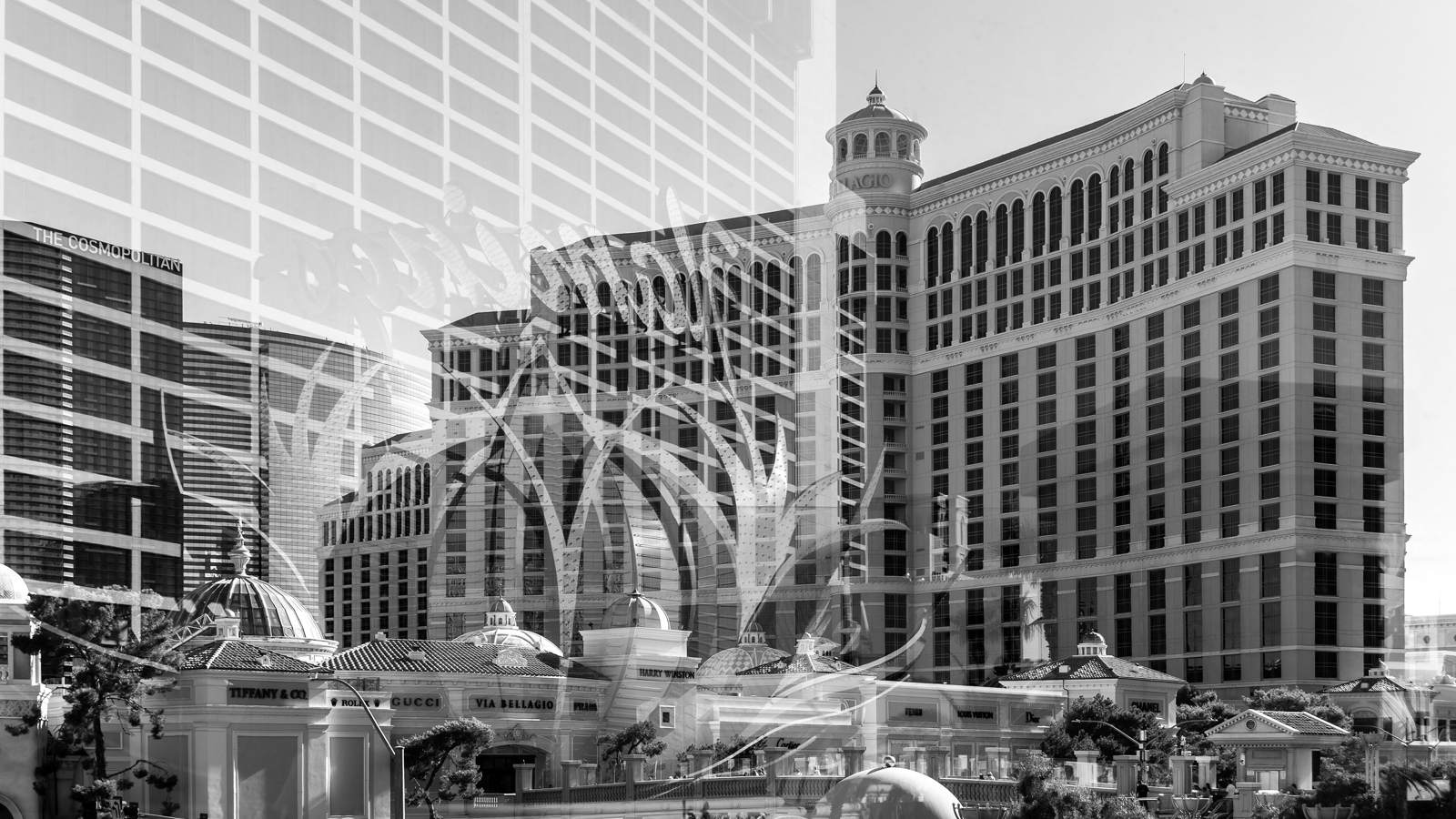
Since Fontainebleau Las Vegas signed a new Culinary and Bartenders Union agreement in early 2025, nearly 3,300 employees became members, and all casino resorts along the Strip were unionized for the first time in 90 years, a development with implications for other movements nationwide.
This event was particularly striking given the fact that Nevada is a right-to-work state, meaning that unions must continually re-gain voluntary membership and funds. Attaining high union density within this legal context suggests that bargaining power was derived from strategic organizing efforts rather than de jure legislative changes. The Culinary Local 226 specifically relied on concentrated employer networks, time, visibility, and centralized infrastructure.
Factors that Make it Replicable
Culinary employed a top-down bargaining approach by beginning with the Strip’s largest operations—MGM, Caesars, and Wynn. Through this, it created a framework that set baseline terms for future negotiations. Having secured the“big three”, those terms later became the model for independent properties, such as The Strat and Fontainebleau, and ancillary venues such as airport concessions. This strategy allowed Culinary and potentially other future unions to create a de facto standard smaller operations must comply with or risk labor disputes.
Timing, in addition, allowed the union to maximize its bargaining position. Negotiations and strike deadlines fell on high-profile national and international events, including the Formula 1 Grand Prix and Super Bowl. The union, for instance, set strike deadlines with 21 properties just one week from the 2024 Super Bowl. Strikes and slowdowns at such critical moments would have incurred direct and immediate monetary and reputational costs and thus allowed the union to turn these fixed-date events into a bargaining chip.
When it comes to other industries, a similar approach can be taken. For delivery drivers, deadlines can be scheduled during the holiday gifting rush. For public transit workers, unions can align negotiations with periods of high ridership, such as the start of a new school year or a major city-wide event. The principle is to exert pressure at points where employers are most susceptible to a disruption.
The Strip is, without question, one of the nation’s most high profile sites. Union activity there is immediately observable by tourists, the press, and other workers. Coverage of strikes and negotiations spread lessons widely, illustrating collective action can lead to concrete gains. Similarly, publicity has helped other labor movements in the recent past. As a result of disagreements over uniforms, videos of striking Starbucks employees were posted throughout social media, demonstrating visibility can be created and does not necessarily have to be pre-existing.
Aside from visibility, the unionization of the Strip is demonstrative of the importance of a coordinated infrastructure. Culinary Local 226 had long invested in training, organizing, and member engagement, creating a workforce that could mobilize quickly and maintain pressure throughout long negotiations. Other movements can emulate this principle by creating pipelines for worker education, development, and organizing networks, ensuring that momentum from small-scale victories spreads and endures.
Challenges to Other Movements
Replicating Las Vegas’s model in other places and sectors is far from simple. Unlike in Las Vegas, the majority of industries operate with highly fragmented or impermanent workforces, so organizing at-scale is difficult, if not impossible. Gig-economy or retail workers enjoy little common scheduling and workplaces as hospitality staff do, complicating outreach, coordination, and collective action. Building trust and maintaining participation in such a context is difficult, especially for emergent labor movements.
Economic pressures provide yet another challenge. Industries with thin profit margins or steep competition may resist unionizing aggressively, invoking the threat of automation, outsourcing, or reductions in hours as a response to collective bargaining. Ironically, businesses, in retail and warehouses for example, have the most to lose from such threats but stand to gain the most from unionization.
Such fears work further against unionization when workers’ doubts are high. In industries where there is a minimal union presence, employees will be inclined to question whether collective organizing will yield meaningful benefits or if they may face retaliation from their employers. Overcoming this issue requires unions to demonstrate early successes and improved working conditions for its existing members, especially in right-to-work states, where union membership cannot be compelled.
Finally, public visibility and opinion are vital but unevenly distributed among industries. The Strip’s prominence made this aspect easy for Culinary but, in less visible industries, the same cannot be said. While there have been some recent victories, such as the aforementioned Starbucks walkouts, whether a customer service agent walkout would reach as much prominence on Instagram as a company that many visit every morning is in doubt.
Political and Electoral Impacts
The record changes in the labor landscape in Las Vegas and potentially elsewhere raises the possibility of a new labor movement that may not only emerge on the shop floor but also on the Hill and on ballots nationwide.
Union density translates to more cohesive voting blocs, louder voices for pro-labor policies, and greater leverage in mainstream debates over minimum wage or technological displacement protections, which are becoming increasingly relevant. The industrial unions of the 1930s, in part, laid the groundwork for the New Deal; the hospitality unions in Las Vegas and beyond can propel broader legislative agendas today.
From Entertainment to Empowerment
Should future movements prosper, Sin City may come to symbolize more than entertainment and excess. Rather, it may, instead, mark a resurgence of American organized labor not seen for decades. As the neon lights illuminate the city, they may also cast a new glow on the future of work, begging the question: how much farther can organized labor go?