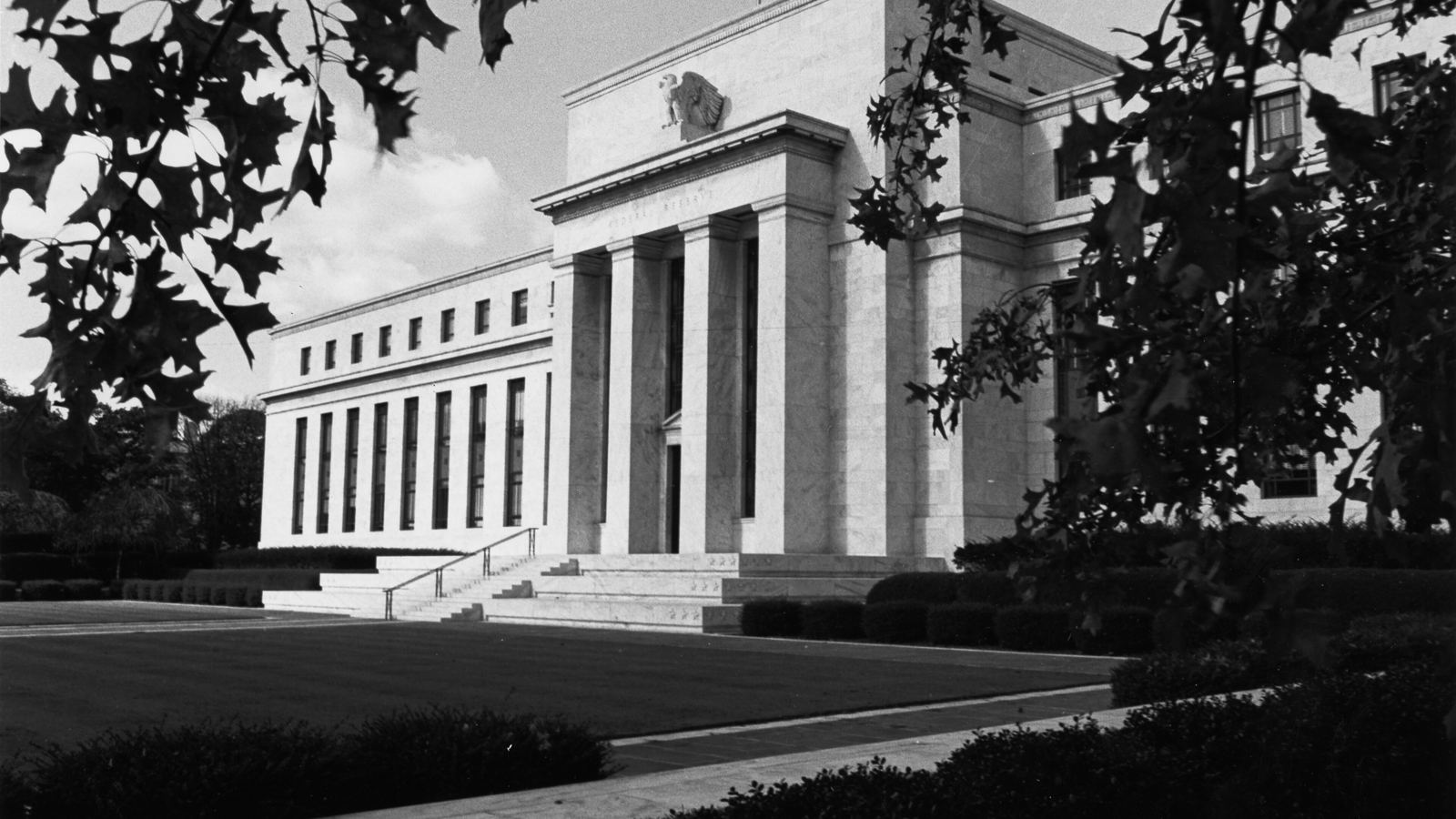
At September 4th’s U.S. Senate Banking Committee hearing, the White House’s pick for the open seat on the Federal Reserve Board, Stephen Miran, pledged to preserve the central bank’s independence despite his current role as a chief economic advisor to the President. As tensions continue between the Fed and the Trump Administration, this latest confirmation of Miran’s position could have serious implications for the makeup and direction of Fed policy and actions for years to come.
Context
In the past months, U.S. President Donald Trump has continuously attempted to influence monetary policy with the intention of driving more interest rate cuts throughout the year to offset some of his tariff impacts. From attacks on Fed Chair Jerome Powell to the attempted firing of Governor Lisa Cook to conflicts over Fed renovation budget overruns, the situation of the Federal Reserve’s independence has been a key worry for many economists and investors worldwide. Though most Republicans accepted nominee Miran’s unpaid leave from advisory as sufficient separation for Fed duties, many Democrats and other organizations have voiced deep skepticism, with concerns of a more politicized Fed and more government-influenced policy decisions going forward.
In the past, U.S. government administrations have tested the Fed’s jurisdiction and powers. Prior to the 1972 election for example, President Nixon pushed then Fed Chair Arthur Burns to lower rates in an attempt to boost his standings with businesses. However, the subsequent inflation underscores the reasoning why such interventions are generally undesirable, with central bank and monetary policy independence remaining vital to act as a balance for government-led fiscal policy.
Economic Implications
Though the Federal Reserve’s independence may not necessarily be undermined by Miran’s appointment, a Fed board that is overly aligned with a certain political party does have the potential of leading to serious economic implications.
For example, economic markets domestically and internationally depend on the independence of fiscal and monetary policy to maintain a comfortable investment environment. Without independence and appropriate checks and balances in place, investor confidence in U.S. monetary policy could erode, leading to higher volatility, and a devaluing of American assets.
Investor confidence could also be undermined in general due to the appointment of an already politically-aligned candidate. Some Democrat candidates including Senators Warren and Reed have viewed the action as potentially damaging to the political norms around central banking for years to come as it may set a new precedent for more partisan board appointees and the creation of a known imbalance in central banking decision making.
It is important to keep in mind however that Miran’s term is slated to end early next year. Thus, though his vote could have the potential to sway policy meetings throughout the rest of this year, it may not lead to lasting policy imbalances if such a style of appointment remains a one-off event.
Finally, it should be noted that the Federal Reserve typically implements a “make-up” strategy which may allow presently swayed decisions may be somewhat negated by more moderate decisions in the future. However, this strategy was recently not included in the latest Jackson Hole Economic Policy Symposium update by Chair Powell, potentially implicating further government tampering in regards to policy rate decisions.
Conclusion
In summary, though Trump’s latest nominee for the Federal Reserve Board of Governors vowed to preserve the central bank’s independence, many parties still remain skeptical as nominee Miran still retains ties to the White House and likely holds prior convictions on many economic matters. As a result, concerns still exist over Trump’s efforts to influence rates. Miran’s actions and Trump’s approach to the coming months will remain vital in determining whether the Fed will stay independent, and any future interactions between the two parties should be carefully monitored for hints towards the political shift of the Fed.