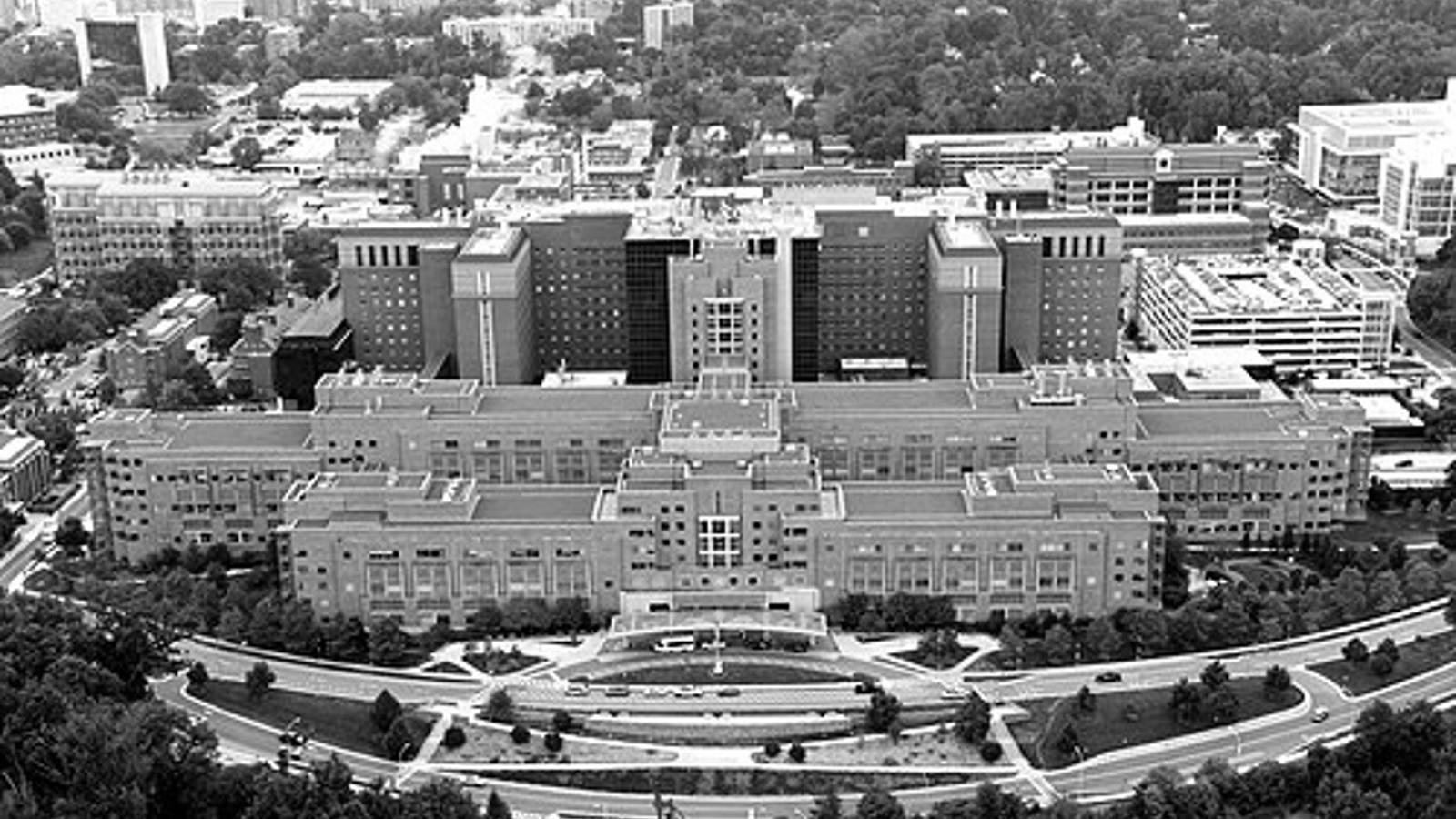
In a 5-4 ruling, the Supreme Court denied immediate relief for researchers and universities, allowing the Trump administration to cut nearly $800 million in National Institutes of Health grants tied to diversity, equity, and inclusion.
The Court held that challenges to funding cancellations cannot be brought in district courts but, rather, must be brought in the Court of Federal Claims, a much more specialized forum that typically handles contract disputes. In forcing such a venue, the High Court greatly narrowed legal pathways due, simply, to numbers. There are 94 district courts and only one Court of Federal Claims, which can only hear so many cases.
It, however, did not endorse the administration’s criteria for terminating grants—a methodology that has already been found unlawful by lower courts.
For a funding system that distributes nearly $40 billion annually and serves as the backbone of American medical research, the ruling raises questions about not only administrative law but academic freedom more broadly.
Academic Freedom in a Constitutional Gray Zone
At the heart of the dispute is the question of whether academic freedom enjoys robust constitutional standing. Universities and academics alike have long defended the principle as necessary to scholarship, while courts have provided inconsistent protections.
In a 1957 case, Sweezy v. New Hampshire, the Court notably recognized “the dependence of a free society on free universities.” In contrast, a judge in the Southern District of New York held, just months ago, that Columbia University faculty did not have standing to litigate the Trump administration’s $400 million budget cut. Neither the High Court nor any lower court has firmly established academic freedom as an independent constitutional right.
This recent ruling only further amplifies the ambiguity. By funneling all claims into the Court of Federal Claims, the High Court reduced researchers' ability to make constitutional claims such as free speech or due process. The paradox is striking: while the ruling acknowledges that funding disputes touch on legal rights, it simultaneously denies scientists a straightforward venue to defend them.
For researchers whose projects are defunded because they intersect with politically sensitive topics, such as climate change and reproductive health, the practical message is that meaningful recourse is limited.
Risks to Research
The most immediate danger is to the peer-review process. The NIH and other agencies rely on experts to evaluate the quality and impact of proposals. However, if agencies become more concerned with defending their decision in court, scientific merit may be forced to take a back seat.
The decision also creates procedural risks. By diverting disputes to the Court of Federal Claims, the ruling ensures that challenges will become slower, more technical, and less accessible. Researchers may hesitate to pursue claims at all, particularly early-career academics who lack institutional backing. The chilling effect could discourage innovative or controversial work precisely when it is most needed.
At a time when federal university funding has been slashed, the higher costs institutions face as they support faculty in grant disputes and litigations may divert resources from supporting students and other critical operations. This dynamic also risks deepening inequality in the research ecosystem: well-funded, prestigious universities may manage, while smaller, less-advantaged universities could be left vulnerable.
More broadly, the ruling threatens to exacerbate the politicization of research. The NIH has been repeatedly drawn into political battles whether it be with COVID-19 or stem cell research in the early 2000s. By restricting legal remedies, the Court may inadvertently embolden the current and future administrations to use grants and research as a political tool.
Silver Linings and the Path Forward
Despite the many risks, the ruling could produce some constructive outcomes. Particularly, it could encourage greater transparency. When faced with the prospect of legal scrutiny, institutions and agencies become more compelled to articulate clearer reasoning for fiscal decisions. This transparency could improve accountability to the public that funds a great deal of scientific research through tax dollars. Over time, this clarity could reduce public skepticism and strengthen trust in scientific institutions.
The High Court’s ruling has made it clear that individual faculty members are limited in their ability to litigate funding decisions. However, this limitation may actually encourage institutions to adopt broader internal mechanisms such as contingency funds or legal support structures.
Additionally, the ruling can serve as a catalyst for political reforms. The legal constraints imposed reveal gaps in the statutory and regulatory framework. As a result, lawmakers may feel increased pressure to codify protections for researchers.
Finally, if federal funds become unpredictable, universities, foundations, and private philanthropists may develop new models for supporting high-risk research. Public-private partnerships, endowment-backed fellowships, or universities pooling resources are all possibilities in a future with highly politicized research funding.
Grants, Courts, and the Future of Research
The Supreme Court’s ruling on NIH grant cancellations highlight the complex interactions between the law, federal oversight, and scientific research. There is a steady balance needed for all three to coexist efficiently. It is quite evident that that equilibrium has been disrupted, raising broader questions for all stakeholders: scientists, lawmakers, and, most importantly, citizens.