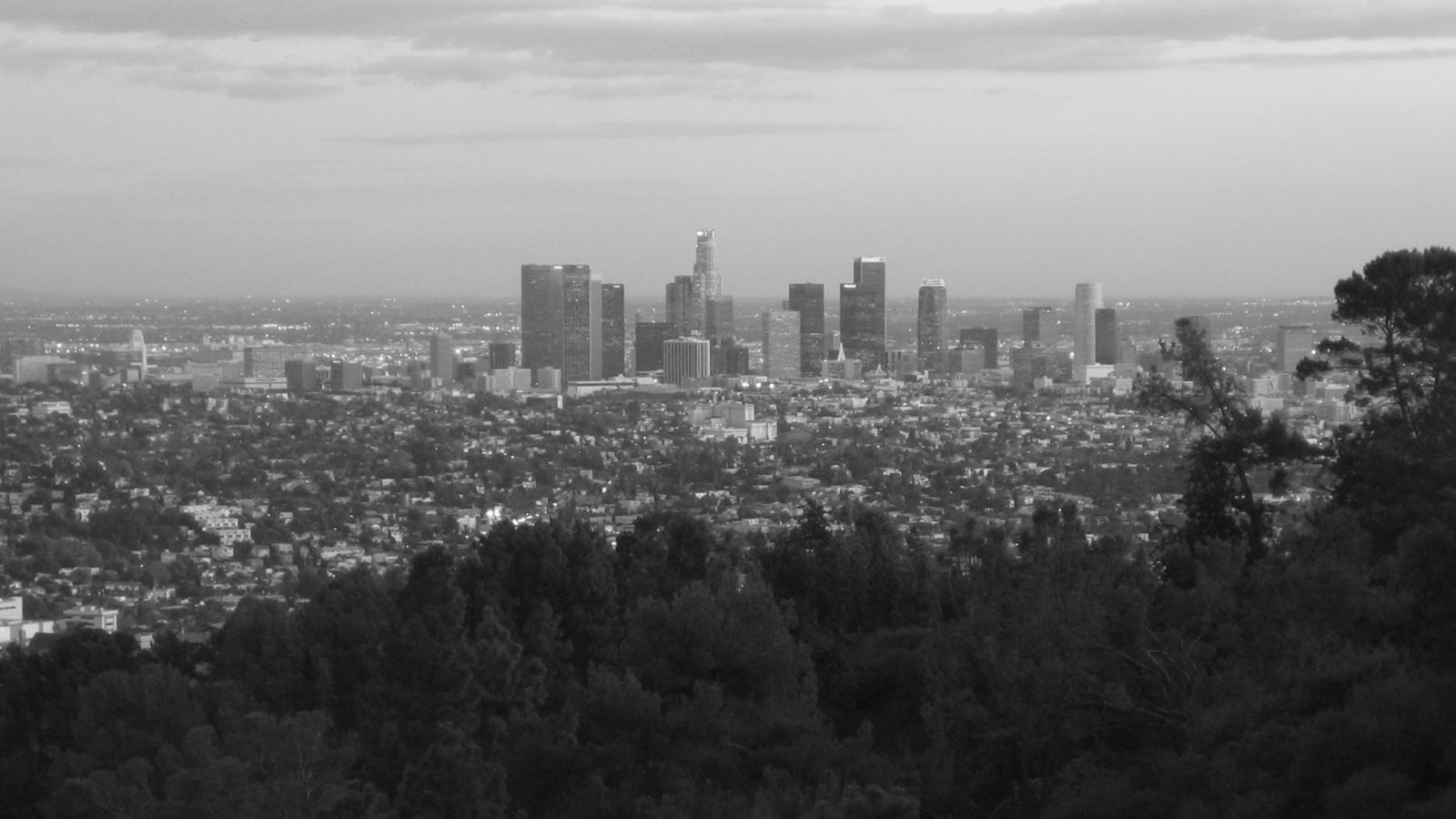
In a stark display of domestic unrest and federal overreach, Los Angeles, California, erupted in mass protests in June 2025 after a wave of aggressive Immigration and Customs Enforcement (ICE) raids swept through immigrant-heavy neighborhoods. The protests culminated in the unprecedented deployment of military forces by President Donald Trump without California’s consent. What began as a peaceful outcry against discriminatory enforcement rapidly escalated into one of the most militarized free speech crackdowns on U.S. soil in decades, exposing deep fissures in American democracy, federal-state relations and the nation’s global credibility.
In June 2025, Los Angeles became the epicenter of mass demonstrations following a series of aggressive and legally contested ICE raids that led to the arrest of 44 undocumented individuals in locations ranging from warehouses to retail parking lots. The raids, widely perceived as excessive and discriminatory, sparked immediate outrage, particularly within immigrant and Latino communities, who viewed the actions as a targeted assault on their cultural and demographic presence. Initially peaceful, the Los Angeles protests escalated in both scale and intensity, especially in neighborhoods such as Paramount and Compton, where Latino populations comprise approximately 73% and 81%, respectively. For protestors, these demonstrations were an attempt to reform the pre-existing, racist notions about immigrants and their rights.
Rather than engaging in dialogue with local leaders or addressing the root causes of the unrest, Trump took the extraordinary and controversial step of federalizing the California National Guard without the consent of Gavin Newsom, California’s governor. Over the following days, approximately 2,000 National Guard troops and 700 active duty Marines from Camp Pendleton were deployed throughout Los Angeles, marking one of the largest domestic military mobilizations in California in over fifty years.
Democracy at a Crossroads
The immediate consequences were felt most acutely by already-vulnerable communities. Residents awoke to the sight of military vehicles, armed soldiers and low-flying surveillance helicopters in their neighborhoods, evoking memories of past crackdowns and racialized state violence. In 1992 within Boyle Heights, residents awoke to the sight of a US Marine Corps helicopter hovering above their rooftops, a stark reminder of the federal force now patrolling their skies. The riots became a generational wound, symbolizing not just rage of racial injustice, but profound distrust in governmental entities. The psychological toll was profound, particularly for undocumented individuals and mixed-status families already traumatized by ICE operations, which have escalated since Trump returned to office in January.
Peaceful protestors, journalists and bystanders were indiscriminately subjected to police kettling, tear gas and mass detentions. For many Angelenos, the state’s response resembled not a restoration of order, but a punitive crackdown intended to suppress dissent. Trump’s militarized posture severely damaged the fragile social contract between the United States government and its constituents, reinforcing generational mistrust in law enforcement and federal authority.
Looking ahead, the Los Angeles crackdown will be a pivotal moment in the deepening rift between marginalized communities and the governmental institutions meant to serve them. The deployment of military force against civilian protestors risks degrading long-term political engagement, particularly among marginalized immigrant groups who are often excluded from democratic processes, hindering efforts to achieve accurate representation of Latino communities in policymaking.
More broadly, the normalization of military intervention in response to civil unrest sets a dangerous precedent, one that threatens to redefine the role of law enforcement and erode public trust in America’s democratic institutions. If such practices go unchecked, future reforms, whether in policing, emergency response or community relations, may be undermined by a pervasive sense of institutional hostility. The enduring legacy of this crackdown may be a more fragmented, fearful and unstable civil society.
Even after the protests subside, the long-term damage to democratic norms remains substantial. The unilateral federalization of the National Guard without consent poses a serious constitutional challenge, undermining the foundational principle of state sovereignty. Governor Newsom, along with other state officials, condemned the move as a blatant violation of federalism and a gross abuse of executive power. Legal scholars across the political spectrum warned that such actions, particularly in an election year, could establish a troubling precedent wherein military force is used for political advantage. Once sacrosanct norms surrounding civil-military relations have been destabilized, raising urgent questions about the possibility of future domestic deployments being weaponized against civilian populations. As lawsuits, legislative inquiries and public debates unfold, the tension between federal authority and state autonomy has only intensified, posing a structural threat to the democratic equilibrium envisioned by the Constitution.
The Economic Toll of Militarization
Economically, the implications are equally distressing. Trump’s military deployment is projected to cost approximately $134 million over a 60-day period, with the financial burden absorbed by federal defense allocations. Simultaneously, minority and immigrant-owned small businesses across areas such as Downtown L.A., Boyle Heights and South Central have suffered from prolonged curfews, obstructed transit routes and declining foot traffic. Many of these businesses, having barely survived the economic shocks of the pandemic and inflation, now face a renewed wave of instability.
Beyond the immediate economic damage, there is growing concern over long term disinvestment in already underfunded neighborhoods that struggle with inadequate public education, limited access to healthcare and chronic job scarcity. Redirecting public resources toward militarized enforcement, rather than addressing the structural roots of unrest, poverty, housing insecurity and racial inequality, only exacerbates these enduring challenges. At the heart of it all is the erosion of constitutional checks and balances: the federal government's unilateral actions circumvented established legal norms and state authority, reflecting a broader shift toward executive normalizations and the troubling acceptance of military force in civilian governance.
Fallout at Home and Abroad
The international ramifications further compound the crisis. Even in the past, Germany’s Foreign Ministry echoed similar concerns, urging the U.S. to uphold human rights and constitutional protections. These critiques were amplified by global human rights organizations, including Amnesty International, which have launched investigations into the L.A. crackdown and are compiling evidence for potential international accountability measures.
Meanwhile, authoritarian regimes in China and Russia capitalized on the imagery of U.S. troops confronting unarmed protestors to deflect criticism of their own civil rights abuses, portraying American foreign policy as hypocritical. This deterioration of international credibility not only weakens the United States’ moral authority but also severely undermines its ability to advocate for democratic values and civil liberties on the global stage.
Politically, the decision to deploy the military has further polarized the nation. While Trump’s core supporters celebrated the response as a demonstration of strength, national polling indicates that 44% of Americans opposed the use of military force on domestic soil. Legal scholars and civil rights leaders alike condemned the action as unconstitutional and politically motivated. Rather than quelling unrest, the administration’s response has inflamed divisions, leaving cities like Los Angeles to manage the long-term fallout without substantive federal aid or reconciliation efforts.
Ultimately, the most enduring harm may not be the violence or the economic toll, but the precedent established that force, rather than dialogue, is the default governmental response to civic resistance. This approach alienates protestors, traumatizes communities, undermines democratic governance, destabilizes local economies, and isolates the United States on the global stage. What began as a call for justice has evolved into a profound national reckoning over the balance between security and freedom. Without genuine accountability, institutional reform and an unequivocal recommitment to human rights, the legacy of June 2025 will not be one of restored order, but of democratic erosion. It is the American people who will carry the burden of that legacy for generations to come.