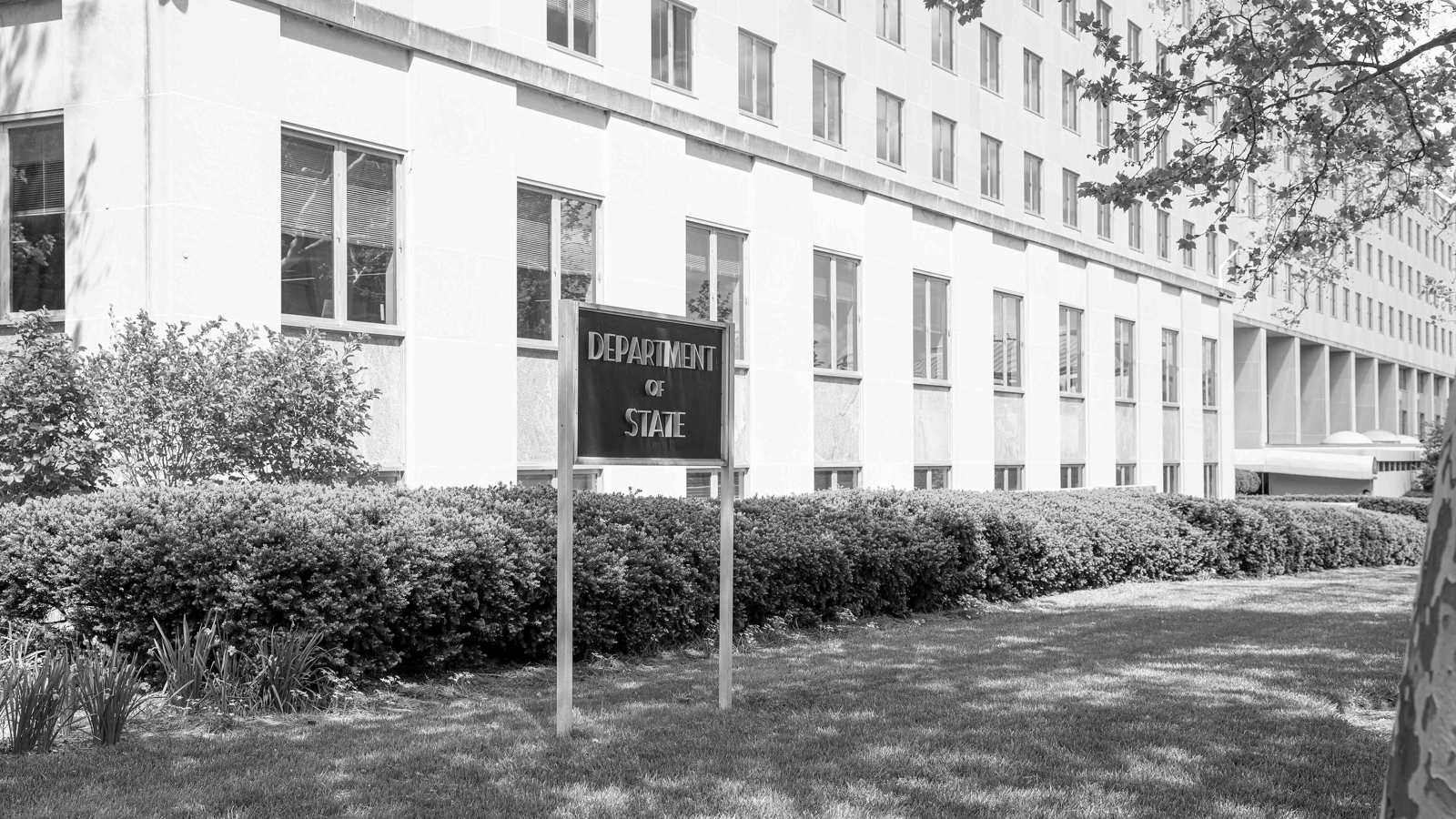
On August 12th, 2025, the US State Department released its 2024 Country Reports on Human Rights Practices after significant delays and structural changes in drafting. This revision omitted sections on LGBTQ+ rights and reproductive rights, signalling a shift in department priority. The report characterized South Africa’s human rights environment as having worsened and raised concerns about the new Expropriation Act. They note apparent failures by authorities to investigate abuses regarding extrajudicial killings with white Afrikaners—a South African ethnic group who arrived in Cape Town during the 17th century. South Africa’s government rejected the report, stating it was deeply flawed and accusing its creators of relying on discredited sources. In fact, they emphasized that the Land Expropriation Act had been praised by the United Nations as a responsible, rights based legislative measure. This action represents a politicization of human rights reporting and compromised relations through perceived bias.
Findings Strain International Relations and Alliances
The State Department’s report has aggravated an already fragile United States-South Africa diplomatic relationship. Washington framed the report as evidence of systemic discrimination, while Pretoria—administrative capital of South Africa—called it “propaganda” grounded in selective, motivated evidence. This clash fuels a larger geopolitical realignment, whereSouth Africa has drawn closer to BRICS partners like China and Russia. These nations have consistently called out Western double standards on human rights. The dispute could also hold ripple effects on trade deals like the African Growth and Opportunity Act, since human rights concerns can be leveraged to condition access to United States markets. For South Africa, the political message is about sovereignty and resistance to United States pressure. On the other hand, it bolsters Trump’s administration’s domestic narrative of protecting persecuted minorities abroad, especially white Afrikaners.
Report Deepens Political Divides Internally within South Africa
The report’s release has exposed various divisions inside South Africa. There has been a wave of responses from various organizations regarding the importance and past injustice that impacted this report. The ANC-led government rejected the report outright, casting it as United States interference in sovereign land reform policy. The Democratic Alliance urged South Africa to engage diplomatically and avoid economic fallout, reflecting its more market-oriented outlook. The Economic Freedom Fighters labeled the report as “imperialist propaganda”, utilizing it to strengthen their nationalist message that Western powers oppose redistribution and decolonization. Legally, this internal fragmentation complicates South Africa’s ability to mount a united defense in international forums. It hands radical factions like the Economic Freedom Fighters rhetorical ammunition to rally supporters. As a result, it fuels internal political polarization, weakening South Africa’s ability to respond with a coherent legal or diplomatic strategy in a global context, and giving nationalists new momentum to frame Western criticism as neo-imperialist opposition to transformation.
Implications for Asylum Protections and Global Standards
The report's focus on Afrikaners as victims of discrimination has direct consequences for refugee law. In February of 2025, Trump signed an executive order prioritizing Afrikaners for United States resettlement, citing the precarious human rights situation. Normally, refugee claims must demonstrate persecution based on race or religion. However, by elevating Afrikaners as a persecuted minority, the US risks creating a precedent of selective prioritization that could delegitimize refugee protections for other vulnerable groups. Critics argue this opens the door to politicized asylum determinations, undermining the principle of universality in refugee law and influencing other Western nations’ asylum policies.
Potential Geopolitical Fallout
The report cultivates a legal foundation for punitive action. Human rights reports have historically been leveraged by the United States to justify sanctions, visa bans and aid cuts. Already, aid suspensions to South Africa were announced in early 2025 with possibility of future escalation if the administration cites the report as evidence of “gross violations.” This means that visa restrictions could target government officials linked to land expropriation or security agencies accused of abuses. Trade restrictions are also a possibility, which would threaten South Africa’s export access to US markets—a potent tool given Pretoria’s reliance on exports such as minerals and agricultural goods. Overall, this displays how human rights reporting is weaponized as an enforcement tool in service of the United States’s geopolitical priorities.