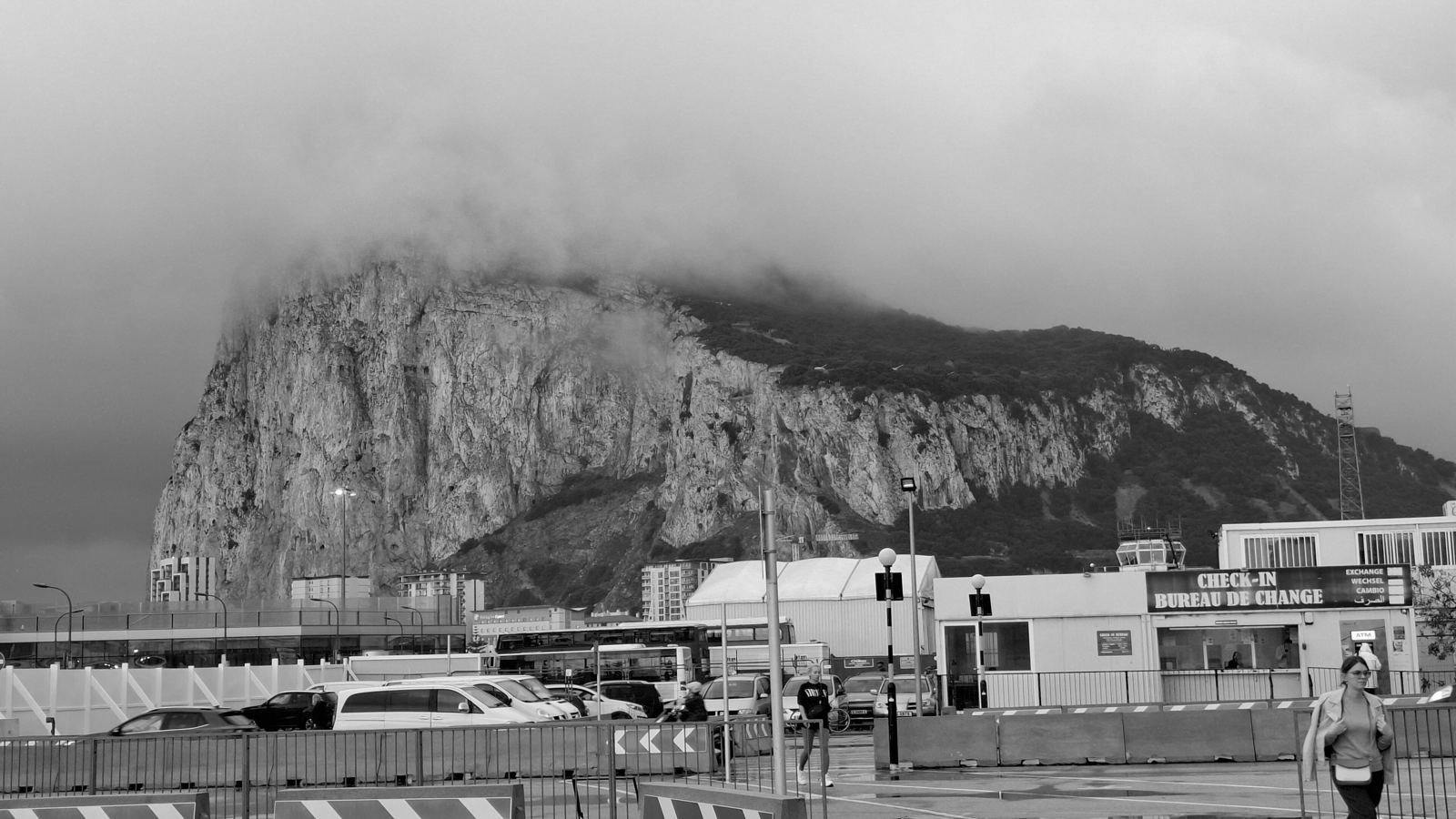
In a historic geopolitical shift, the UK, Spain, and the EU have agreed to remove the 300-meter border fence between Gibraltar and Spain.
Announced on June 11, 2025, the agreement eliminates Gibraltar’s hard border and brings the small but strategically located British territory into a Schengen-style arrangement. The plan introduces a new model of border management between the European Union (EU) and a non-member territory.
For decades, the physical fence known as “La Verja” embodied the disputed and tightly controlled nature of the Gibraltar-Spain border. Under the new plan, the fence will be removed, and Spanish officers will carry out passport checks instead at Gibraltar’s port and airport.
Frictionless Mobility, Tense Optics
Gibraltar’s new setup might offer ideas for similar agreements between the EU and nearby non-member areas. But Gibraltar is a special case. It is small, has a long history of political dispute, and holds strong symbolic meaning for the UK that is viewed beyond its size or economic importance.
This new arrangement simplifies crossing the border, especially for the workers who live in Spain but work in Gibraltar. It is also expected to speed up tourism and trade by removing delays at the checkpoint. However, the plan raises political concerns. Some see moving border checks away from the crossing and allowing Spanish officers to operate inside Gibraltar as blurring the lines of national control.
The agreement has sparked political debate in both the UK and Spain. Some critics, especially from nationalist groups, see the deal as giving up control rather than working jointly. The plan opens more space for freedom of movement in Gibraltar, but also connects the territory more closely to EU systems it lacked direct powers in.
Even so, the way this deal was reached—slow, technical talks with little public conflict—could serve as a model for negotiating other problems between the UK and the EU.
Customs in the Shadows
The deal will significantly affect trade in Gibraltar, which is known for its low taxes—it will adjust its rules under EU standards. This includes increasing taxes on products like tobacco and introducing a minimum corporate tax rate of 15% within three years.
Though these changes are part of the expected cooperation, they mark a shift away from Gibraltar’s traditional low-tax approach. For businesses that were once drawn to Gibraltar’s low-tax environment, this could mean higher operating costs and stricter compliance requirements. Ultimately, some companies may relocate, while others may restructure to meet new thresholds.
Gibraltar is not officially joining the EU’s customs union, but the new systems work in a similar way. The two sides will share customs information, carry out similar inspections, and follow the same basic rules. This is meant to allow goods to move freely across the border without changing prices or creating unfair trade between Gibraltar and Spain.
This setup lets Gibraltar maintain its legal independence and still work closely with the EU on trade. By copying EU customs rules without officially joining, Gibraltar gets many of the same benefits without integrating into the system. However, the rules will need to be updated regularly through talks between both sides, which could lead to future delays or disagreements upon changing political situations.
Furthermore, following EU rules could change what makes Gibraltar’s economy unique. Its success in areas like finance and online business has partly come from having different rules than the UK or EU. By adopting EU tax and trade rules, Gibraltar may give up the low-tax advantages and lighter regulations that once made it a popular location for industries like finance and online gambling.
Schengen’s Elasticity Meets British Ambiguity
This deal changes how Gibraltar handles border checks, but it also tests how flexible the Schengen system could be. Moving checks away from land borders into airports and ports is unusual and could lead to similar deals in other small areas where the EU wants to strengthen its ties without negotiating full membership.
This kind of deal could help in other politically sensitive areas, but it also creates risks. Making too many special arrangements could weaken the EU’s standard rules for border control and lead to reinforcement issues. The Gibraltar agreement shows a move away from thinking about borders as only physical lines—instead, borders are being shaped by agreements and cooperation between governments.