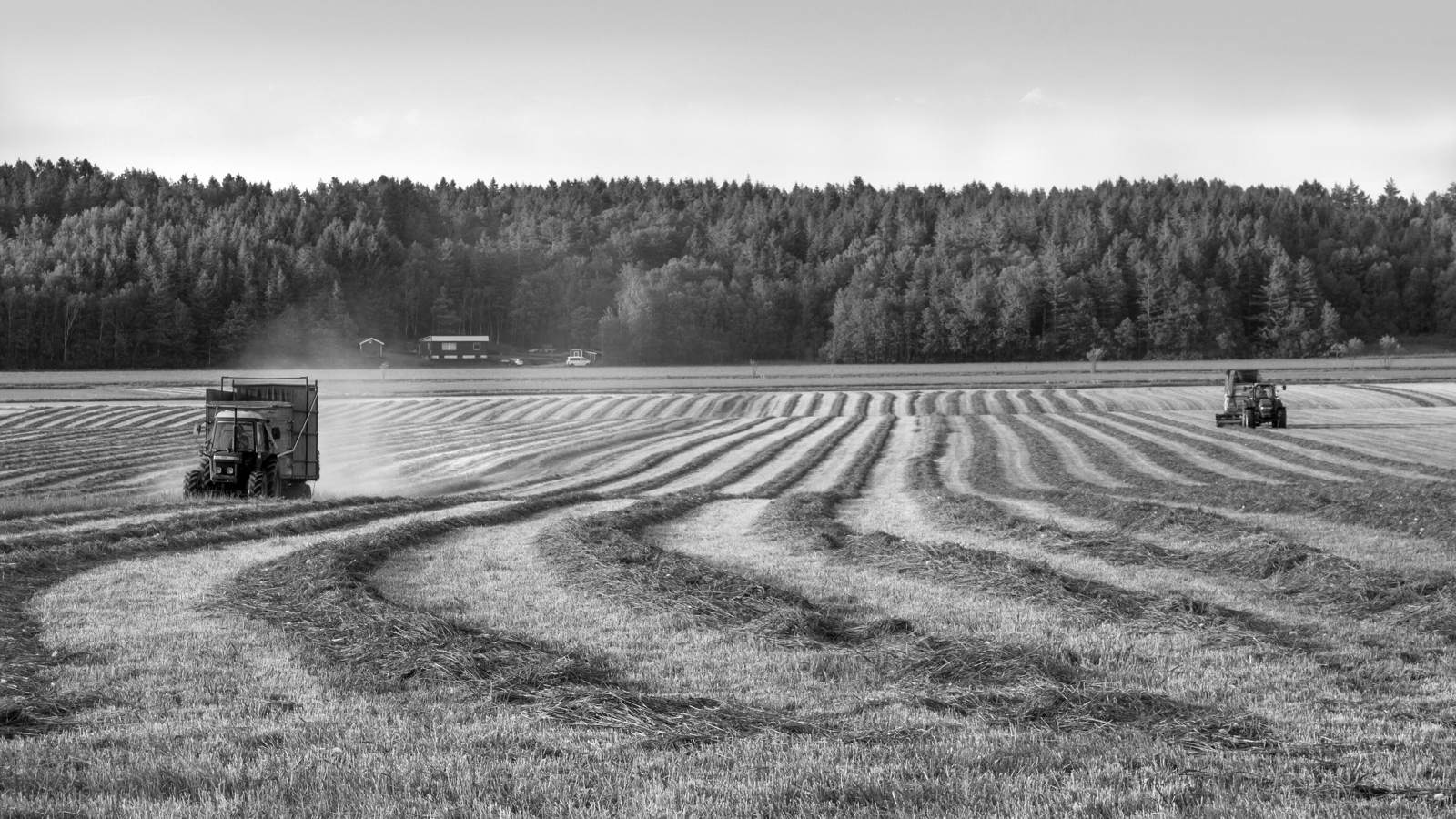
As global food security becomes more tenuous due to climate change and increasing populations, digital agriculture and precision farming have clearly brought new forces that can transform agriculture. Several governments are building regulations and policies to support AI-powered crop science including satellite soil and field imaging, gene-edited crops, and other tech-driven visions to boost efficiency and maximize yields. This revolution ultimately represents deep institutional and philosophical issues around biodiversity, access, and sustainability, each warranting new policies that promote innovation and integrate stewardship and justice regarding food production.
Revolution on the Farm: AI, Sensors, Drones, and Robotics
AI is rapidly changing how we interact with farming practices, where systems are already improving to continually track, model, and forecast soil moisture contents, nutrient contents, pest pressures, or planting or irrigating schedules. Evidence is showing that with combined use of AI analytics, remote sensors, and cloud systems, we start developing an infrastructure for "climate-smart" farming which leads to higher yields and lower environmental impacts. Within sustainable and precision farming practices, satellites and drones have changed the ways they provide early warnings of crop stress through high-resolution multispectral images; farmers can now make smarter and more targeted responses long before the naked eye would have detected it. At the same time, robots from GPS guided tractors, autonomous harvesters, or laser powered drone weeders are disrupting labor capital and social relations and their introduction is reducing the amounts of chemicals we once relied on.
Soil Health, Biodiversity, and Data Oversight
Digital technologies can monitor more than crop productivity; they can monitor ecosystem health. The EU’s Copernicus programme and the Global Earth Observation System of Systems (GEOSS) are examples of initiatives using satellites to map soil biodiversity and land integrity, both essential to ongoing agricultural resilience. However, with agritech corporations gaining the control of both massive amounts of data generated from farms, there are questions concerning data sovereignty. Farmers (especially smallholders) are left without substantial agency on who is accessing their data, how it is exploited, and who shares the benefits of their economic productivity. Experts caution that silos combined with monoculture systems may start promoting ecological homogenization, traditional farming practices will be eroded, and inequalities would widen by supporting the power of a small number of corporations.
Gene Editing
CRISPR-enabled breeds to create drought tolerance, pest resistance and improved nutrition are developed, and while the possibilities are enormous, regulatory frameworks were slow to keep pace. The UK’s Genetic Technology (Precision Breeding) Act of 2023, however, has permitted gene editing with the aim of encouraging innovation, notwithstanding misgivings in the EU and technology to help redefine food standards in a post-Brexit context. EU member states such as Spain and Sweden support science-based and proportionate regulation that would differentiate gene-edited crops from traditional GMOs, amid agricultural breakdowns as a result of climate change.
Equity, Connectivity, and Smallholder Farmers
In order for digital agriculture to realize its promise, equitable inclusion is required. Satellite, mobile, and AI-enabled platforms, including M-Shwari, FarmDrive, and Apollo Agro, are providing smallholders (especially in Africa and Asia) with access to microloans, insurance, and agronomic advice. But for them to benefit from improved credit and technology, patterns of behavior across the sector require robust rural infrastructure (e.g. high-speed internet, 5G, and Open RAN networks) and training, as well as cybersecurity. If the forecasts of the growth of the digital economy for agriculture are to be realized, coordinated public investment in infrastructure and training tools is required to limit digital divides for small-scale farmers and limit their exposure to being locked out of opportunities, which can further entrench inequalities.
Climate Resilience and Precision Practices
Flexible irrigation practices are emerging as a critical tool for climate resilience on farms. In China, variable-rate irrigation (VRI) technology is making it easier for wheat farmers to cut their water usage by around 21-22% without hurting their yields, simply adjusting the amount of water applied to different zones of the field based on the soil and terrain conditions. In Central Sands, Minnesota, the VRI system cut irrigation from 11.6 inches to 6.6 inches, or a drop of around 43%, while maintaining strong yields of corn. In the southeastern U.S., new “dynamic VRI” fashions of VRI have been found to be up to 40% more efficient and in many cases produce more crop yield, up 5-10% on more profitable crops like cotton, corn, and peanuts.
These water savings usually come with greater ecological benefits. Deficit irrigation means applying slightly less water in the non-critical stages, and can reduce irrigation demand by 50% (5% reduction in yield) along with the parametric reduction of greenhouse gas emissions from energy and fertilizer use. When precisely applied water is combined with practices like regenerative cover crops and reduced tillage, soil can not only sequester carbon and hold nutrients but also become more resilient to erosion. The farms employing these practices report yield gains of 10-25% along with reduced nutrient runoff.
Policy Directions Ahead
With the rise of digital agriculture, it becomes increasingly important that regulations are shaped to encourage equity and environmental stewardship. A significant piece of legislation could incorporate a requirement that farmers have ownership of or meaningful access to the data produced on their land. Left unprotected, that data may become a proprietary asset owned outright by agritech firms that deny valuable benefits to farmers. Further, rural broadband connectivity should be thought of as a core need rather than being considered optional. Increased access to fiber networks, and 5G service and open-RAN systems would be instrumental in onboarding remotely located farms to the agricultural digital transformation. When it comes to gene editing, policy should draw lines between low-risk tweaks to genomes, and more complex GMO technology. Regulations must preserve safety while creating space for beneficial innovations. Governments can play a role in enhancing agricultural sustainability by coupling financial incentives such as carbon credits or carbon subsidies to clearly defined and data backed environmental benefits. These benefits have a reliable traceable method of being scored as they will be observable through a satellite system (Copernicus) or through on-farm networks of sensors, and the reward programs are based on measurable improvements in the ecosystem.
Conclusion
Digital agriculture, where AI-driven insights, satellite tracking, and gene-edited crops come together, offers an exciting proposition: farms that use less, contribute more food, and are resilient in the face of climate stressors. The possibility is tantalizing. However, turning that potential into practice requires serious governance. Farmers must retain rights to their data, broadband access must reach every rural community, means of ensuring gene-edited crops warrant oversight, and rewarding those who regenerate soils and protect biodiversity must align. Get this right and digital agriculture could be a catalyst for a fairer and greener food system. Get this wrong and the rewards could be monopolized, ecosystems could be degraded, and the political promise of innovation could be squandered. Choices made today will define how global agriculture looks tomorrow and the planet too.