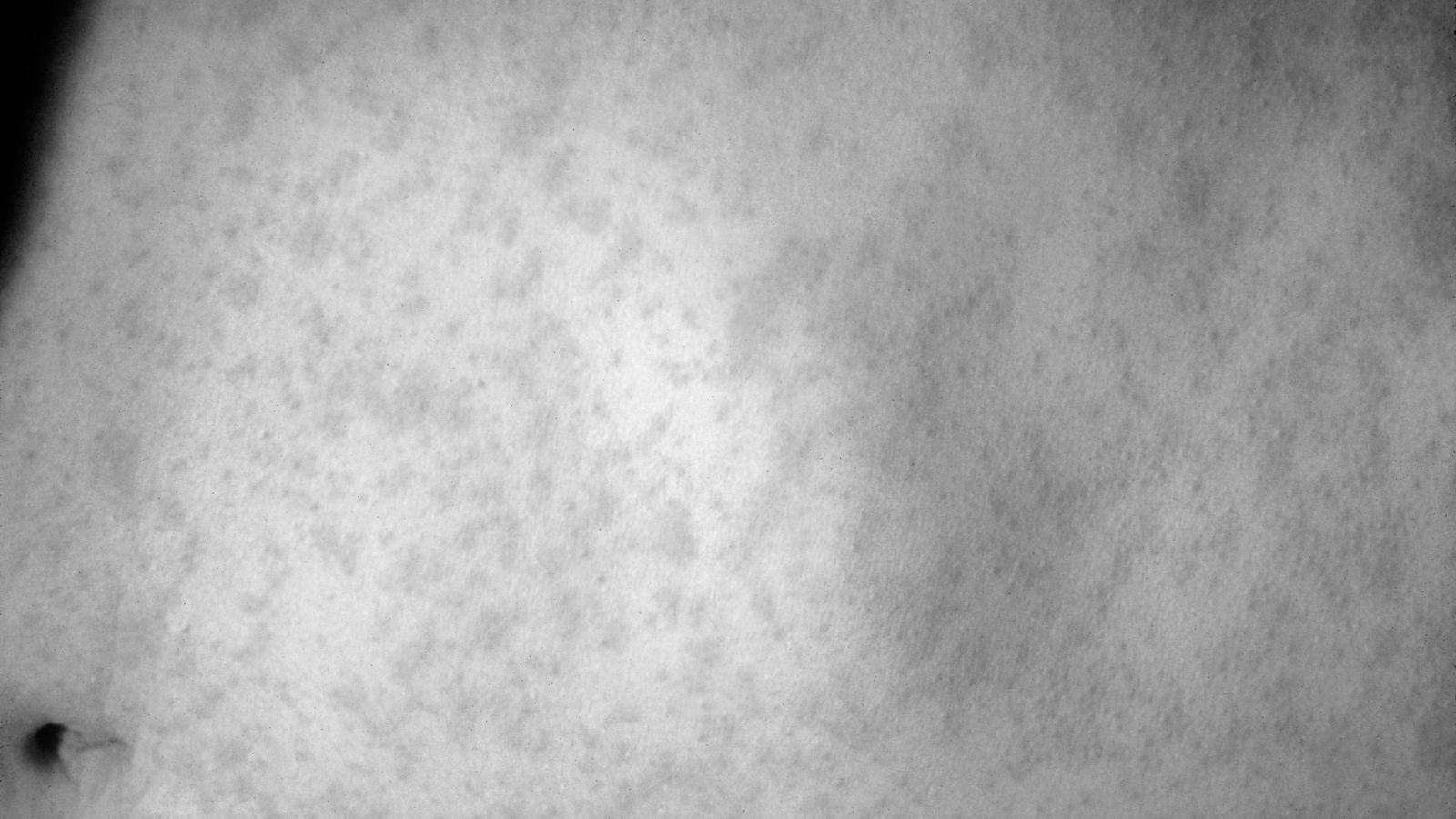
Measles was once declared eliminated in the United States by the World Health Organization (WHO) in 2000 due to the success of vaccination efforts—however, it has made a quiet but alarming comeback. This raises a red flag for medical experts nationwide as measles is a highly contagious disease that causes a high fever, rash, cough and red eyes, mostly occurring in childhood.
The Centers for Disease Control and Prevention (CDC) has reported that as of June 19, 2025, a total of 1,214 confirmed measles cases were reported by 36 jurisdictions. From Alaska to Florida, the outbreak is spreading fast and trust is breaking faster. Yet as the numbers rise, the head of the U.S. Department of Health and Human Services, Robert F. Kennedy Jr., who is a longtime vaccine skeptic, has maintained a perplexing stance on vaccinations. While he now endorses vaccination publicly, his mixed messaging—promoting nutrition and vitamin A as alternatives while exaggerating vaccine risks—has raised doubt and confusion about vaccine safety.
Dr. Michael Osterholm, an epidemiologist at the University of Minnesota and a former health department official, says the HHS actions on measles are “shouting with a whisper.”
Public health experts warn that in the post-pandemic climate of digital misinformation and political sensitivity, this inaction could carry consequences far beyond measles.
The Avoidance Strategy
As cases rise, the federal response remains sadly minimal. Officials have urged parents to check their children’s immunization records, but have avoided stronger national measures. Unlike previous outbreaks, HHS has issued no public health emergency, mandated no national vaccination campaign, and initiated no coordinated messaging effort. The agency has instead leaned into a decentralized approach, leaving vaccination outreach to individual states and emphasizing voluntary vaccination and localized decision-making.
While this aversion may appear rooted in federalism, many analysts suggest it reflects a deeper political assessment. The backlash to COVID-19 policies—from mask orders to school closures—left federal institutions wary of overstepping.
Fatigue and Fragility
The U.S. is not alone. The current outbreak mirrors a larger global trend in the public health crisis. The World Health Organization has reported increasing measles cases in Europe, Southeast Asia and Africa, often in communities with declining vaccination rates.
Three years of managing COVID-19 left many national health systems financially strained and politically fragile. In the U.S., trust in public health institutions remains broken. For many health workers and policymakers, burnout has replaced urgency.
Preventable diseases are slipping through the cracks while no one’s watching. Right now, measles is just the first to make it loud.
The Misinformation Wildfire
The digital era has worsened vaccine skepticism, turning it into a fast-moving force. Misinformation, once confined to online forums, now spreads through short-form video, encrypted messaging apps, and AI-generated content. TikTok influencers and Telegram groups are amplifying conspiracy theories, often faster than platforms or public health agencies can respond.
A Pew Research Center study found that up to 65% of Americans have encountered vaccine misinformation online.
An April 2025 poll by the Kaiser Family Foundation found that 25% of U.S. adults falsely believe the measles vaccine causes autism. Nearly 1 in 5 think the vaccine is more dangerous than the virus itself. This is a claim not supported by any major health organization.
Despite this, HHS has yet to implement a significant strategy to counter false narratives or improve digital health literacy.
Lessons Ignored
Delays in federal public health responses are not new. In 1976, the U.S. launched a rushed swine flu vaccine rollout under public pressure. During the early AIDS crisis, political hesitation slowed life-saving action. Even during COVID-19, inconsistent messaging around masks and vaccination created long-term confusion.
These moments share a familiar pattern: warning signs, followed by inaction, followed by reactive pivots often too late to prevent widespread harm.
The current measles outbreak fits this pattern. Despite clear warning signs and available tools, national leadership has remained restrained.
The Crossroads
The United States can reverse this trend. Vaccines are widely available. Public health expertise is intact. But the willingness to act boldly appears uncertain.
Federal leaders now face a choice: prioritize science and clarity, or continue to tread lightly in fear of political fallout. Either way, the nation is watching.
It’s up to HHS now—act decisively, or let the virus decide what happens next.