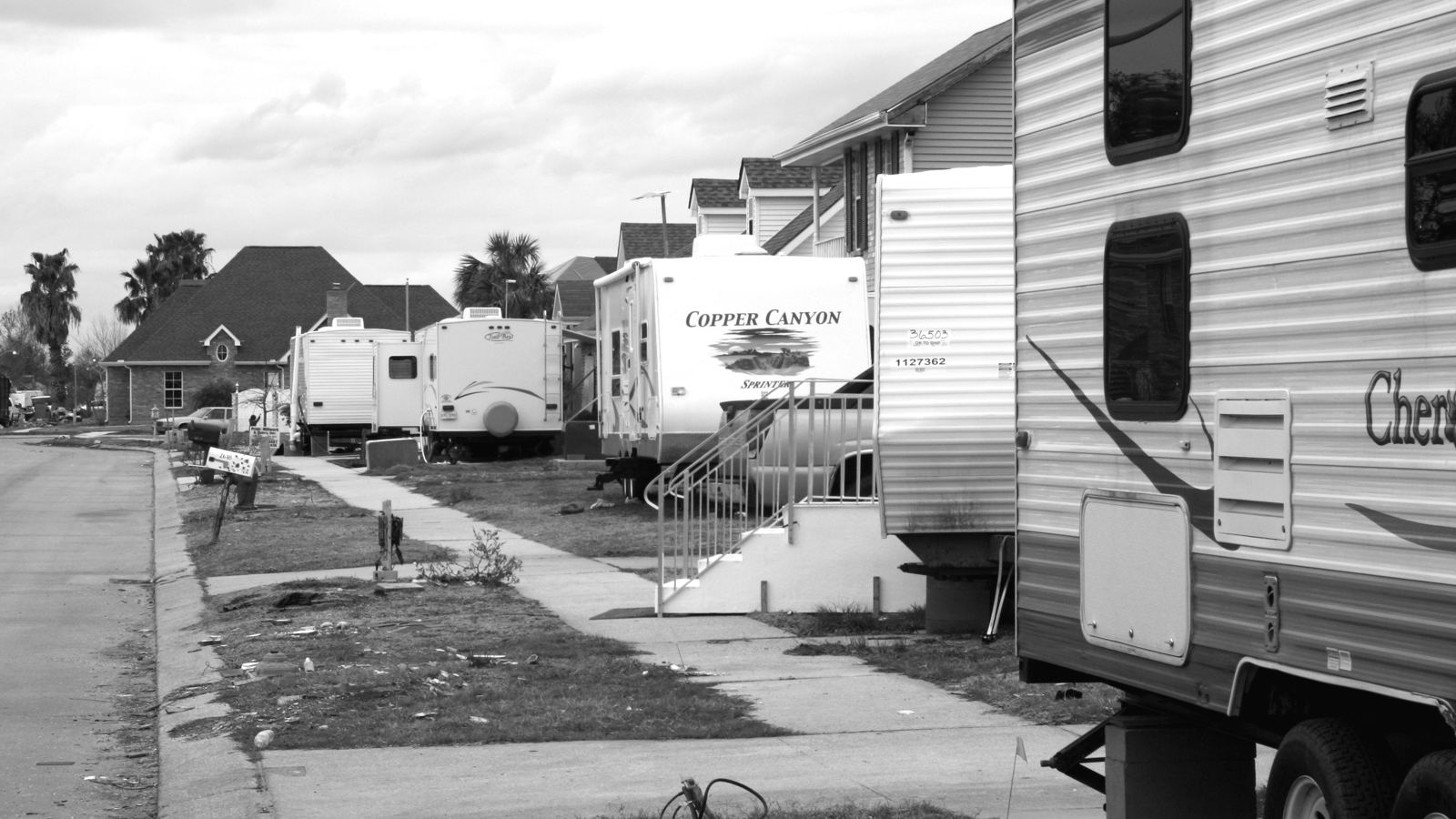
Among the latest cuts to federal spending under the Trump administration is a desire to “phase out” the Federal Emergency Management Agency (FEMA) after hurricane season ends.
Background
FEMA’s purpose in the government is to support civilians and government responders in preparation and in the aftermath of hazards, such as natural disasters. The relief program was created under Jimmy Carter’s administration in 1979, although relief from disasters assisted by the federal government has been occurring since 1803, following a hazardous fire. Throughout time, FEMA has been a part of the Department of Homeland Security following the Bush administration.
Ending FEMA
Although FEMA assists in many domestic natural disasters, such as Hurricane Katrina, Trump aims to end the federal program due to spending costs. In addition, the reasoning is a state versus federal government argument—where he argues that states can handle their own disasters instead of FEMA acting as disaster relief. Early June he stated, "We want to wean off of FEMA and we want to bring it down to the state level—a little bit like education, we're moving it back to the states," Trump said. Although the statement was made after hurricane season, effects are already taking place: 200 workers were fired from FEMA. Hurricane season is expected to last from June to November.
Respondents
It’s obvious and likely that ending FEMA would have effects that would make it difficult to recover from disasters. In addition, it has the potential to cost taxpayers more by suffering the ramifications of a disaster instead of pre-emptively fueling it. As a result, Craig Fugate who ran FEMA for eight years under Barack Obama says that completely abolishing the agencies isn’t possible for the president, although there are many areas of reform that are needed. Ultimately, he argues that FEMA is not insurance but rather disaster relief, which can help assist communities in times of emergencies. When asked, “When Trump says he’ll end FEMA, what do you think he means? Reforms like this, or blowing it up?” Fugate responded, “Who knows? Yet responding to disasters is the primary responsibility of states, not the federal government.”
Insight and speculation
Instead of seeing FEMA as mutually exclusive with state disaster relief, FEMA can be a tool used in cotangen with other agencies. The abolishment of FEMA is counterintuitive to the rising impacts of climate change. As wildfires blaze through the West Coast every summer, disaster preparedness becomes a more integrated and important aspect of tackling environmental issues than ever before. The human impact of weaning off a system designed to protect civilians should cause great alarm. While only marginal cuts have taken place, like Fugate said, who knows what the future may hold.