“The One Big Beautiful Bill” Passes the House
On July 3rd, the U.S. House of Representatives passed the “One Big Beautiful Bill” Act to be sent to the President’s desk to be signed. In a narrow vote of 218-214, after an already close vote in the Senate at 51-50, the Big Beautiful Bill is set to be signed into action by President Donald Trump on July 4th.
What does this mean for the future of Americans’ Healthcare?
Many proposals were introduced in the One Big Beautiful Bill, many involving budget cuts for millions of Americans’ healthcare. About 1.04 trillion dollars from the federal budget will no longer be going to Medicaid over the next ten years.
There are new requirements for receiving Medicaid in the 40 states that expanded Medicaid under the Affordable Care Act. This includes having to prove that one is working, going to school, or volunteering at least 80 hours a month. Exceptions to this rule will have to be applied for and approved, such as proving having taken care of a young child. The other 10 states that did not expand Medicaid coverage to disabled people will not have to abide by these rules.
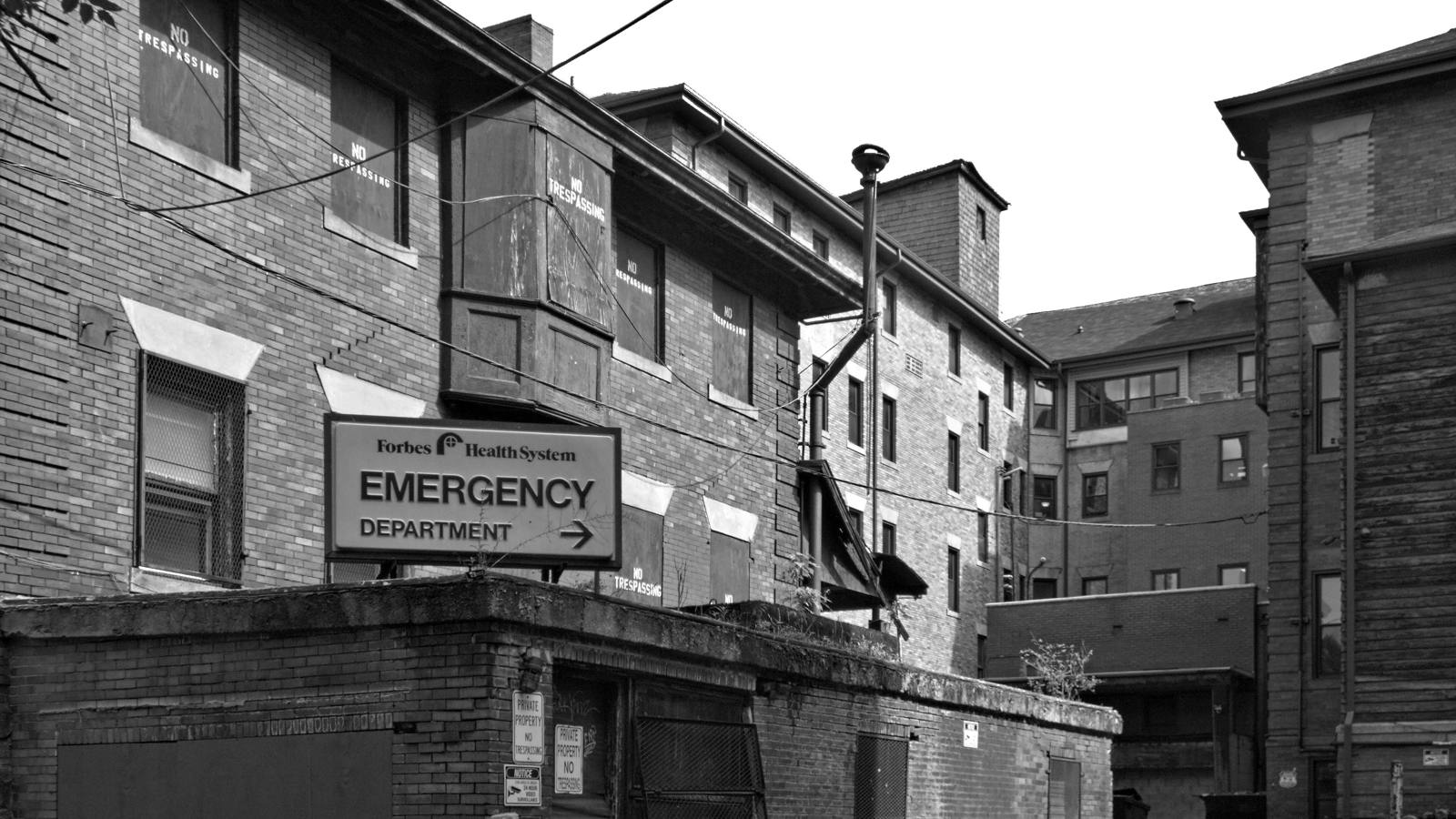
Along with the budget cuts, rural hospitals will face danger in remaining open. Although the “One Big Beautiful Bill” allocates 50 billion to supporting rural hospitals, ultimately, it is not enough to offset the money that will be lost in the Medicaid Provider Tax Cuts. Provider taxes have kept many rural hospitals afloat; however, with the reduction of taxes from 6% to 3.5%, these rural healthcare settings will lose a significant amount of funding.
Who is Most Affected by This?
Millions of Americans are set to lose their healthcare coverage, and nearby hospitals.
Those who are unable to work full time or leave their home, such as the mentally and physically disabled, will most likely lose their Medicaid status as they will be unable to fulfill the 80-hour per month work requirements. Others who will lose out on Medicaid due to this requirement include family caregivers and new parents who must be at home, and those who are unable to have a regular paying job.
Rural populations will lose out. Many populations rely on one nearby hospital, with the next one over being tens or hundreds of miles away from their home. With the provider tax cuts that these hospitals rely on being cut, more rural hospitals will continue to close. About 200 rural hospitals have closed due to funding problems within the past two decades, and now more are at risk over the next few years. Examples of the states that will be most affected by this include Kentucky, North Carolina, Illinois, and New York. More than 10 states will be heavily affected by these rural hospital closures.
What are the projected health outcomes?
Americans losing their healthcare is only projected to increase financial strain and worsen overall healthcare outcomes. The Americans who lose their Medicaid coverage will have to budget even more to survive and get their basic needs (food, shelter, etc.) met. Americans will delay getting the immediate help and prescriptions they need, which will affect their overall physical and mental health. More people will have to suffer from serious illness and injury.
In rural areas, especially, death rates and long-term illness will only increase. Without the ability to receive immediate attention in the case of an emergency, paired with lost healthcare coverage, rural populations will not receive the care they need on time.
Politicians who voted for this bill will now be responsible for the inevitable lives that will be lost due to these Medicaid cuts and lower provider tax rates.