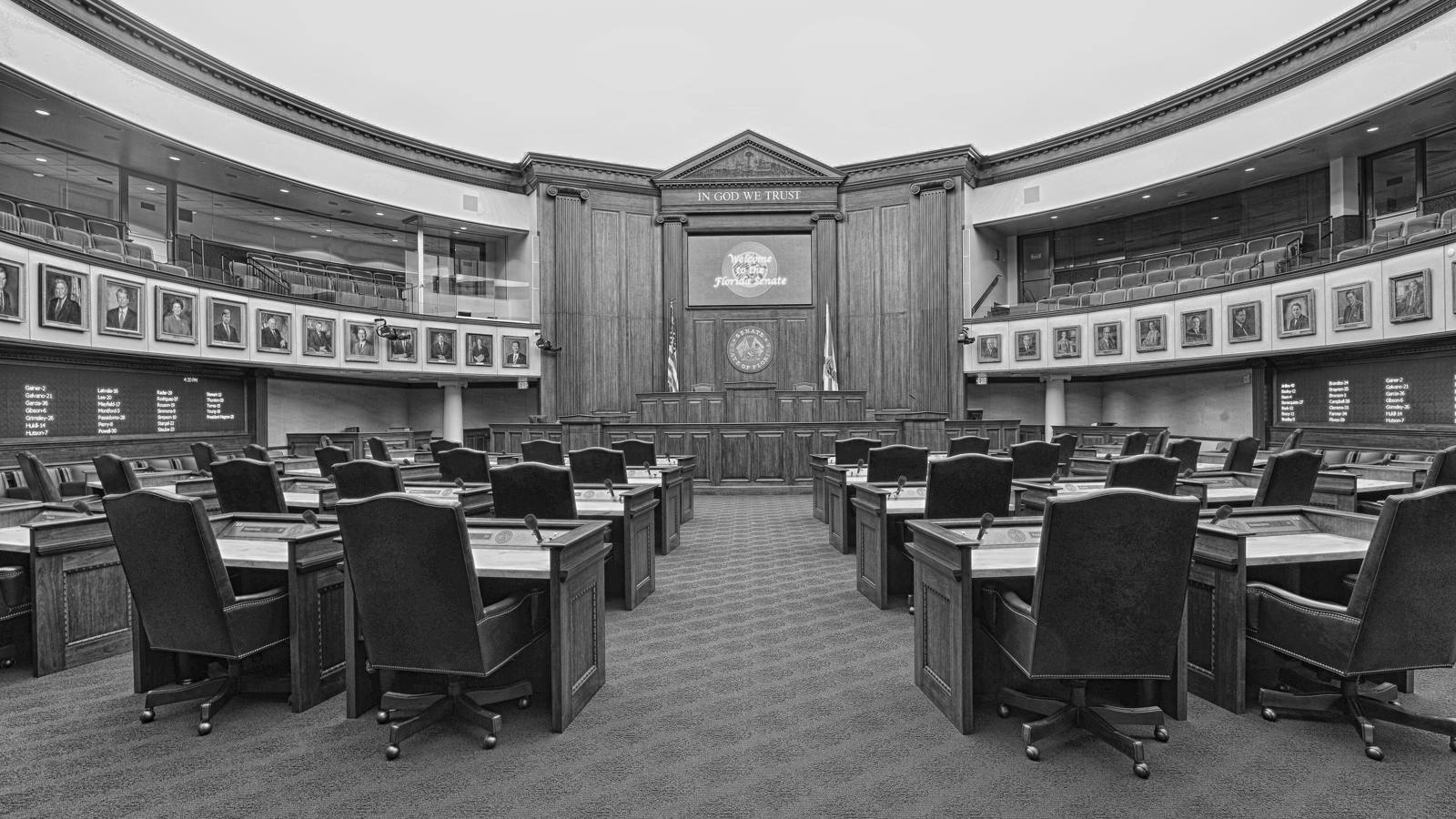
On June 25, 2025, Florida Gov. Ron DeSantis signed the Tristin Murphy Act (Senate Bill 168) and a complementary mental health initiative (SB 1620), marking a significant shift toward mental health care over direct incarceration. These statutes include mandatory early mental health screenings for inmates and diversion pathways to treatment, alongside rural school mental health reforms.
The new laws respond to tragic cases and long-standing systemic gaps. Backed by bipartisan support, these reforms represent one of the most comprehensive mental health expansions in recent Florida history.
Florida’s Growing Mental Health Crisis
Recent findings from the Florida Department of Children and Families present a serious reality: mental health challenges are widespread across the state and growing more urgent. Over the past year, an estimated 400,000 children and adolescents in Florida have struggled with serious emotional, behavioral, or developmental issues directly placing additional strain on already limited support systems.
Mental health concerns among youth have also intensified, with nearly one in three reporting they had seriously considered suicide within the last 12 months. This is a troubling indicator of a deeper crisis in adolescent well-being.
Among adults, the data paints a similarly concerning picture. Approximately 5% of Florida’s civilian population lives with a serious mental illness, and 15% have struggled with substance use disorders in the same period. Both conditions often go untreated due to a lack of access.
One of the most significant barriers remains a lack of providers. As of the latest assessment, almost every county in Florida—a staggering 98.5%—is experiencing a shortage or total absence of local mental health professionals. This has pushed vital mental health support into alternative spaces like schools and correctional facilities, making programs like SB 168 and SB 1620 all the more essential.
And yet, even as mental health needs rise, Florida ranks among the lowest in the nation for calls made to the 988 Suicide & Crisis Lifeline, according to data from the U.S. Department of Health and Human Services.
A Legislative Response to Tragedy
Named after Tristin Murphy, a 37-year-old inmate with schizophrenia, who died by suicide in 2021 while in prison and had been denied mental health treatment and medication in the weeks leading up to his death. His mother, Cindee Murphy, told lawmakers there were several missed opportunities to save him. The Tristin Murphy Act aims to reduce the incarceration of nonviolent individuals struggling with severe mental illness. Under SB 168, arrested individuals will be screened for mental illness within 24 hours of booking; eligible cases may be diverted to mental health treatment rather than jail. By October 1, new diversion programs—spanning misdemeanors to pretrial felonies—will be operational across Florida counties.
The bill entails the following:
- Allows counties and municipalities to establish misdemeanor mental health diversion programs and pretrial felony diversion programs.
- Gives sheriffs, courts, and treatment providers a clear process for routing people with serious mental illness out of the criminal justice system and into care.
- Expand the Criminal Justice, Mental Health, and Substance Abuse Reinvestment Grant Program to include a new focus on veteran treatment court programs and emergency responder training.
- Requires mental health evaluations for individuals with a history of incompetency adjudications before they’re placed on probation and returned to society, closing a dangerous loophole.
Investment in a Broader Mental-Health Strategy
Alongside prison reform, SB 1620 implements recommendations from the Florida Commission on Mental Health and Substance Use Disorder. The bill represents a more comprehensive effort to address mental health systematically across Florida. It includes enhanced discharge planning—incorporating long-acting injectable medications—expanded mobile crisis teams for seniors, and workforce development incentives. It also renamed the University of Southern Florida Mental Health Institute the “Senator Darryl E. Rouson Center” to lead substance abuse and behavioral health research.
SB 1620 also targets Florida’s education system, mandating biennial reviews of telehealth accessibility in K–12 settings. This initiative aims to close digital access gaps and ensure students in remote areas are not left without support. The bill provides funding to expand school-based mental health services, especially in underserved and rural areas. It also establishes a framework for school districts to collaborate with local mental health providers and develop comprehensive crisis response plans.
Broader Context and Implementation Outlook
Together, SB 168 and SB 1620 reflect a growing acknowledgment that mental health is integral to public safety, education, and community well-being. They also signal a policy shift—one that favors proactive mental health care rather than reactive intervention.
However, questions remain about implementation. Advocates have raised concerns about funding consistency, staffing shortages in behavioral health professions and ensuring these programs reach the people most in need.
Still, mental health advocates have welcomed the effort.