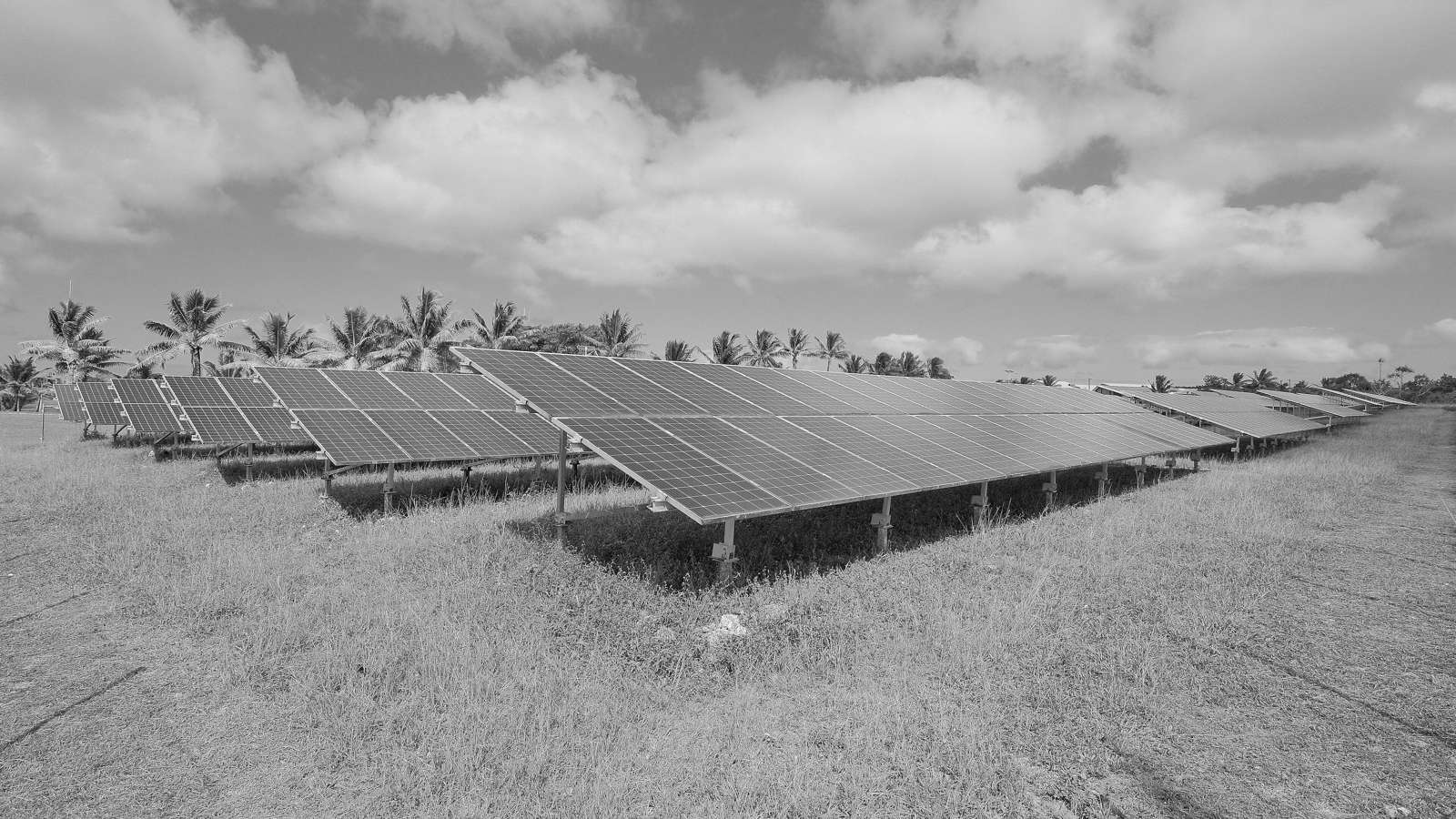
As a dominant player in the global solar panel market, China is now under unprecedented scrutiny as the United States and European Union escalate tariffs and trade barriers in response to what they claim are unfair practices. The resulting standoff is a pivotal moment for the world’s shift to clean energy, with effects reaching from Southeast Asian factories to emerging energy markets in Africa. The urgency of climate change mitigation runs into long-standing concerns about national economic security and the manufacturing future of Western economies.
Rise of China’s Solar Industry
Within the past decade, China has invested over $50 billion in new photovoltaic manufacturing, backing companies with subsidies, low-interest loans and favorable land deals. This support allowed Chinese firms to oversee every step of production, from raw materials to finished panels. A 2022 study reports that coordinated state-backed investment and efficient supply chains allowed China to scale from under 1% of global module output in 2001 to a commanding position today. This increase helped bring down solar costs by nearly 80% since 2010 and create export dominance that raises alarms over global dependence and protectionist backlash.
Tariffs, Trade Disputes and Changing Supply Chains
The U.S. and EU have imposed tariffs and launched anti-dumping investigations on Chinese solar panels to protect their own domestic industries. The United States Commerce Department has imposed tariffs as high as 271% on imports from Southeast Asia, where Chinese firms shifted production to bypass previous trade barriers, as a response to alleged “dumping” and market oversaturation with below-cost solar panels. Consequently, Chinese manufacturers rapidly shifted production to countries like Laos and Indonesia. As a result, these countries’ share of the U.S. solar market surged from under 1% to 29% within months of the latest tariff measures. This highlights how quickly global supply chains can adapt to shifting trade policies. Looking to the European Union, they’ve experienced a slowdown in Chinese panel imports with their share of China’s solar exports falling from 41% to 34% in early 2025. While less aggressive than the U.S. response, the EU’s actions reflect growing concerns over overcapacity and the strain on domestic solar manufacturing.
Clean Energy Goals Under Pressure
The intensifying trade barriers threaten to delay renewable energy expansion as the world races to meet climate goals. Global solar deployment must double by 2030 to remain aligned with the 1.5°C pathway outlined in the Paris Agreement. Tariffs and supply chain issues are making solar energy more expensive, especially for low- and middle-income countries. These delays risk locking nations into fossil fuels and missing global climate targets. Experts argue that trade policies should balance economic protection with the urgent need to expand clean energy access.
Climate Goals at Risk
Conflict with trade threatens to slow the global rollout of solar energy. Chinese-made solar panel restrictions could increase the cost of the global clean energy transition by 20%, adding over $6 trillion to total expenses. Trade barriers could reduce U.S. solar installations by 10% over the next decade, putting key emissions reduction targets at risk. U.S. consumers are already seeing higher costs for solar installations, with future supply uncertain. Chinese officials have criticized the tariffs as protectionist, warning that such measures threaten climate progress and disrupt vital global supply chains. This conflict between industrial protection and climate urgency remains an imperative challenge for policymakers.
New Paths for Solar Growth
In response, Chinese solar firms are adopting a three-pronged strategy: building factories in the U.S., expanding into third-party markets and maintaining direct exports where feasible. Global solar manufacturers are shifting production to multiple countries to avoid relying on one region. While this makes supply chains more resilient, it also raises costs and makes it harder to follow consistent environmental standards. Industry leaders say expanding overseas is the only way for Chinese solar companies to stay competitive amid tough local rivals and growing international trade barriers. As the world works to reduce carbon emissions, the fight over solar panels shows conflicts between policies, climate goals, and global supply chains. It’s uncertain if this will create a stronger solar industry or slow clean energy progress. What is clear is that the solar trade dispute is changing markets and the future of energy. Future policy choices will be crucial to making sure these changes promote fair economic growth while addressing urgent global climate goals.