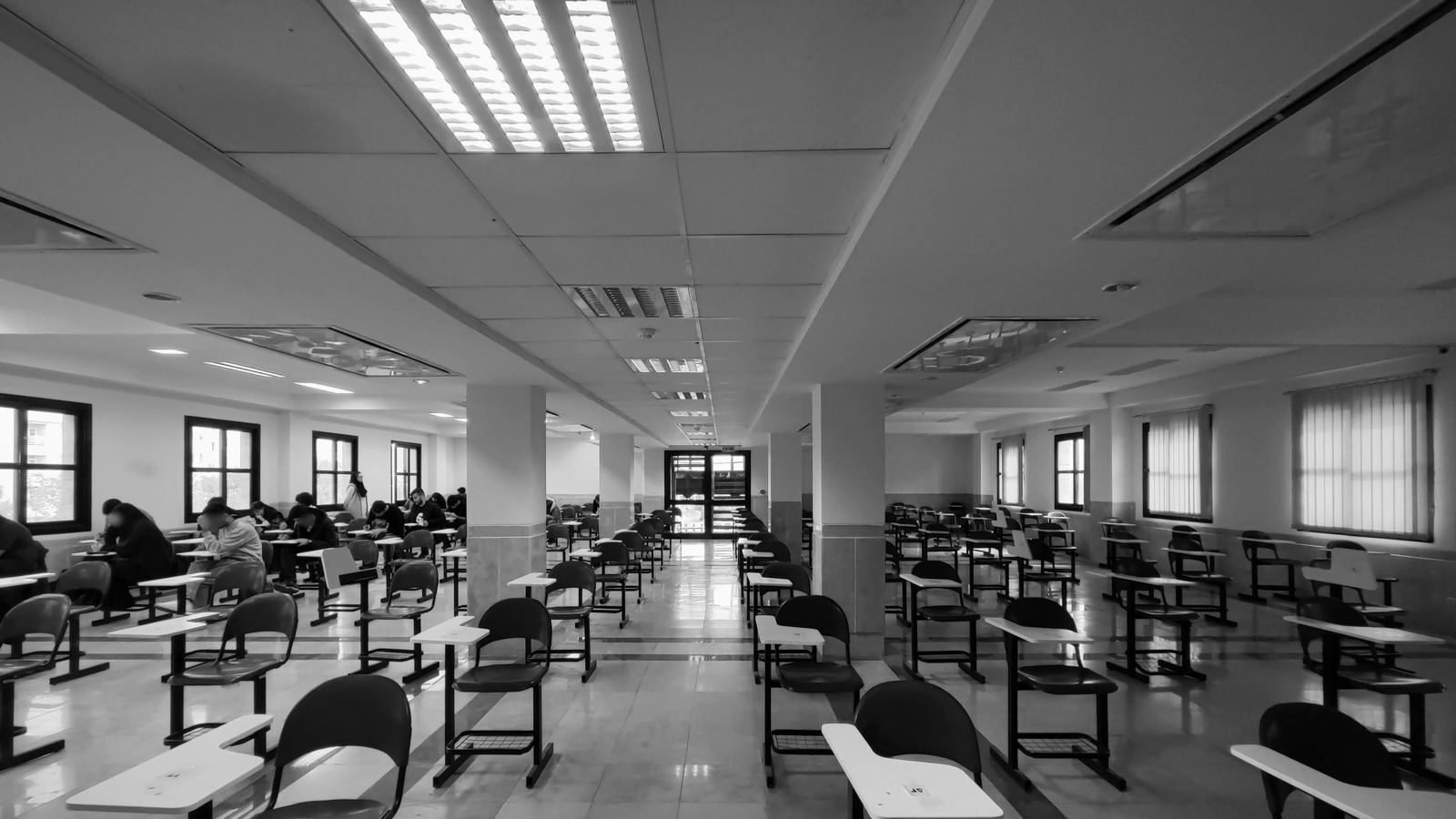
In a large move signaling a major transformation in India’s secondary education system, the Central Board of Secondary Education (CBSE) has announced that Class 10 students will be allowed to sit for board examinations twice a year beginning in 2026. This reform, which was introduced in alignment with the National Education Policy (NEP) 2020, is designed to reduce exam-related stress and offer students a chance to improve their scores without being penalized by a single high-stakes test.
The revised system introduces a dual-board model where the first exam, held in February, is mandatory for all students. A second, optional attempt will follow in May, thus offering an opportunity for score improvement in up to three core subjects: Science, Mathematics, Social Science, and Languages. The final result will reflect the higher of the two scores for each subject, giving students greater control over their academic outcomes.
Shifting Towards Flexibility
This reform is one aspect of a broader goal that has been outlined in NEP 2020 to make board exams more flexible, less stressful, and more representative of a student’s learning journey. By providing two chances within a single academic session, the CBSE is accordingly aiming to diminish the pressure that currently revolves around a single final examination.
Under the new guidelines, the internal assessment process for Class 10 students will be conducted only once—prior to the February exam. The overall syllabus, exam pattern, and marking scheme will remain unchanged across both sessions, ensuring consistency in evaluation standards.
Certain provisions have additionally been added to accommodate students with special circumstances. For example, students from winter-bound schools can choose to appear in either of the two exam phases. Similarly, students who are participating in national-level sports events during board exam dates will be allowed to take those particular subjects during the second phase.
This revised structure maintains eligibility criteria for participation in the exams. To appear for the first exam, students must be either currently enrolled, repeaters from the previous academic year, or those seeking improvement. The second exam will only be open to students seeking improvement in up to three subjects, or those appearing for compartment or subject-replacement categories. Students who fail three or more subjects in the February exam will not be eligible for the May session and must repeat the academic year.
Results and Admissions
The CBSE plans to release the results of the February exam by April, enabling students to apply for provisional admission to Class XI. Those who take the May exam can update their admission status once final marks are released in June. However, final mark sheets and merit certificates are only to be issued after the second exam cycle, thus allowing the best possible scores to be reflected in students’ academic records.
Post-result services such as re-evaluation, answer sheet photocopies, and verification will be made available only after the second exam results, which could potentially serve to delay clarity for students seeking a review of their scores.
Educators Are Divided
While the policy is being viewed as a step forward in aligning education with student well-being, it’s raised equal concerns among teachers and school administrators. The extension of the exam cycle from February to June could significantly disrupt the academic calendar, compressing the time that’s available for teaching and learning in other grades.
Educators fear that an elongated exam period could lead to reduced instructional hours for lower classes (particularly grades VI to VIII), as the faculty and staff would be preoccupied with exam administration, grading, and coordination. This redistribution of attention could serve to weaken foundational instruction across the school system.
Teacher burnout is another key issue. The burden of preparing students for two board exams, on top of managing their regular teaching responsibilities and conducting internal assessments, poses a serious challenge to workload management. Without appropriate support or an increase in staff, this change could impact teaching quality and even morale.
And what about the students? For them, critics of this change worry that rather than providing relief, the extended exam window could create a prolonged period of anxiety—particularly for those who perform moderately well in the February exam but feel compelled to improve further in May.
Financial and Emotional Implications
Concerns are rising about the financial toll this model may impose on families, particularly those from middle and lower-income backgrounds. Additional costs related to registration, travel, study materials, tutoring, and exam center logistics could deter some students from taking advantage of the second exam opportunity, which could only serve to undermine the policy’s inclusiveness.
Families could also experience emotional fatigue as exam-related stress stretches over months. In households with limited resources, this uncertainty could add new pressures on both students and parents.
What About Alternatives?
On the flip side, some educational experts have proposed alternatives to the biannual model to address these concerns while still fulfilling the goals of NEP 2020. One such suggestion is shifting to online adaptive testing models that allow students multiple retake opportunities throughout the year, thereby removing the need for rigid exam cycles.
Still, others are advocating for greater reliance on internal assessments. This, they argue, would allow schools to certify learning outcomes for students who do not require standardized board exam certification in all subjects. These internal metrics could be supplemented with project-based evaluations and oral assessments to create a more holistic picture of student achievement.
There is also growing support for pilot programs to test the feasibility of biannual exams in select schools or regions before implementing the policy nationwide. Such a phased rollout could provide valuable insights, as well as help CBSE fine-tune the structure for broader adoption.
Looking Ahead
CBSE’s introduction of a biannual board exam system reflects the beginning of a philosophical shift in Indian education that should not be ignored—one prioritizing student agency, flexibility, and the reduction of undue pressure. However, the success of this policy will depend on how thoughtfully it’s executed. If not, it risks becoming yet another well-meaning reform weighed down by logistical strain and unintended consequences.