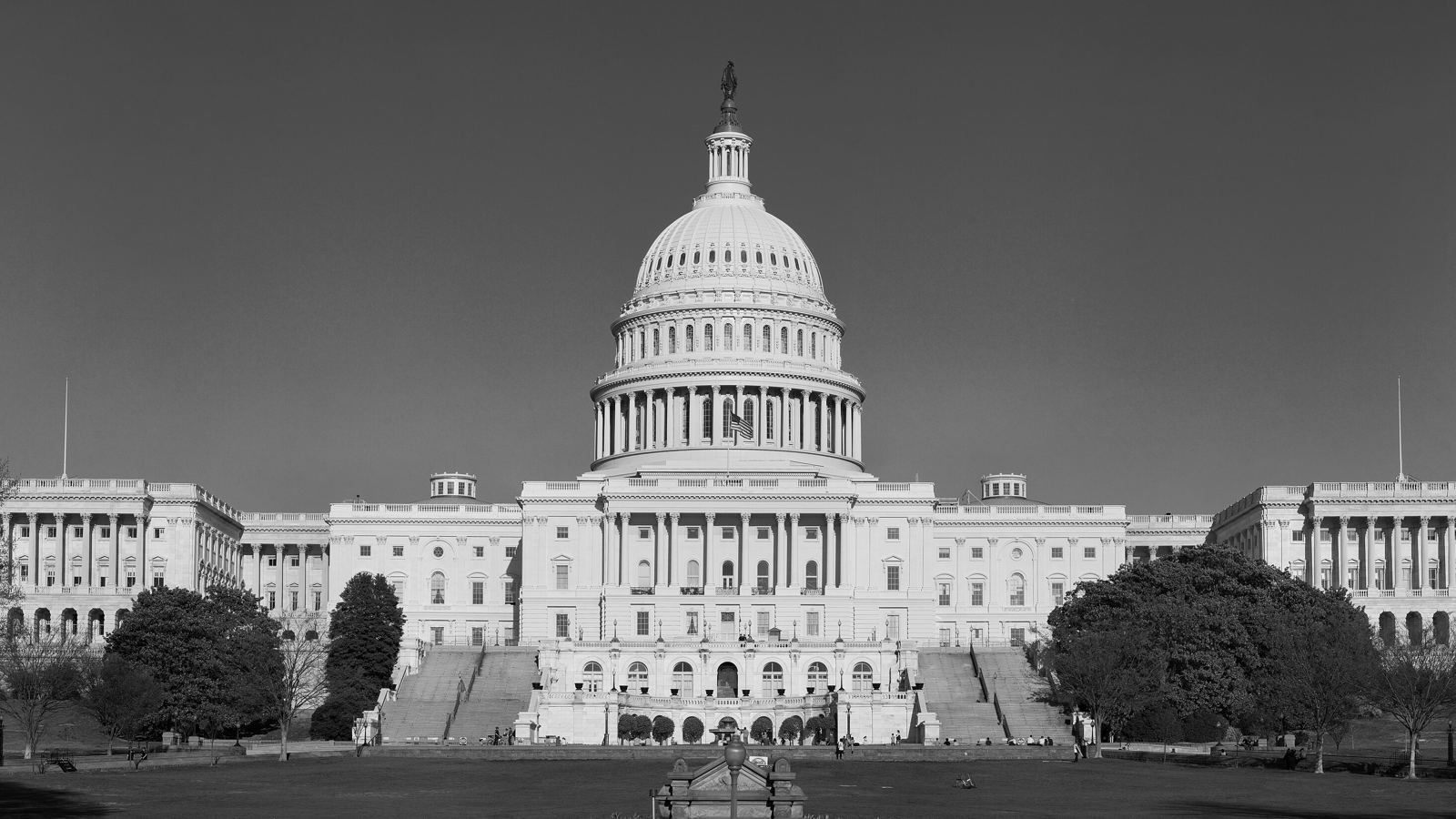
In July 2025, the Giving Examined Notifications Involving Unregulated States (GENIUS) Act became the first federal law in the United States to establish official laws and legally codify expectations for payment stablecoins and digital asset governance. Signed into law by President Trump, the Act is meant to infuse a sense of order and transparency within an ecosystem long resistant to oversight through the imposition of licensing, reserve, disclosure, and compliance obligations on stablecoin issuers, especially those used for payments and settlement. It also directs federal agencies to investigate unhosted wallets, offshore exchanges, and other decentralized structures that have previously operated outside of traditional financial regulation. In doing so, the Act marks a notable and historic turning point - a formal acknowledgement by American lawmakers that digital assets, once considered ‘fringe,’ must now be brought within the scope of public accountability and regulated accordingly.
A Technology Born in Rebellion
Cryptocurrencies were initially designed to surpass conventional governance. Bitcoin’s founder, Satoshi Nakamoto, introduced the currency in the lingering aftermath of the 2008 financial crisis in the form of a ‘white paper’ that derided traditional financial intermediaries. Instead, Nakamoto’s system proposed a decentralized, trustless model for monetary exchange. Thus, the entire architecture of blockchain was meant to eliminate the necessity of regulatory oversight by creating a cryptographically secure system of value transfer that proponents term ‘self-validating.’ In this sense, anti-regulation thinkers claim that regulation of cryptocurrencies like Bitcoin, Ethereum, and the similar family of privacy coins such as Monero is, beyond being merely difficult, also innately antithetical to their ideological origin.
A Dark Side of Self-Sovereignty
However, this resistance to regulation also means cryptocurrency has become a haven for illicit activity; some even argue that it is precisely this absence of oversight that has encouraged such behavior to flourish. A 2023 report by Chainalysis discovered that illicit transaction volume by way of cryptocurrency transactions had soared to an annual total of more than $20.1 billion (in spite of a serious market downturn at the time). Platforms such as decentralized exchanges (DEXs) allow users to move assets pseudonymously, very often without basic Know Your Customer (KYC) checks or Anti-Money Laundering (AML) protocols. Though this system does allow for greater individual privacy and higher levels of financial autonomy, it simultaneously enables malevolent actors to establish illicit resources ranging from ransomware payments to dark web marketplaces. Consequently, a major provision in the GENIUS Act mitigates this issue by delegating responsibility towards the bureaucracy to report on the full extent of these risks.
The Legal Nucleus of the GENIUS Act: Unhosted Wallets
Specifically, the GENIUS Act focuses on “unhosted wallets” that assume the form of software or hardware tools giving users the ability to store and transfer digital assets without the use of intermediaries such as Coinbase. These wallets are “unhosted” because they are controlled solely by the user. Again, despite the fact that this attribute classifies cryptocurrency as one of the most financially self-sovereign systems to date, it is also the very quality that makes it difficult to trace or freeze in instances of criminal activity. The GENIUS Act hence mandates detailed investigations into how these wallets are used in illicit finance and whether additional regulations should be enacted to counter these problems.
Privacy Advocates Push Back
Of course, such efforts are far from without controversy. Unsurprisingly, these provisions have served as cause for alarm among many digital rights groups. Crypto advocacy organizations such as the prominent Coin Center argue that regulating unhosted wallets could result in unconstitutional surveillance and a subsequent violation of digital privacy rights. In a memo responding to similar regulatory proposals in 2020, Coin Center maintained that mandating that individuals report their private cryptocurrency transactions to the government, or banning certain software tools altogether, would be equivalent to requiring people to report every cash payment or banning pen-and-paper encryption tools. The GENIUS Act does not propose direct bans. All the same, its emphasis on investigation certainly sets a precedent for further intervention in the future. This, too, may then give way to difficult constitutional questions under the Fourth Amendment.
The Offshore Exchange: A Similar Dilemma
The Act’s focus on offshore exchanges similarly places international legal conflicts under sharp examination. Many of the world’s largest and most active cryptocurrency exchanges actually operate outside the United States’ jurisdiction, often in countries with comparatively looser regulatory regimes. Consider Binance, a company that has faced investigations in the U.S. for supporting money laundering and failing to register with financial authorities. Unfortunately, enforcement against such entities typically necessitates transnational cooperation; in some cases, disputes may be so serious as to require new treaties or legal doctrines. It follows that the GENIUS Act’s proposal for more detailed scrutiny of these and more challenges may be one indicator of a larger phenomenon: namely, a newly emerging U.S. strategy to assert jurisdictional authority over global crypto flows through the use of its immense informational and legislative leverage.
Lingering Questions and Future Risks
Even so, questions abound about the efficacy and feasibility of the Act’s recommendations. Can regulatory bodies, for example, genuinely or meaningfully ‘investigate’ a highly convoluted system that is decentralized by its very design? Will greater scrutiny of unhosted wallets and DEXs result in significant enforcement or simply push ‘bad actors’ into more obscure, yet equally detrimental, corners of the blockchain ecosystem? Perhaps most importantly, many continue to wonder whether it is even possible for the U.S. government to put forth a healthy balance between regulatory need and protection of innovation and civil liberties.
The GENIUS Act does not provide immediate answers to any of these concerns. It does, however, signify a central shift in the way lawmakers conceptualize and consider the business of governing cryptocurrency. Notably, it acknowledges the idea that digital assets are no longer what they once were - that is, fringe instruments for libertarian experiments or speculative traders. They are now integral components of the modern financial system, such that they offer both risks and rewards in demand of public scrutiny. Thus, we might view the Act as a more measured approach favoring cautious investigation instead of preemptive constraint.
The End of Crypto Exceptionalism?
In doing so, the GENIUS Act also opens the door to a broader discussion on what governance might look like in a decentralized world. Traditional financial regulation has relied on certain central ‘chokepoints’ (i.e. banks or brokerages) that can be effectively audited and, just as importantly, compelled to comply with government authorities. When these conventional methods are juxtaposed with cryptocurrency, we find that it is in comparison borderless, algorithmic, and frequently leaderless. Any attempt to regulate the industry therefore must rely upon a method of oversight that does not subvert the essential principles of cryptocurrency as a financial system. Whether the GENIUS Act is a tentative first step towards a proper balance or a predecessor to more aggressive regulatory overreach will depend on how its findings are interpreted and implemented. Regardless, one idea is clear: its introduction denotes a firm recognition that the ‘beginning of the end’ has arrived, at least for the era of crypto exceptionalism.