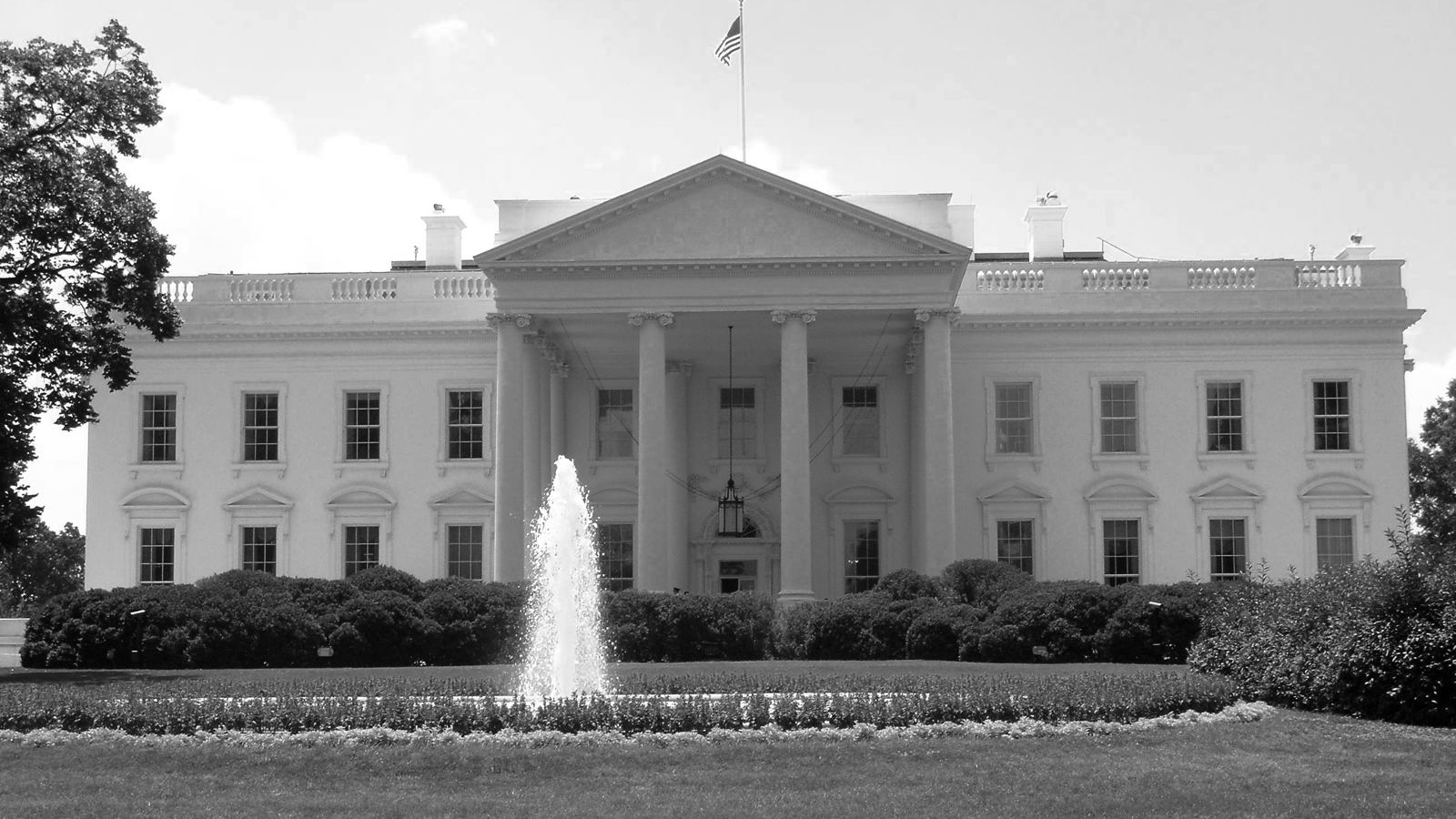
On July 23, 2025, US President Donald J. Trump commissioned Executive Order 14179 titled “Winning the Race: America’s AI Action Plan”, or, in other words, The White House AI Action Plan. The 28-page plan lays out over 90 federal policies aimed toward the deregulation of artificial intelligence in the US. The plan's ultimate goal, per the Oval Office, is for the US to gain global dominance in the field and, thereby, a new golden age of human flourishing, economic competitiveness, and national security.
The plan emphasizes three core pillars centered around ensuring that Americans are the first to benefit from artificial intelligence innovations and that artificial intelligence is free from ideological bias or international misuse.
Three Key Pillars
The first pillar focuses on accelerating AI innovation, which should go without saying. Specifically, the Trump Administration wants to remove red tape around AI and promote open-source usage and widespread adoption throughout the US. This would include numerous increased regulatory initiatives, advanced AI testbeds, and more research and development.
The second pillar outlines the need to build American infrastructure. The first step—which the Trump Administration has already begun to carry out vis-à-vis the Stargate Project and chip tariffs, respectively—is to expand and solidify domestic data centers and semiconductor manufacturing sites.
The third pillar promotes American global leadership in international diplomacy and security. The plan hopes to expedite the US exporting, rather than importing, AI technologies. In doing so, the US hopes to align its allies with these goals and set global standards for AI innovation.
Noteworthy Domestic Policy Changes
The plan stresses speed and scale across all pillars. In the rapidly advancing world of artificial intelligence, it is imperative that the US rapidly approves projects, promotes increased research and development, and mobilizes both government and private capital worldwide.
The plan's most important policy revamp is to rapidly increase semiconductor and data center buildout. Federal permitting for AI infrastructure will now be expedited. Take the Stargate Project as an early example. A joint venture already underway between OpenAI, Oracle, and SoftBank, the Project will receive a $500 billion investment from the US government over the next four years.
The plan also seeks to remove bureaucratic red tape surrounding AI innovation and deregulation to expedite the aforementioned process. In fact, the plan’s major thrust is to remove regulations that hinder AI development or deployment. The plan also seeks to make federal funding contingent on how loose the AI climate is in each state. In practice, the federal government seeks to nurture a low regulatory environment in the US.
Looking Outward
The plan, which controls and consolidates domestic production, marks a shift away from the Administration’s isolationist reputation. The US wants global leadership in AI, countering China and global adversaries. The plan calls for active diplomacy and cooperation on export controls.
The Departments of Commerce and State will collaborate with American industry to create full-stack AI export packages to be distributed to US allies worldwide. These packages will include software, hardware, and applications to undercut Chinese dominance by ensuring reliance on American technology.
With that, the US will encourage and fund allied nations to build and adopt the American stack. That will come with added benefits for them—or tariffs. The plan proposes that those who adapt American technology will gain access to sublime American technology—those allies who do not risk secondary tariffs.
Diplomatically, the US will sustain an effort to promote global AI standards through international forums. The plan explicitly calls out China’s role here and essentially begs other democracies to abandon their set norms. For instance, China’s Global AI Governance Plan, released just last month, outlines a Chinese replacement of rules-based order through Chinese AI domination.
Overall, the U.S. strategy seeks to foster a global AI alliance of democracies to counteract authoritarian models but ultimately to cement the US as a global leader. Many tech firms and industry leaders have already endorsed the plan for its focus on infrastructure and exports. Americans will now be pro-innovation, touting agility and growth.
Impact on US AI Ecosystem
Of the 10 largest AI companies by market valuation, every single one is U.S.-based. The White House AI Plan ensures that this stays the same and goes further, continuing to promote and boost U.S.-led AI hegemony. In the next century, that simple premise will define the world order—and the US will be at the forefront.
The plan will promote US innovation by lowering regulatory barriers and accelerating infrastructure development. This will drive GDP growth and American investment primarily. However, this may conflict with American labor prospects. The plan doesn’t acknowledge wider labor disruptions like job losses or inequities. This places the Trump Administration, and greater AI community, at a crossroads: are they willing to put global AI dominance above domestic flourishing. Unregulated AI growth could exacerbate domestic inequality without careful management. However, with this plan as the first step, the US begins to achieve both simultaneously. More regulations will be necessary in the future, as well.
Future Outlook: Benefits and Consequences
On the one hand, the White House AI Action Plan will undoubtedly accelerate US innovation. AI deployment will begin to infiltrate every realm of American society. Economic growth could follow with more domestic production of AI data centers and chips.
On the other hand, this economic growth could exacerbate inequalities by allowing the few, not the many, to profit and benefit from increased AI usage. To a similar end, ethical questions follow regarding the widespread usage of AI, perhaps over humans in some cases.
Internationally, this plan bears undertones of Cold War rhetoric, this time between the US and China. AI will undoubtedly become more geopoliticized, but this has always been a given. Countries may begin to solidify into AI blocs and alliances. If such alliances hold and prove effective, the global internet and technology may be placed under different rules by different governance regimes.
The success of the White House AI Action Plan will depend on the execution and management of its trade-offs. The US could now harness AI for economic and strategic advantage, but it will need to do so by balancing innovation against the need for equity and cooperation.