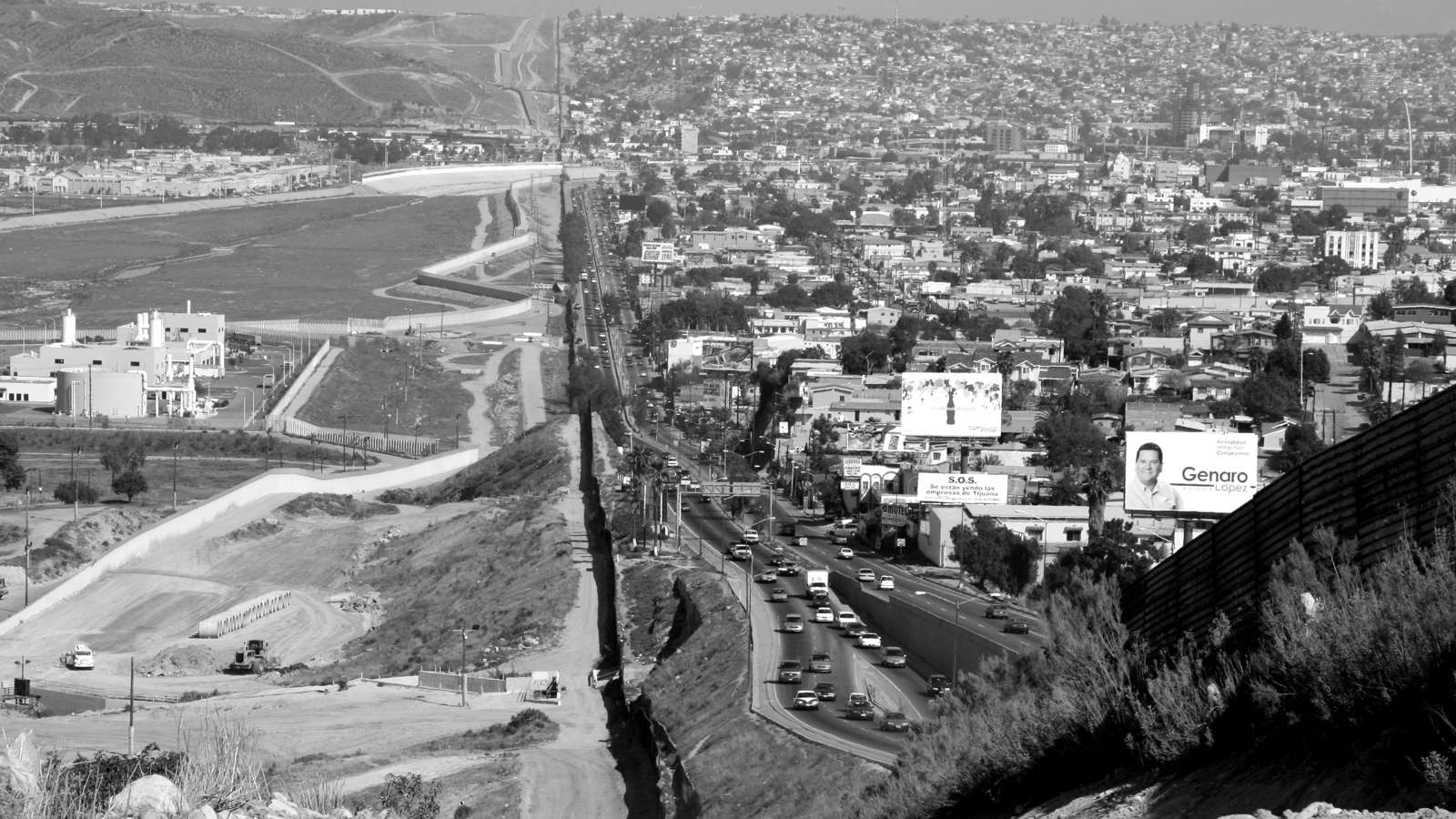
The United States has long found itself at odds with powerful transnational drug cartels, whose influence and impact often extend far beyond narcotics trafficking alone. In fact, some of the most prominent cartels operate as de facto powers in parts of Latin America: they frequently contribute to unstable and corrupt governments while encouraging cycles of violence that spill across borders. To combat the growing influence of drug cartels, the United States recently introduced a significant pivot in its approach towards international organized crime. President Trump’s January 2025 executive order designated cartels as armed terrorist threats; similarly, in a recent August 2025 directive, Trump mandated that the U.S. military target Mexican drug cartels without new congressional authorization. This decision signals a shift in governmental perception of cartel activity: rather than being treated as mere illicit markets, they are now considered to be militarized threats whose disruption is a matter of national and hemispheric security. Accordingly, the scope of the American response breaches past law enforcement into the realm of counterterrorism.
Legal and Diplomatic Pushback
This change has stirred deep legal and diplomatic concerns among many experts. Some argue that U.S. military operations on foreign soil without congressional approval or consent from the host nation would jointly violate U.S. law and dominant international standards such as the United Nations Charter. By designating cartels as Foreign Terrorist Organizations (FTOs), the administration effectively created new legal levers (such as sanctions and asset freezes). Regardless, those abilities do not automatically justify kinetic military action. Herein lies the central issue; the administration’s maneuvering tests the traditional definitions of terrorism and may thus set precedent that could expand executive authority in unknown ways.
The diplomatic stakes are equally substantial. Mexican President Claudia Sheinbaum has firmly rejected any notion of U.S. invasion and defended Mexican sovereignty even as the government cooperates with American law enforcement and extradition efforts. By even positioning military action as a possibility, the U.S. risks falling prey to a classic paradox in counterinsurgency and countercrime operations: inflaming a perception of coercion from its longtime ally Mexico could consequently obstruct collaborative anti-cartel efforts and lead to rising anti-American sentiment.
Cooperation via Extradition: A Tactical Alternative
Mexico’s extradition of 26 high-profile cartel leaders extradition of 26 high-profile cartel leaders to U.S. custody is a sign that traditional diplomacy may achieve what more militaristic strategies have not. At the same time, however, here we see the selective efficacy of such hard-power tactics - while the executive leader can project strength, he or she cannot disable entire systems such as that of the international cartel network without sustainable cooperation and reliable sharing of intelligence. Merely labeling cartels as terrorist organizations does not fundamentally remedy the flaws of the socioeconomic ecosystems that sustain them.
The impotent nature of simply categorizing cartel activity as terrorism in turn raises a deeper question: does militarization obscure the foundational bedrock of the issue? Analysts argue that reliance on high-profile raids and FTO designations may be a case of treating symptoms rather than causes. In this event, violence, corruption, and the root demand for narcotics continue to exist. These factors leave communities simultaneously vulnerable to cartel retaliation and collateral harm from American intervention.
Domestic and Commercial Repercussions
Domestically, the FTO designation introduces a sort of legal minefield. Any business (even those indirectly interacting with supply chains monopolized or controlled entirely by cartels) could face serious criminal liability or sanctions as a result of the classification. The strategy therefore has social implications far beyond Mexico - communities dependent on remittances, trade, cross-border employment, and similar practices will likely face economic disruption, which, of course, carries its own domestic ripple effects. Critics such as Senator Maggie Hassan (D-NH) further note that recent cuts to U.S. drug treatment and rehabilitation funding may further intensify demand-side pressure and the availability of rehabilitation or care for those struggling with addiction. In this situation militarized enforcement may, counterintuitively, strengthen rather than weaken cartel influence.
Effectiveness and Regional Stability
Historical experiences warn us that hard-power interventions often splinter criminal networks into smaller but more violent factions. Without accompanying social initiatives - such as youth workforce development or job programs that have been found to significantly lower violent arrests - and community engagement, this type of aggressive action carries a severe risk of destabilizing local governments and, more insidiously, reducing civilian trust in our governing institutions.
A New Chapter in the War on Drugs
At the end, however, Trump’s strategy may be the hallmark of a change in narrative power rather than a simple evolution of counter-cartel policy: the U.S. executive asserts itself as decisive and subsequently projects strength to domestic and international audiences alike. Whether this projection results in durable disruption of organized crime syndicates is another matter. Nonetheless, by elevating cartels to terrorist status, the administration has taken steps to increase executive authority and raise the stakes of regional diplomacy. The long-run effects of Trump’s decision will rely upon how the United States chooses to weight legality, diplomacy, civil liberties, social responsibility, and ethics.