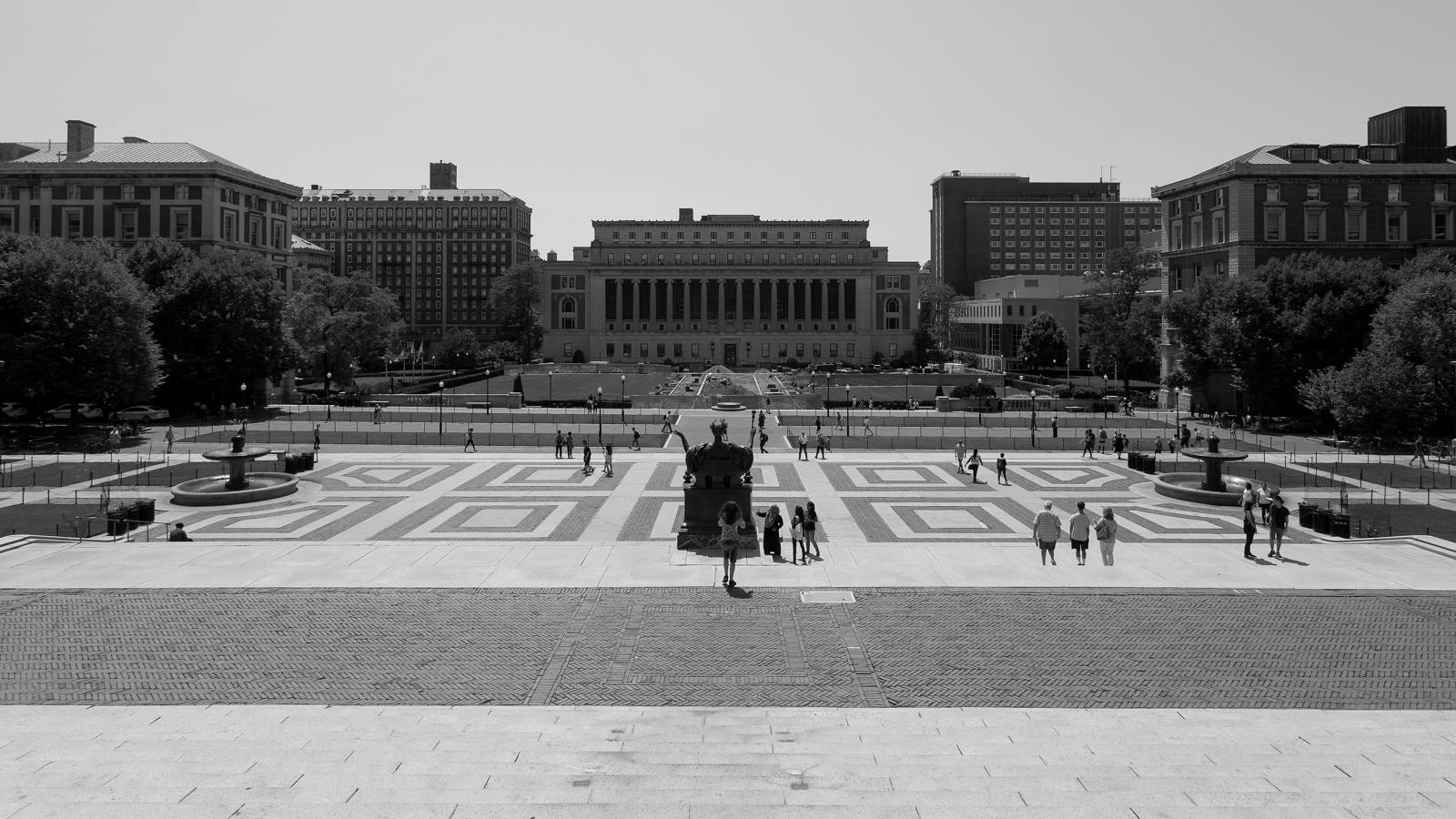
On May 7th, 2025, pro-Palestinian protestors occupied Columbia University’s Butler Library. This protest took place on one of the busiest days of the year, when many students were studying for final exams. The Butler Library demonstration garnered national coverage, with NYPD officers in riot gear arriving on campus and arresting 78 students. Columbia University has taken action against many students involved in the pro-Palestinian demonstration, including suspending, expelling, and revoking the degrees of over 70 students.
A Fiery History
Historically, Columbia University has long been known as a hub for student activism and has had a series of protests that have influenced national conversations. In 1968, Columbia students staged a historic protest against the university’s ties to military research and its plan to build a segregated gymnasium in Harlem. Students had occupied Hamilton Hall and Low Library, which led to one of the largest and most intense student uprisings in American university history. These protests drew thousands of participants and national media coverage, along with violent clashes with police that led to over 700 arrests.
In 1985, Columbia University once again found itself at the heart of many student protests. This time, students blockaded Hamilton Hall for 3 weeks and demanded that the university divest from companies that advanced apartheid in South Africa. As a result of this protest, Columbia decided to divest the university’s investment in corporations connected to apartheid.
Protests regarding the Israel-Palestine conflict have been rampant at Columbia for the last two years. In the wake of the October 2023 escalation in Gaza, which saw a sharp rise in civilian casualties, Columbia students began organizing frequent and highly visible protests. These protests included rallies, die-ins, classroom walkouts, petition campaigns, and pro-Palestinian encampments; many of these demonstrations demanded that the university divest from companies allegedly complicit in Israeli military operations, such as arms manufacturers and tech surveillance firms.
These actions intensified in the spring of 2024 and again in early 2025, as the conflict continued and humanitarian concerns grew. Students set up “liberated zones” and solidarity encampments on the South Lawn of campus, and occupied campus buildings, such as Hamilton Hall and Butler Library.
Columbia Under Fire
Columbia’s handling of its pro-Palestinian protests has drawn negative attention from the Trump administration. After only one month Trump was sworn into his office, the administration froze $400 million in federal funding to Columbia over allegations of antisemitism and failing to protect Jewish students. Trump himself described Columbia as “a breeding ground for antisemitism and radicalism”, and claimed that “universities like Columbia are failing to protect Jewish students and must be held accountable.”
According to a letter from Claire Shipman on July 23rd, the acting President of Columbia University, Columbia agreed to pay a $200 million settlement to resolve the federal investigation and gain back most of its frozen funding. In exchange for the return of the funding and research grants, Columbia is required to enact a series of reforms, including restricting DEI programing, banning face coverings during demonstrations on campus, adopting the IHRA definition of Antisemitism to university policy, mandating faculty oversight for Middle East Studies courses, and more.
What happened with Butler?
While Columbia’s administration has historically taken disciplinary action against students for disruptive protests, the measures were typically limited to suspensions or probation. However, according to Columbia Daily Spectator, one of Columbia’s student newspapers, around 80 percent of students involved in the Butler Library Protest received mult-year suspensions or expulsions. The majority of students involved received two-year suspensions.
Additionally, Columbia and Barnard issued interim suspensions to 4 student journalists who covered the Butler Library protest before the NYPD entered campus, which have all been reversed or lifted.
The Student Response
The recent disciplinary hearings have sparked a variety of responses from Columbia’s student body, but mostly backlash. Many students, faculty members, and activist groups have condemned Columbia’s response as excessive and politically motivated, arguing that it sets a dangerous precedent for punishing protest.