As of mid-August 2025, President Trump’s trade policies remain largely protectionist, with tariffs between 10% and 41% across nearly 70 nations. First announced on April 2, 2025, these measures were billed as “liberation,” targeting countries deemed to be “cheating” the United States in international markets.
While tariffs appear straightforward—protecting domestic jobs and industries—the modern global economy complicates this picture. This article examines why the theoretical appeal of federal tariffs often clashes with real-world implementation, leading to unintended outcomes.
In theory, trade barriers bolster domestic competitiveness by raising import prices, reducing foreign firms’ ability to undercut domestic producers. This shields local industries and creates revenue for investment, innovation, and economies of scale.
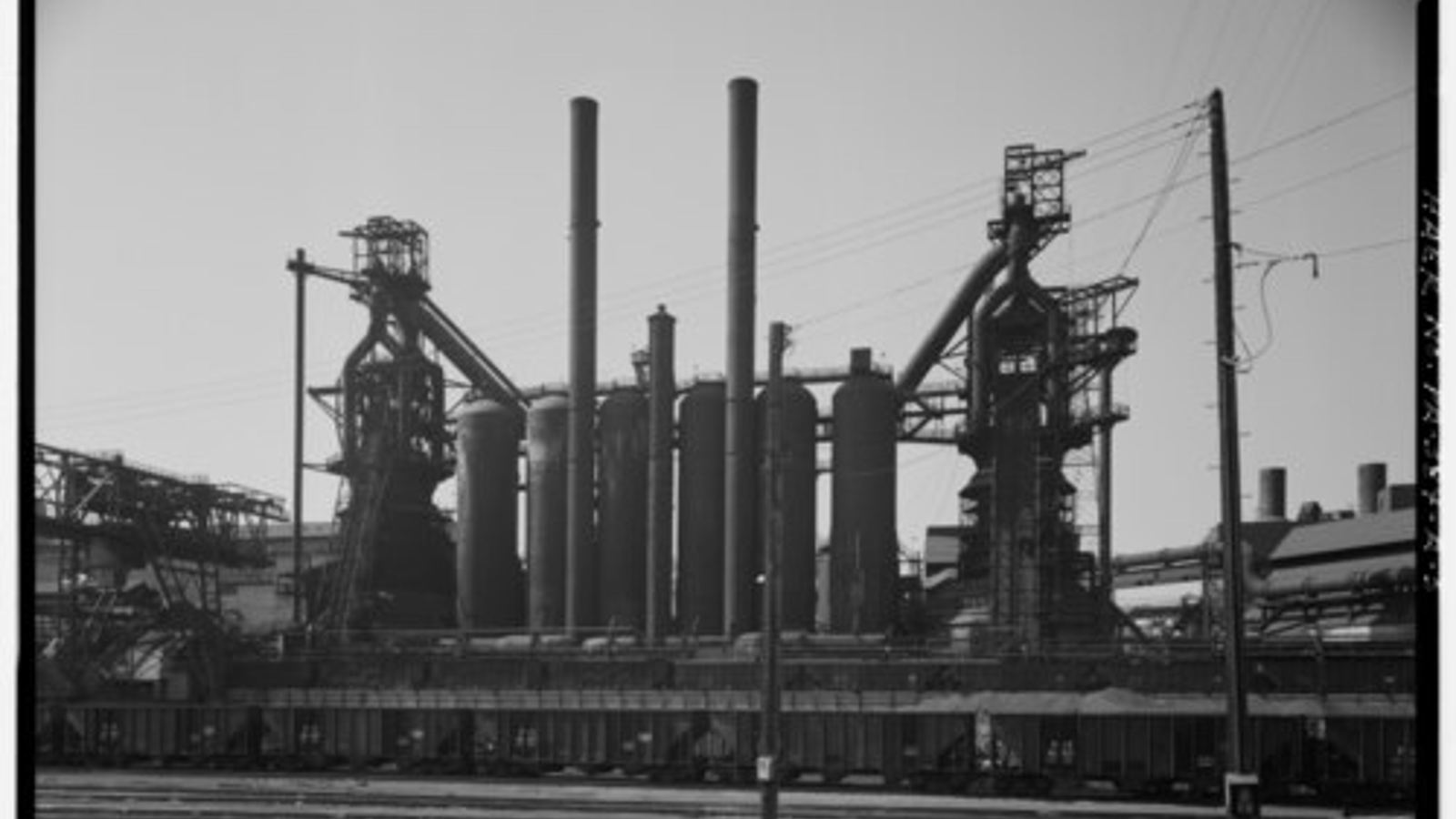
Historical examples, such as the 19th-century U.S. steel industry, illustrate this. Duties on British steel raised import costs from $31 to $59 per ton, spurring reinvestment. By 1897, U.S. steel prices fell to $19 per ton, undercutting Britain. Today, the U.S. ranks as the fourth-largest steel producer globally. Much of the United State’s steel dominance can be accredited to federal tariffs. Yet the conditions that made tariffs effective in the 1800s, simpler supply chains and slower technological change, are absent in today’s economy.
In the modern WTO-governed world, retaliatory tariffs are common. Major tariff hikes often trigger tit-for-tat retaliation. When the U.S. levied duties on China in April 2025, Beijing countered with a 34% tariff; Trump responded with 104%, prompting China to hit American goods with 84%. Likewise, when the U.S. announced 25% tariffs on Canada and Mexico, both countries signalled retribution. Moreover, reciprocal tariffs are rarely mirror-image responses; instead, they target sensitive sectors.
The 2018 U.S.-China trade war shows how this plays out. The U.S. targeted steel, aluminum, and machinery. China struck back at agriculture, imposing tariffs on soybeans, corn, wheat, poultry, and beef. Before then, China was the largest importer of U.S. soybeans. After the tariffs, Chinese buyers shifted to Brazil, collapsing the U.S. export market and leading to global market share reallocation.
The nuances surrounding protectionist policies extend beyond retaliatory tariffs. Supply chain complexity further weakens tariff logic. Most industries rely heavily on imported components. According to Orient, approximately 70–80% of U.S. manufactured products use foreign inputs, and domestic supply cannot meet quality or scale requirements. Even though prices are raised, firms continue importing critical parts due to meticulous quality demands. In semiconductors, for instance, the U.S. produces only 13% of global output while over 60% of materials are imported. Tariffs on such inputs raise costs but cannot be avoided, squeezing margins and hurting competitiveness.
Nor can tariffs close technological gaps overnight. Unlike the 19th century, modern industries require decades of R&D, specialized expertise, and infrastructure. It takes more than a few boiler plates and furnaces to catch up to the high barriers to entry. Protectionism cannot substitute for investment in innovation.
Moreover, tariffs can dampen business confidence. Policy uncertainty discourages long-term investment: according to the Atlanta Fed, 40% of executives plan to scale back hiring and 45% to reduce capital spending. Sheltered firms may also lose incentive to innovate, slowing R&D and weakening long-term competitiveness.
Finally, from a macroeconomics perspective, participants in the global market play towards their comparative advantage and free trade allows countries to mutually benefit from each other’s specialization. Tariffs hinder this function, distorting allocative efficiency and leading to losses in collective welfare; the WTO estimates a 1% shrink in global trade volume. This demonstrates that tariffs lead to an economically irrational outcome that harms not just the American economy; its adverse effects extend to a global scale.
In sum, tariffs remain a powerful political tool, but their economic payoff is uncertain. History shows they once fueled growth, but in today’s globalized economy, they are more likely to raise costs, invite retaliation, and stifle innovation. At best, they buy time; at worst, they undercut the very industries they aim to protect.