Trouble on the Horizon
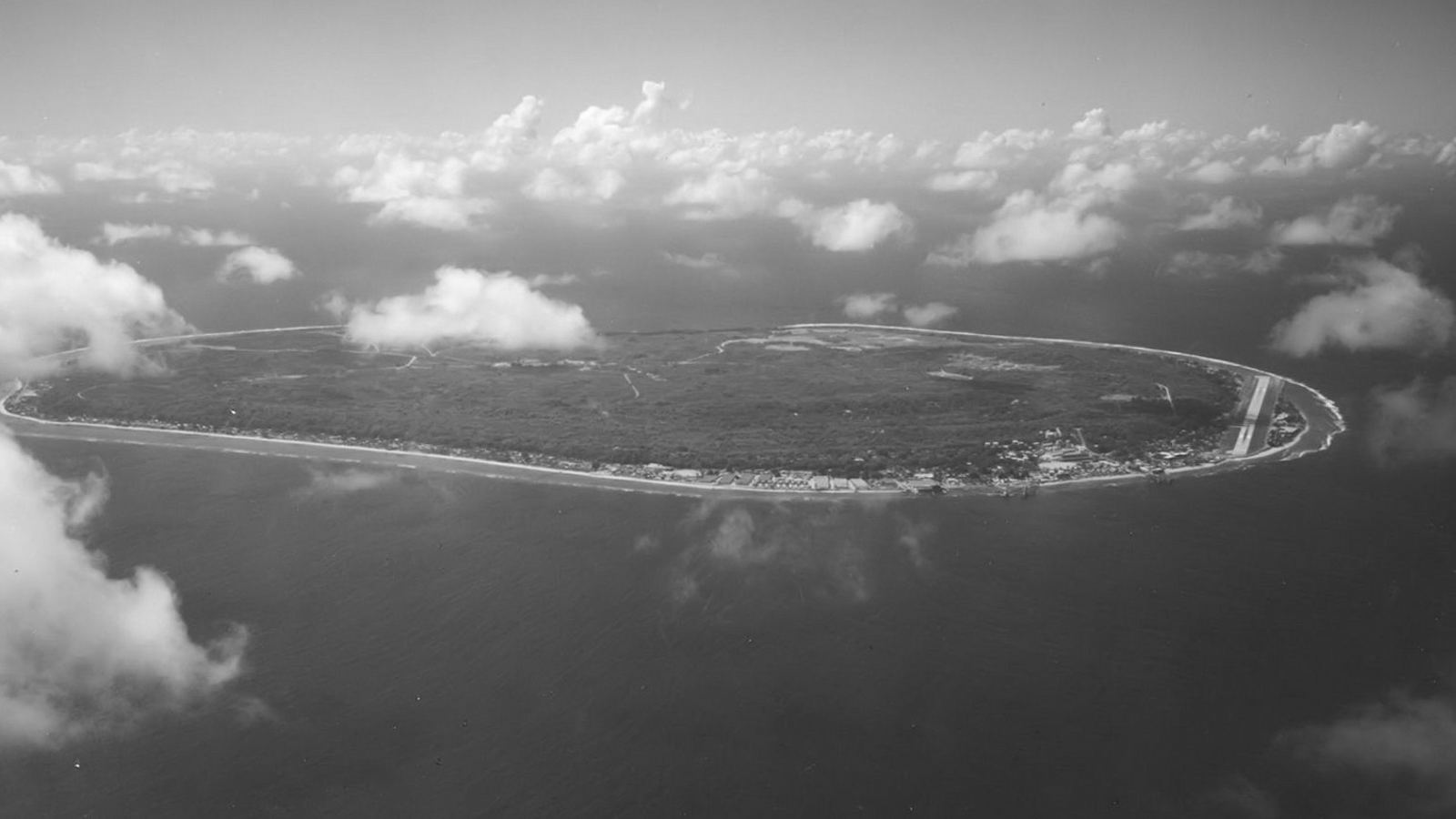
The waves crashing on the shores of the Republic of Nauru are now cause for concern. Worries about tumultuous high tides have been replaced with a new state of urgency: tides are rising, fast. On average, the island’s sea levels have increased an average of 5 millimeters annually, almost double the global average of 2.8-3.6 millimeters. Since 1993, Nauru's sea levels have risen by 17 centimeters, according to the NASA Sea Level Change Team. Over the next 30 years, levels are predicted to rise another 19 centimeters.
Sea level changes of this magnitude have already fundamentally changed life on Nauru. The nation of 12,500 people and 21 square kilometers has infrastructure that is mostly on its coasts, where most residents live. In the last decade, 74% of residents have experienced one or more environmental changes, with 61% percent having experienced droughts. Nauru has no streams or groundwater. With rising sea levels, fresh water is more likely to be contaminated, creating more challenging conditions in an already difficult situation.
Each of these developments and concerns has led 35% of families in Nauru to say they would migrate should climate change worsen conditions on the island. To combat these worsening conditions, the government of Nauru has created the Nauru Economic and Climate Resilience Citizenship Program: a program offering Nauru citizenship at the price of $105,000 for a single participant.
A “New” Strategy for Climate Action
Already, the new citizenship-by-investment (CBI) program is gaining traction. The program head, Edward Clark, said a “relatively well-known” German family had successfully received Nauru passports, at the cost of $250,000, alongside 20 other applicants currently in processing. With the first phase of Nauru’s climate response projected to cost at least $60 million, the government hopes the Nauru Economic and Climate Resilience Citizenship Program will be able to fund this “Higher Ground Initiative,” which aims to relocate 90% of Nauru’s population to higher ground as sea levels rise.
The government expects the CBI program to make $5.6 million in the first year, and gradually increase towards $42 million a year. But these kinds of strategies aren’t new. The Caribbean island nation of Dominica has been selling citizenship since 1993, using proceeds to meet its goal of climate resilience by 2030.
But these programs are not without their controversies. Similar golden passport programs in Europe have already been banned due to sanctioned individuals circumventing travel bans with these passports. While that risk remains with Nauru’s politically neutral passport, the U.S. withdrawal from the Paris Climate Agreement has signalled that states disproportionately affected by climate change will likely not be able to rely on U.S. funding. Consequently, the Nauru Economic and Climate Resilience Citizenship Program endeavors to fund Nauru’s climate action programs unilaterally, without direct U.S. assistance.
Differences Across the Ocean
Nauru’s CBI announcement comes on the heels of the neighboring nation of Tuvalu announcing that it would be partnering with Australia to offer a climate change visa that one in three of Tuvalu’s 10,643 citizens have already applied for.
The two nations’ approaches to climate action could not be in more stark contrast. While Nauru plans to fund climate action through CBI, Tuvalu plans to preserve itself as a digital nation in response to rising sea levels on the island. Should conditions worsen to the point of extremes, Tuvalu and its traditions will be preserved online.
These vastly different strategies are emblematic of the variety of approaches Pacific island nations are taking towards rising seas crashing upon their shores. For all states, though, time is of the essence. Their very island nature puts them at the forefront of worsening changes beyond sea level: freshwater contamination that could lead to drought, salinized and eroded soil, and the loss of entire islands. But only time will tell if the Nauru Economic and Climate Resilience Citizenship Program can provide the necessary funds for Nauru’s climate action to persevere despite the rising seas.