The Colorado River is drying up, and it’s not just the riverbed that’s cracking. What’s really showing strain is the way we manage and share the natural resources that keep life going.
The long-standing tug-of-war between the federal government and western states over this river isn’t just a regional dispute anymore. It’s turning into a preview of the messy, high-stakes politics we’re going to see more of as climate change gets worse.
This river, once powerful enough to carve out the Grand Canyon, now struggles to support the 40 million people who rely on it. That includes seven U.S. states and parts of Mexico. The demands are staggering: drinking water, agriculture, hydroelectric power, tribal rights, city growth… you name it. And yet, the river’s flow keeps shrinking year after year.
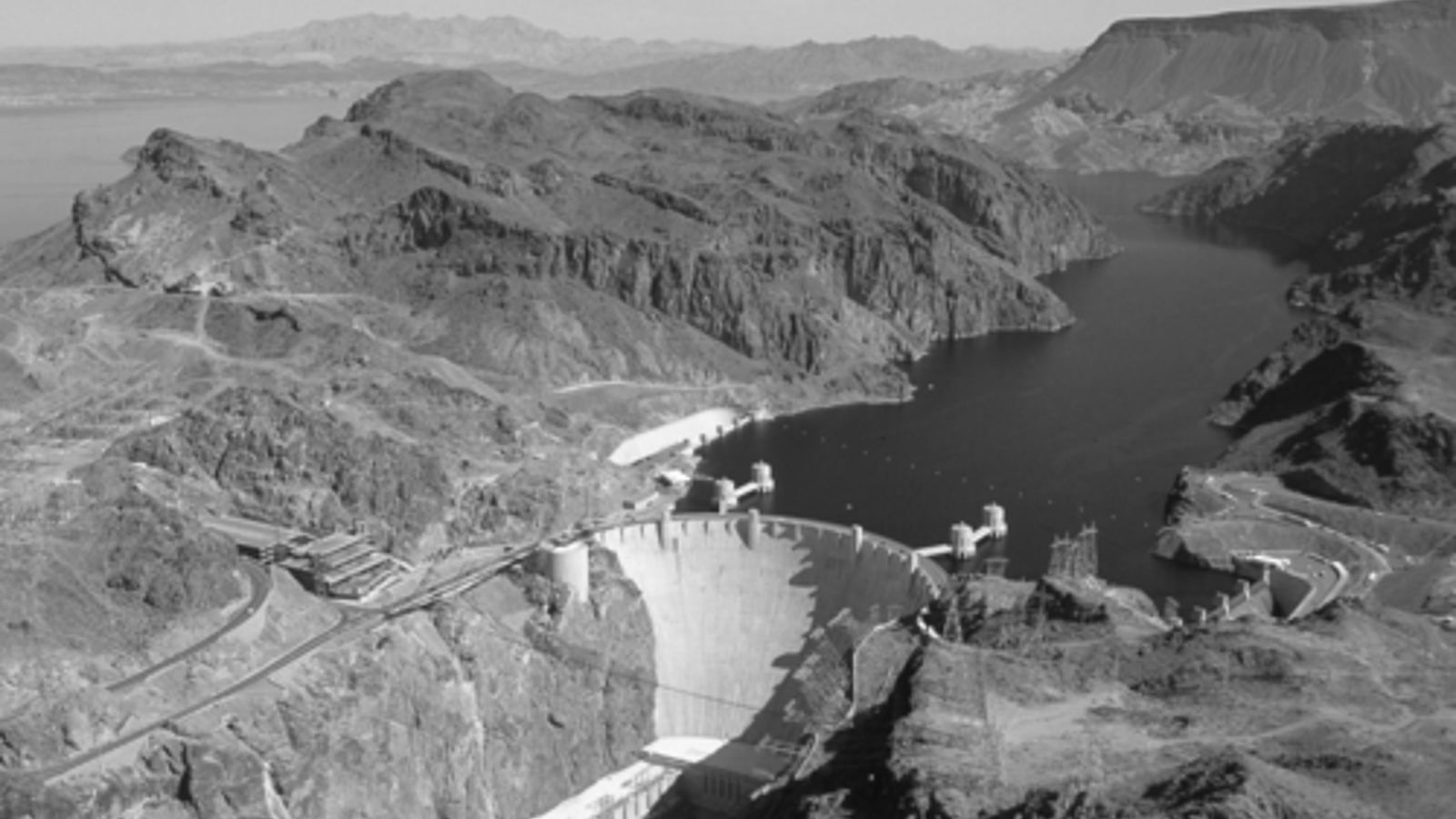
When Lake Mead and Lake Powell, huge reservoirs built to store the river’s water, dropped to record lows, alarm bells didn’t just ring, they screamed. In 2021, the federal government announced the first-ever Tier 1 water shortage. That triggered water cuts, mostly to Arizona. It wasn’t just a technical call, it was a red flag waving over outdated water deals that were no longer working.
The seven basin states, Colorado, Wyoming, Utah, New Mexico, Arizona, Nevada, and California, have spent years trying and mostly failing to agree on how to use less water. Each one has its own mix of needs, politics, economies, and ecosystems. What works for Las Vegas doesn’t work for Southern California farms. So when Washington started urging stronger conservation and floated the idea of mandatory cuts, some states bristled. Some cried federal overreach. Others said the feds weren’t doing enough.
Meanwhile, the people living through all this, farmers, Indigenous communities, city dwellers, just want a future that isn’t bone dry. These state-federal tensions aren’t exactly new. But the stakes are higher now.
Climate change is accelerating. Water is vanishing faster. And that means what’s happening on the Colorado isn’t just a local fight, it’s a warning shot. Other regions will face the same question soon: when resources run low, who gets to decide what happens next? Local governments? The federal government? Courts? Voters? The push and pull we’re seeing now are likely just the beginning of a much bigger national conversation.
Or just maybe, arguments.
Part of the challenge is, no one is the obvious bad guy here. California has old water rights, which protect its agriculture. Arizona’s invested a ton of money into conservation but still ends up with the biggest cuts. And tribal nations? They often have legal water rights that were either ignored or underfunded for years. That’s finally starting to change, but it’s been slow.
As for the federal government, it’s a tricky position. They’re trying to referee a fight over a river that keeps shrinking, and every choice they make ticks someone off.
The hard truth is, it’s easier to share when there’s plenty to go around. Now that the river can’t provide what it once did, trust is harder to come by, and compromise is even tougher.
But the need for cooperation is bigger than ever.
Another issue is the law itself. The Colorado River Compact, signed way back in 1922, divided the river based on unusually high flow estimates. Today’s flow is down at least 20 percent, but we’re still clinging to that outdated math. Updating those agreements is tough.
But pretending they still work? That’s worse.
Still, not all hope is lost. In the past few years, despite the friction, states have managed to hammer out some short-term deals. Farmers have left fields fallow. Cities are investing in conservation, water recycling, and even desalination. Tribes are stepping into long-overdue leadership roles. These aren’t permanent solutions, but they show what’s possible when people show up, listen, and negotiate in good faith.
In the end, climate politics probably won’t be solved in courtrooms or with one-size-fits-all policies from D.C. They'll be worked out across kitchen tables, community meetings, and statehouse hallways by people who realize that surviving together means giving up a little, too.
The Colorado River is drying up. But the choices we make today, who we listen to, how we negotiate, and whether we act, could shape the future of rivers, cities, and communities all over the country.
The path ahead isn’t easy. But it’s still there, if we’re willing to forge it together and wade deep into the water.