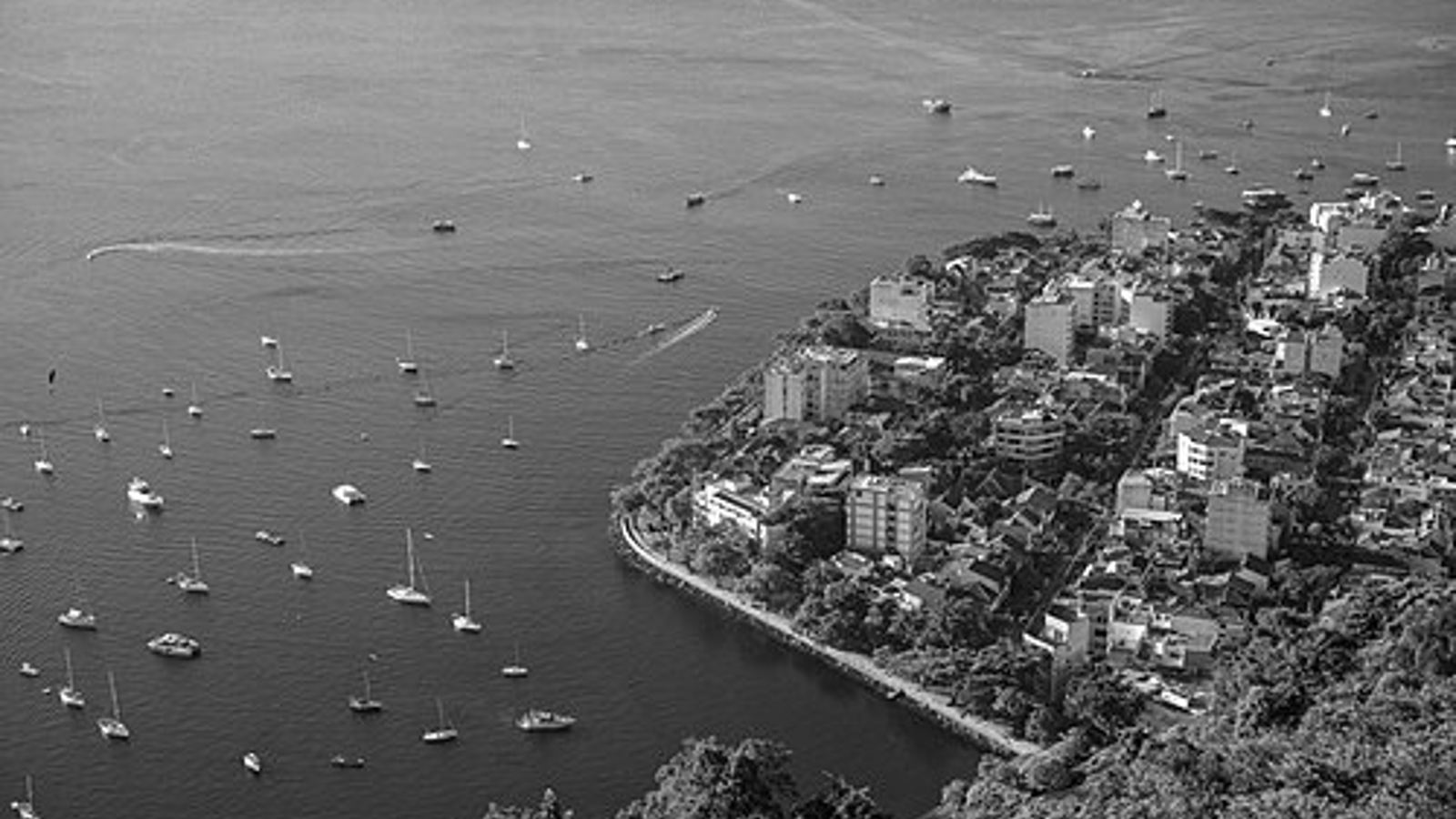
A First for Rio de Janeiro
Rio de Janeiro is, as always, brimming with life. But today’s liveliness holds something new: the inauguration of Rio Climate Action Week (RCAW). For the first time, Rio de Janeiro is hosting an event supporting COP30, ahead of its November commencement in the Brazilian city of Belém. Modeled after London Climate Action Week, Rio Climate Action Week is the latest action week following London itself, and other cities like Bangkok, Dublin, and Shanghai. RCAW is also a partnership with the office of the Mayor of Rio de Janeiro, aiming to bring awareness of the city’s role in global climate action over the next seven days.
The main aim of the event is to showcase “mutirão,” or collective effort, in the wake of climate change. RCAW aims to demonstrate that both top-down and bottom-up strategies are necessary to mitigate climate change and its effects on the citizens of the city.
Rio de Janeiro itself has been seeing worsening climate changes over the past decade. As a coastal city, changing rainfall patterns are fundamentally changing the way the city operates. More intense rainfall has increased flooding and landslides in vulnerable, low-income hillside communities. Yet, the city has also experienced some of its worst heatwaves in years in February this year, reaching a record high of 44 degrees Celsius. RCAW arrives on the heels of these worsening problems alongside coastal erosion, seeking to inspire tangible solutions that will support the COP30 conference in November.
A Hub for Action
RCAW 2025 plans to host 10 physical Hubs of climate action in the city, alongside partnerships with local, national, and international partners who are key stakeholders in climate change mitigation. The 10 Hubs have each partnered with a physical establishment in Brazil, based on the focus of each one.
For example, the Culture & Fashion Hub is to be hosted at the Museum of Art in Rio, where attendees can discuss the role of cultural norms and the impact of fashion in how the average citizen can mitigate climate change. The Geopolitics, Climate Policy & International Relations Hub hub at CEBRI will host debates and workshops with representatives from both the public and private sectors, bridging gaps between experts and the general public. It also aims to provide a collective framework towards international action. Each hub moves key pieces of the international picture of climate action forward. In addition to the Culture & Fashion and Geopolitics Hubs, the remaining Hubs (Community, Finance, Governance, Oceans & Water, Private Sector, Risk, Resilience and Insurance, and SME) will tackle communal action in each of their focuses, leveraging governance, collective movement, and partnerships in the march towards a secure and greener future for life on Earth.
The RCAW ethos reflects that goal. The week has committed to be reality-based, with low barriers to entry, and collaborative and inclusive throughout its duration. The organizers have also stated they welcome debate within the bounds of broader climate action, creating a space of critical thought and informed solutions.
A New Beginning
Slated to begin with a special service in front of the Christ the Redeemer statue, RCAW is emblematic of Rio de Janeiro’s strong movement towards sustainable solutions. The state of Brazil relies mainly on hydropower for its electricity, and plans to be a carbon neutral city by 2050. The city is prioritizing providing spaces for citizens to participate, as its partnership with RCAW demonstrates. It also prioritizes alignment between institutions, the private sector, and the public, another key value demonstrated through RCAW’s 10 Hubs and partnerships, another step towards a better tomorrow.
RCAW will continue through the 29th of August. During its duration, events will be held all over Rio de Janeiro. Main events will start on Copacabana Beach, the Lagoa, the Tijuca National Park, and the Jardim Botanico. The Museum of Tomorrow and the aforementioned Museum of Art will hold later events alongside AquaRio, the CCBB, and the Tiradentes Palace. Each event will support the six facets of COP30’s Action Agenda: transitioning energy, stewarding the environment, transforming food systems, building urban and infrastructural resilience, facilitating human development, and leveraging accelerators for action.
With new action on the horizon, the city could not be more alive. Each person, group, and institution in the city stands in a place to contribute to an international discussion. Now, only time will tell how each of them will uplift global climate action.