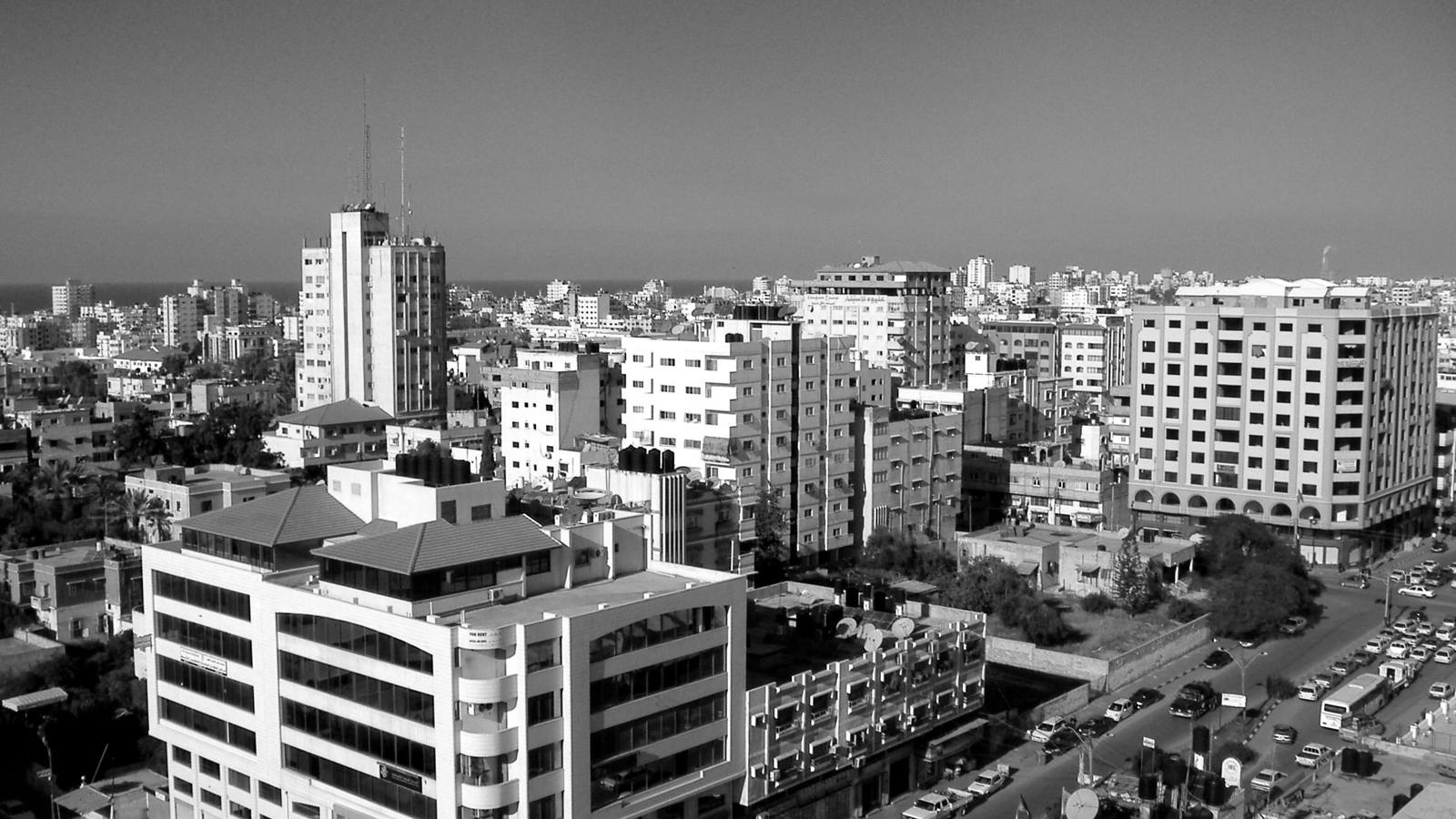
Israel’s military carried out an airstrike late Sunday in Gaza City, killing Al Jazeera correspondent Anas Al-Sharif - a famous journalist reporting on the conflict- and several of his colleagues as they sheltered outside a hospital. Both the Israeli Defense Force (IDF) and Gaza health officials confirmed the strike, which targeted a tent used by journalists near the gates of Al-Shifa Hospital and left six reporters dead. Al Jazeera condemned the attack, which sparked global outrage and calls for accountability, as a “premeditated” assassination of its journalists and an attack on press freedom.
Out of the six total civilians killed in the strike, four were Al-Jazeera staff. The casualties, in addition to Al-Sharif, included correspondent Mohammed Qreiqeh and two Al Jazeera camera operators, along with two freelance media workers. Gaza hospital officials said two other people nearby were also killed, bringing the overall toll of the strike to eight.
Israel’s military quickly claimed responsibility and alleged that Al-Sharif, who was 28 at the time of his death, was not a legitimate journalist but rather a Hamas militant. In a statement, the army accused Al-Sharif of heading a Hamas “terror cell” and of organizing rocket attacks against Israel. It said it had undisclosed intelligence evidence supporting the claim, effectively asserting the strike was a lawful targeting of an enemy combatant. Israeli officials denied deliberately targeting journalists, insisting that any reporters killed in Gaza were Islamic militants who were operating as press workers to disguise their true role.
Al Jazeera and press freedom groups reject Israel’s justification. The Qatar-based network said Al-Sharif and his crew were simply doing their jobs as journalists and that Israel’s allegations of Hamas ties were unfounded. The Committee to Protect Journalists (CPJ) noted that Israel has a “pattern of labeling journalists as militants without providing credible evidence,” which raises serious doubts about its respect for press freedom. “Journalists are civilians and must never be targeted,” CPJ’s Middle East director Sara Qudah said, calling for those responsible to be held accountable. Media watchdogs point out that Israeli authorities had singled out Al-Sharif publicly weeks earlier, accusing him of links to Hamas in social media posts, and warn that such rhetoric appears aimed at discrediting and endangering journalists.
Observers call this the deadliest conflict for journalists in modern times. Almost 200 journalists and media workers have been killed since Israel began its offensive on Gaza in 2023, nearly all of them Palestinians. Sunday’s strike brings the number of Al Jazeera journalists killed during the conflict to 10 in total.
Al Jazeera Media Network has demanded justice, denouncing the strike as a deliberate attempt to silence coverage of Gaza. The network’s statement condemned “another blatant and premeditated attack on press freedom” and called the killing of Al-Sharif and his colleagues a “desperate attempt to silence the voices” reporting the truth on the ground. Al Jazeera urged the international community to take decisive measures to halt the targeting of journalists in Gaza and warned that Israel’s impunity in such attacks will only embolden further assaults on the press.
International media and human rights organizations echoed Al Jazeera’s alarm. Amnesty International condemned the killings as a war crime under international law. Reporters Without Borders said Israel had effectively acknowledged the murder of a journalist by admitting it targeted Al-Sharif, and the group warned that without strong global action, “we’re likely to witness more such extrajudicial murders” of media workers.
The United Nations also responded decisively. UN Secretary-General António Guterres, through a spokesperson, shared his appeal regarding of the killings, calling for an independent investigation. The UN’s Human Rights Office said the deliberate strike on journalists constituted a breach of international humanitarian law, urging Israel to respect and protect media personnel as obligated
Amid the outcry, grief and tributes have poured in. Coming in the hundred including fellow Al-Jazeera journalists, attended a funeral in Gaza City on August 11th. Al-Sharif had been a prominent voice reporting from the front lines of Gaza’s devastation. Just hours before his death, he posted on social media about the “nonstop Israeli bombardment in Gaza City. Now his killing, among his fellow colleagues, has intensified demands for accountability and for concrete steps to protect journalists in conflict zones. It may also represent a new phase in the war, one where Israel is more open and straightforward with the killing of civilian workers, further shifting its reputation on the world stage and its relationship with its Western allies.