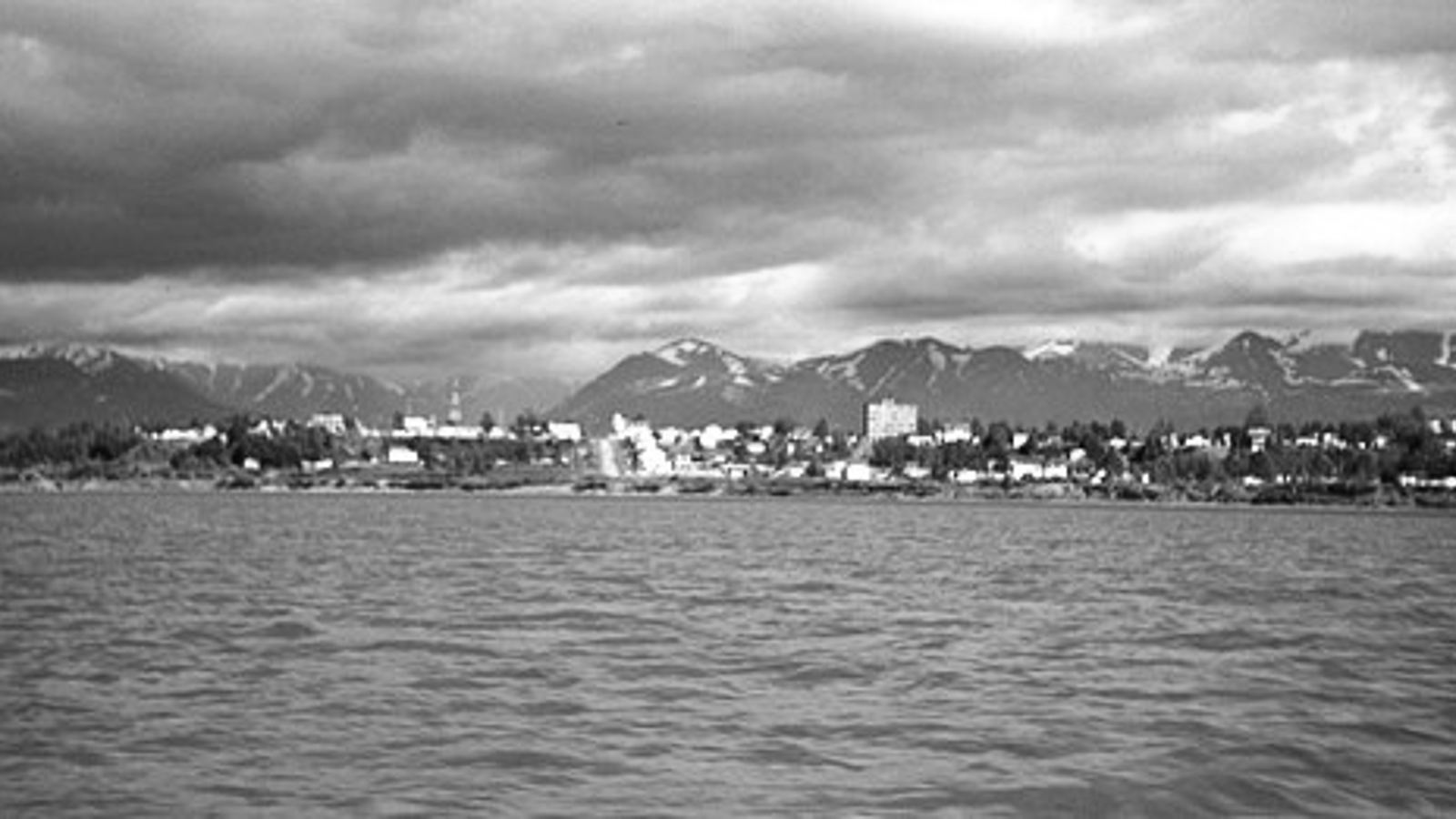
In August 2025, Presidents Trump and Putin met at Joint Base Elmendorf-Richardson in Anchorage, Alaska. This was a highly choreographed summit that underscored the strategic importance in the region. While the summit was originally framed around the context of Ukraine negotiations, the choice of Alaska signals a subtext of Arctic diplomacy. This highlights newfound possibilities for shipping routes and infrastructure innovation. The meeting had few participants from both sides and no substantive agreements reached, yet Putin’s post-summit statement about seeing “light at the end of the tunnel” suggested an intent to explore joint ventures in the Arctic. This event illustrates the delicate balance the United States must maintain: leveraging potential bilateral Arctic cooperation while safeguarding multilateral alliances. The Alaska summit thus serves as a representation of the tension between cooperation and competition in the High North, emphasizing how symbolic diplomacy can influence substantive policy debates over resource governance.
Energy Cooperation vs. Territorial Legitimacy
At the Alaska Summit, Putin hinted at a possible joint United States-Russia venture in Alaska and the Arctic. This was a signal that energy and resource development was a quiet theme of the talks. The strategic draw is that the region holds almost 13% of the world’s undiscovered oil and 30% of untapped natural gas reserves. For the United States, such cooperation could unlock new opportunities for rare mineral extraction in the North – particularly as melting ice expands access. This reduces reliance on Middle Eastern energy and expands export markets to Asia. However, there are net harms: partnering with Russia may advance short term energy security goals but risks legitimizing Russia’s aggressive territorial claims under the 2021 UNCLOS, filing sovereignty over the Lomonosov Ridge (overlapping territory claimed by Canada and Denmark). This would also undermine United States influence in shaping Arctic rules. Domestically, it could further political divide and polarization due to energy developers pushing for access while environmental groups warn of ecological harm and sovereignty violations.
Bilateral Diplomacy and the Strain on NATO Unity
Holding the summit in Alaska, a symbolic United States Arctic outpost, highlighted the military dimension of Arctic affairs. Russia has expanded its Arctic bases, tested new weapon systems, and built nuclear icebreakers. NATO allies like Norway and Canada have called for stronger collective deterrence. By engaging Russia bilaterally at the summit, the US risked sending mixed signals to NATO allies: was Washington prioritizing bilateral pragmatism with Moscow over collective defense? Such optics could weaken NATO’s unity in the Arctic at a moment when military preparedness in the High North is increasingly tied to deterrence against Russia’s assertive posture. Therefore, these allies have pushed for a stronger NATO presence such as in the Trident Juncture and expanded controls in the GIUK Gap. Weak NATO cohesion in the Arctic could embolden both Russia and China to challenge freedom of navigation within international waters, undermining United States credibility as a security guarantor.
Power Politics
The Alaska Summit also underscored a tension in how the Arctic is governed. Traditionally, the Arctic Council and international legal frameworks like UNCLOS have been the reference for managing disputes and fostering cooperation. However, Trump and Putin’s dialogue suggested a preference for state to state bargaining, bypassing multilateral structures. For Russia, this reinforces its narrative of being an influential power in the Arctic. For the United States, it risks eroding credibility as a supporter of policy-based governance. The perspective of Alaska as a stage for power diplomacy reinforces a shift towards power politics in Arctic affairs, raising the question of whether cooperative resource deals will be anchored in laws or geopolitical bargaining. By sidelining institutions like the Arctic Council and UNCLOS, the United States and Russia have signaled that power politics may define the region’s future. The impact here is profound, with smaller Arctic states such as Finland and Sweden risking being marginalized from key decisions about resource development and shipping lanes. Most importantly, if Arctic boundaries are negotiated bilaterally rather than through global rules, zones such as the South China Sea may follow suit. The erosion of rules based governance would represent a long-term shift towards spheres of influence.