Who is RFK Jr?
Secretary of the U.S Department of Health and Human Services RFK Jr swore into his position on February 13th this year and since he started his term, RFK Jr has repeatedly promoted and spread misinformation, famously saying that “autism comes from vaccines” when in reality, it’s a genetically linked condition (HHS, 2025). Kennedy pushed harmful rhetoric on autism, saying that autism is a “chronic disease” and an “epidemic”, creating harmful stigma around the community and further marginalizing them (Middlemass, 2025). Besides this, Kennedy also promotes his other takes on ideas like the necessity of fluoride in water, linking it to problems like arthritis and thyroid disease (BBC, 2024). However, it is his anti-vaccine take that is particularly harmful and set to make its mark on society.
So What Really Are Vaccines and Why Are They so Important?
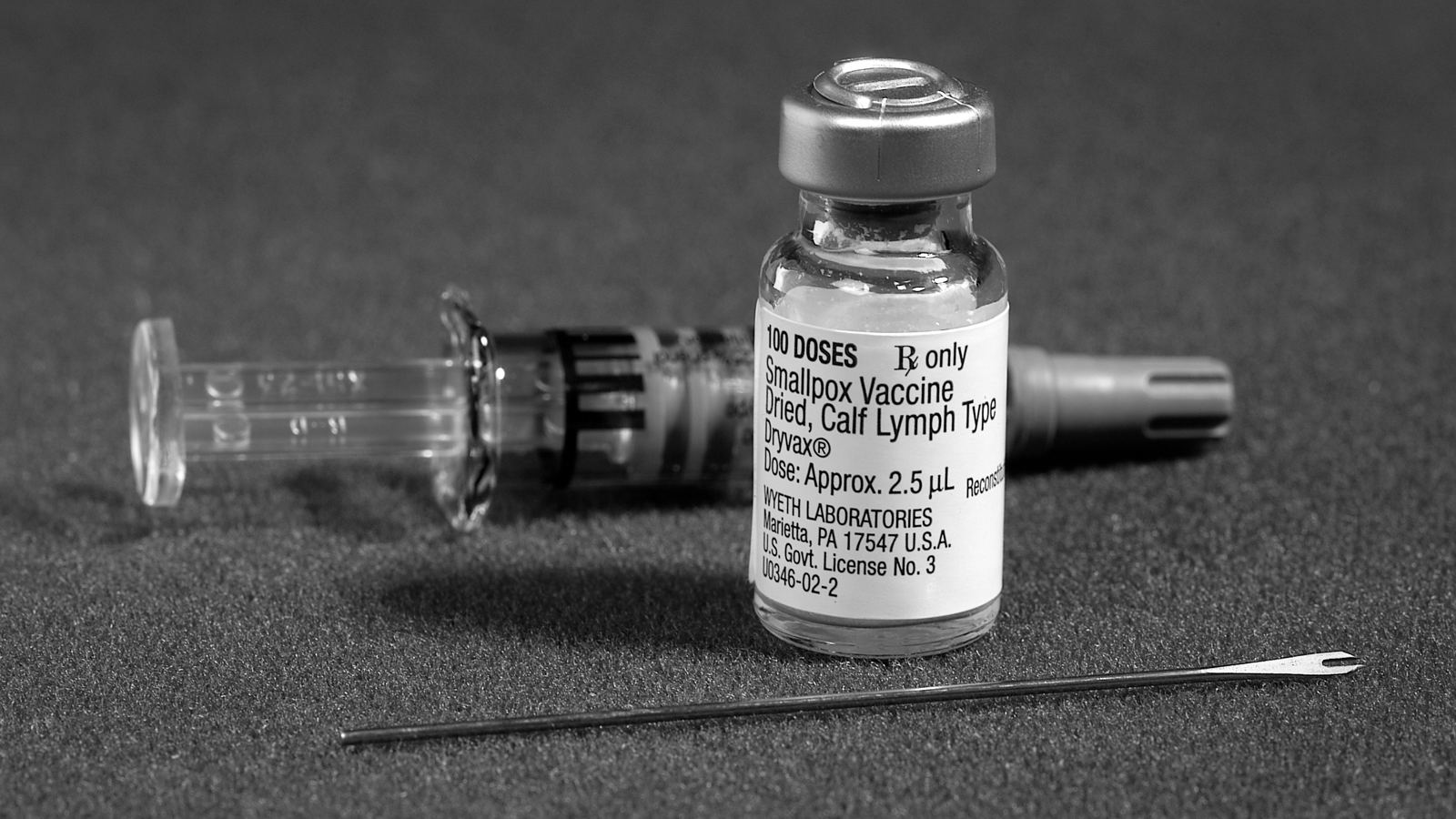
Vaccines are like the tutorial in a game before you face the boss. They contain a weakened strain of the virus so that the immune system can fight it and create the antibodies. Should the actual strain of the virus enter the body, these antibodies will attack the virus and get rid of it much faster. This means that the immune system will be able to act efficiently to stop results like permanent injury and death. Essentially, vaccines are a mechanism for prevention. They prevent things like Polio from killing millions of people worldwide or Measles from killing millions of children a day. Therefore, access to vaccines is imperative to the safety and health of our world (CDC, 2024). Yet, vaccines are getting more and more expensive and the trend of Kennedy’s actions right now are heading towards making vaccines completely inaccessible to the low income. Unfortunately, it is not just the prices that disproportionately affect marginalized groups. Kennedy is not just pulling funding, he is pulling life from minorities in the US.
What We’re Facing Today
Kennedy has been cutting funding from crucial research and institutions for a while now. Aside from the cuts to research that have been happening by the Trump Administration, $2.7 billion from National Institutes of Health and about 30% cuts to funds for cancer research, Kennedy has cut about $3 billion from the National Institutes of Health, one of the largest platforms for significant research in the US (Baldwin, 2025). Most recently, he’s also pulled $500 million in funding from vaccine research on viruses that affect the respiratory system, specifically vaccines that use mRNA technology (Seitz, 2025). In addition to this, Kennedy stated that no new research using mRNA technology would be permitted under the administration because of his skepticism surrounding the technology’s safety. It’s important to note that this concern is unfounded because mRNA technology has proven to be repeatedly successful and safe in its recent development. In fact, during the height of the Coronavirus spread, it was vaccines made using mRNA technology that helped slow down the pandemic (Bennet, 2025). Currently, researchers have been looking into mRNA technology and its uses for vaccines aimed at other viruses. Removing funding for such critical technology takes the US off the brink of innovation in making vaccines for rising viruses and future pandemics (Goldman, 2025). Instead of making it easier to fight viruses with vaccines, Kennedy is making it harder and this has drastic implications on minority communities.
Ethnic minorities in the US like African Americans and Hispanics have repeatedly shown patterns of health problems, diseases, and viruses affecting them at a disproportionately higher rate than other groups. This is especially true in viruses that affect the respiratory system. The Covid pandemic, for instance, caused higher mortality rates in Black and Hispanic communities than other ethnic groups. During the pandemic, a hospital found that 70.6% of its patients were Black, showing how the virus affected them more than any other ethnic majority. This pattern is not only present in Covid either; pulmonary diseases put Indigenous Americans on the ventilator for 137% more days than average (Blank, 2025). These communities have long been put at a disadvantage by policy, causing them to lose access to high paying jobs, lose access to quality education, and to face discrimination from society. To add onto this, it’s much more likely that minorities will face discrimination or be treated wrongly in the healthcare system than ethnic majorities. These conditions put together are a disastrous recipe for continued structural violence throughout history. Drawing back funding from research aiming to ease the effects of problems that affect minorities at higher rates only serves to perpetuate this violence. Without funding for mRNA technology that revolutionizes the way we make vaccines, minority communities will face the worst effects of the US vulnerability to disease and viruses. With rising prices due to lack of funding and the constant inequity that minorities face, Kennedy’s policy means that preventative healthcare is only going to be more inaccessible to the minorities that need it.