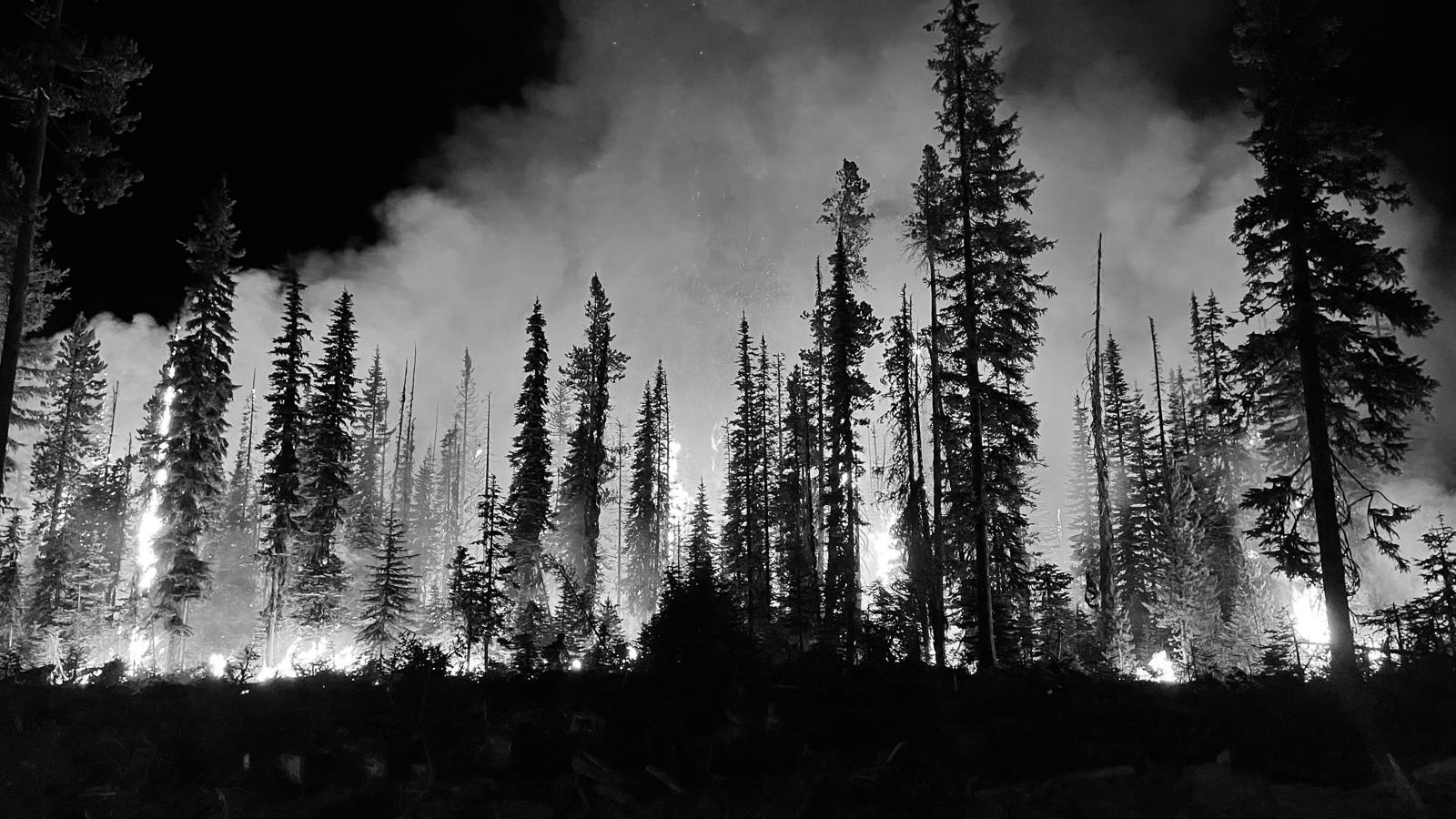
The magnitude of climate change continues to unfold, dominating news headlines worldwide. As the continuation of wildfires and the melting of the polar ice cap causes sea levels to rise, it becomes clear that these impacts are no longer distant threats but immediate challenges. Alongside the visible threats to our environment, a hidden crisis is developing—the growing mental health impact of climate change.
Understanding Climate Anxiety
What’s often referred to as “climate anxiety” reflects the emotional distress tied to the growing consequences of climate change on both the natural world and everyday life. As coverage of environmental disasters becomes more frequent, so does the sense of uncertainty and fear about the planet’s future. With world leaders slow to respond, it’s no surprise that many individuals are expressing concern about the perilous state of our planet. Unlike traditional anxiety disorders, climate anxiety comes from awareness of large-scale, long-term risks. A global study of around 10,000 participants across ten countries found that nearly 60% reported being “very or extremely” worried about climate change, and two-thirds said it affected their daily functioning. This is not merely individual fear but part of a collective psychological response to environmental uncertainty.
Who’s Most Affected and Why
Young people in particular are more susceptible to mental health issues due to climate change. In the United States, Gen Z and Millennials report experiencing more emotional distress related to climate change than older generations, with Latino adults reporting the highest levels of distress across all age groups. This mirrors global patterns, where communities that have been historically marginalized or are located in high-risk areas often face more natural disasters and have fewer resources to recover. Additionally, youth have grown up with constant widespread access to information through their education, social media feeds, and daily news. This constant exposure increases awareness but also emotional burden.
Trauma Linked to Climate Disasters
When a hurricane destroys a home or an unexpected wildfire forces evacuation, the mental consequences can be severe. Direct exposure to floods, fires, or hurricanes can leave a lasting mental impact. After the 2020 Australian wildfires, residents in affected regions experienced significantly increased rates of PTSD, depression, and anxiety, especially among those who lost their homes or faced emergency relocation. Extreme weather conditions led to elevated suicide rates in farming regions facing drought, specifically low-income areas. These experiences go beyond the initial damage and highlight the ongoing stress caused by environmental changes.
Emotional Fatigue and Civic Action
For some, constant exposure to climate-related threats can lead to emotional numbness or disengagement. On the other hand, others report a drive to take action. Individuals experiencing climate anxiety are notably more incentivized to take collective action, from protests to contacting officials. This contrast shows how emotional responses to climate change can shape civic behavior in powerful ways. While some may shut down due to overwhelm, others channel their anxiety into activism. When supported, climate distress can become a motivating force for social and political engagement.
Towards Integrated Solutions
Amid escalating environmental challenges, mental health providers are experimenting with new approaches to address climate distress. Some of these methods include group therapy focused on environmental grief and “green prescriptions,” encouraging time in nature. This approach is supported by a study from the Netherlands that found increased access to green spaces correlated with a measurable reduction in antidepressant use. Communities are incorporating mental health considerations into climate resilience strategies. This recognizes that the emotional impacts of the crisis are as critical as the environmental challenges presented. These efforts show that tackling climate change means caring for both the environment and people’s mental health. Supporting mental well-being along with environmental action helps communities become stronger and better prepared.
Looking Ahead
Acknowledging the emotional consequences of climate change is increasingly seen as a necessary step in addressing the issue as a whole. Including mental health in climate responses reflects the interconnected nature of challenges in the modern world and encourages more thoughtful, comprehensive solutions.